
Choosing a compact heater for a bedroom means balancing size, noise, safety, and heating power. The following table summarizes five small indoor heaters selected for bedroom use based on portability, heating method, and built‑in safety features.
| Product | Type / Power | Key Safety | Controls |
|---|---|---|---|
| Dreo Space Heater (Upgraded) | PTC Ceramic, 1500W | Tilt sensor, overheat protection, V0 material | Digital display, thermostat, remote, timer |
| Aikoper Space Heater | PTC Ceramic, 1500W | Thermostat control | Dial thermostat, 3 heat settings, fan mode |
| Lerat Mini Heater | PTC Ceramic, 500W | Overheat & tip‑over protection | One‑touch settings |
| ASNUG Mini Desk Heater | PTC Ceramic, compact | Overheat & tip‑over protection, flame retardant shell | Simple switch, quiet mode |
| WINHL Tower Heater | PTC Ceramic, 700/1000/1500W | Built‑in thermostat, safety protections | Remote, thermostat, oscillation, timer |
Content Navigation
Dreo Space Heater — Portable 1500W

This Dreo model uses an advanced PTC ceramic element paired with a heat funnel design to accelerate warm air delivery. The listed features emphasize fast heat, enhanced circulation that reaches farther than many small heaters, and a precise thermostat with 1°F increments from 41–95°F.
Safety features include a high‑accuracy tilt‑detection sensor, overheat protection, V0 flame‑retardant materials, and an ETL certification. Controls noted in the product description include a digital display, remote operation, multiple modes, and a 12‑hour timer for scheduled use. This unit is positioned for bedrooms where precise temperature control and safety features are priorities.
Aikoper Space Heater — 1500W Ceramic
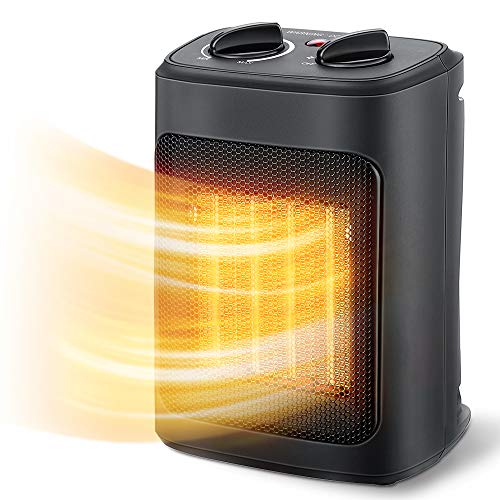
Aikoper’s small heater relies on PTC ceramic heating with a dedicated fan to speed warm‑up and distribute heat evenly. The features highlight three heat settings (low/medium/high) plus a fan‑only mode, allowing users to select heating intensity or ventilation without heat.
Call 888-896-7031 for Free Local HVAC Quotes – Compare and Save Today!
The unit has an adjustable thermostat dial that maintains the target temperature automatically. The product description stresses energy efficiency as a reason to heat only occupied rooms rather than a whole house, making this model suitable for apartments or single rooms where straightforward controls are preferred.
Lerat Mini Heater — 500W Personal

The Lerat model is a compact 500W PTC personal heater designed for desk or bedside use. Its small dimensions make it highly portable for personal zones such as office desks, dorm rooms, or camping setups where limited wattage is required.
Features include one‑touch temperature settings and rapid ceramic heating in under three seconds. Safety measures listed are overheat protection and tip‑over automatic shutoff, plus ABS flame‑retardant construction. This heater is targeted at users who need localized warmth near their feet or workspace without heating the whole room.
ASNUG Mini Desk Heater — Quiet 2s Heat

ASNUG advertises a 2 second warm‑up time using PTC ceramic elements and emphasizes a quiet operating mode suitable for bedrooms. The feature list highlights a silent mode designed to avoid disturbing sleep or focused work.
Call 888-896-7031 for Free Local HVAC Quotes – Compare and Save Today!
Safety components include an insulation shell of flame‑retardant material, automatic overheat and tip‑over protection, and an enhanced safety plug. Compact dimensions and impact‑resistant materials make this unit a candidate for bedside or small office placement when noise reduction and basic safety are key concerns.
WINHL Tower Heater — Oscillating 1500W

WINHL’s tower heater offers selectable power levels (700/1000/1500W), a built‑in thermostat, remote control, and 70° oscillation for wider coverage. The feature set positions it as a small room solution that can also function as a fan in warmer months.
The description notes fast heating via PTC ceramic tech and a high‑performance fan for dispersal. Smart thermostat control and timer functions are useful for bedrooms where timed operation and automated temperature regulation are desired.
Buying Guide For Small Bedroom Heaters
When selecting a small heater for a bedroom, focus on these key considerations to match unit capabilities with your room size and personal needs.
Heating Technology And Power
PTC ceramic heaters are common for bedrooms because they heat quickly, are compact, and are generally energy efficient. Power rating (watts) determines how much heat the unit can produce: 500–1000W suits personal or very small rooms, while 1500W is the common maximum for small to medium bedrooms in homes or apartments.
Room Size And Coverage
Estimate your bedroom’s square footage. Manufacturers often state coverage—verify whether stated coverage assumes proper insulation and closed windows. For personal comfort at a bedside or desk, a smaller 500–1000W unit may suffice. To raise ambient room temperature, consider a 1500W model.
Noise And Sleep Impact
Look for quiet or silent modes if you’re sensitive to sound while sleeping. Tower units with larger fans can be quieter at low speeds compared with small desk fans inside compact heaters. Check listed decibel claims where available and prefer models that advertise a low‑noise setting for bedrooms.
Safety Features
- Tip‑over protection (automatic shutoff) is essential for bedroom placement near bedding or furniture.
- Overheat protection prevents internal components from reaching unsafe temperatures.
- Look for flame‑retardant materials (V0 rating mentioned in some specs) and third‑party certifications like ETL or UL for added assurance.
Thermostat And Controls
Thermostat accuracy affects comfort and energy efficiency. Digital thermostats with small increments let you maintain a steady temperature. Manual dials are simpler but may fluctuate more. Remote control and timers add convenience, especially for bedroom use where you may adjust settings from bed.
Energy Use And Cost Considerations
Heaters draw measurable power. Lower wattage models use less electricity but provide less total heat. Consider options with eco or low modes and thermostats to cycle power and reduce energy use. For zonal heating—only the occupied bedroom—smaller units can be more economical than whole‑home heating.
Portability And Size
Compact heaters are easier to position and store. Mini desk heaters (500W) are ideal for direct personal warmth, while taller tower heaters improve airflow across a room. Choose based on whether you need targeted heat (desk/bedside) or ambient room warming.
Additional Features To Compare
- Oscillation: Help spread warm air across the room for more even heating.
- Timers: Enable scheduled heating—useful for warming a room before sleep or shutting off after a set period.
- Fan‑only mode: Useful year‑round for air circulation without heat.
- Remote control and digital display: Improve convenience and precise control from bed.
Safety Placement Tips
Place the heater on a stable, level surface away from flammable materials such as curtains or bedding. Maintain clear space around the heater as recommended by the manufacturer. Avoid plugging heaters into extension cords or overloaded power strips unless explicitly approved by the product documentation.
Comparison Perspectives
Compare units by these lenses:
- Personal Heat vs Room Heat: Mini 500W units (e.g., Lerat) for direct, personal warmth; 1500W PTC models (e.g., Dreo, WINHL) for ambient room heating.
- Control Precision: Digital thermostats and 1°F increments (some Dreo models) for precise comfort versus simple dial controls for straightforward operation.
- Noise Level: Choose models advertising quiet or silent modes for bedrooms; tower designs can be quieter at lower fan speeds.
- Safety Emphasis: Models with ETL certification, V0 flame‑retardant materials, and multiple automatic shutoffs favor safety‑conscious placements.
Use the above factors to match a heater to your bedroom size, noise tolerance, and safety requirements. Each product type has trade‑offs between power, size, and features—select what aligns best with how and where you plan to use it.
Tips for Getting the Best HVAC Prices
- Prioritize Quality Over Cost
The most critical factor in any HVAC project is the quality of the installation. Don’t compromise on contractor expertise just to save money. - Check for Rebates
Always research current rebates and incentives — they can significantly reduce your overall cost. - Compare Multiple Quotes
Request at least three estimates before making your choice. You can click here to get three free quotes from local professionals. These quotes include available rebates and tax credits and automatically exclude unqualified contractors. - Negotiate Smartly
Once you've chosen a contractor, use the proven strategies from our guide — How Homeowners Can Negotiate with HVAC Dealers — to get the best possible final price.