
Small patio heaters are ideal for warming intimate outdoor areas without taking up much space. Below is a quick comparison of compact heaters selected for portability, heat output, and fuel type to help you choose the right small patio heater for a balcony, small deck, or table use.
| Product | Type | Heat Output | Key Feature |
|---|---|---|---|
| Cuisinart Portable Tabletop Heater | Propane Tabletop | 11,000 BTU | Anti-Tilt Safety |
| Hykolity Mini Tabletop Heater | Propane Tabletop | 13,000 BTU | One-Press Ignition |
| CHARMELEON Wood Pellet Fire Pit | Wood Pellet / Portable Fire Pit | Fire-Pit Style | Portable Stainless Steel |
| Riseon 1500W Electric Heater | Electric PTC Ceramic | Up To 1500W | Remote And Thermostat |
| Dr Infrared DR-238 | Carbon Infrared Electric | 900–1500W settings | IP55 Rated For Outdoor Use |
Content Navigation
Cuisinart Portable Tabletop Heater
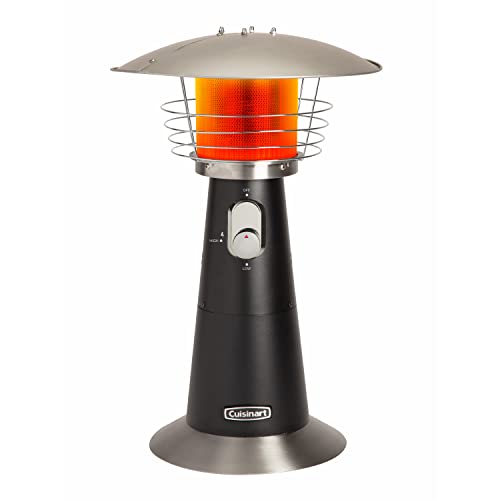
Type: Propane tabletop heater. Heat Output: 11,000 BTU, warming up to about 30 sq. ft.
Features listed include powerful and even heating via an 11,000 BTU burner and reflector top plate for wider distribution. Safety elements include a built-in anti-tilt automatic shut-off and a burner screen guard. The unit is promoted as lightweight and compact for tabletop placement, tailgates, or camping.
Practical considerations: this model is intended for small-area heating and sits on a table. The propane fuel source offers portability without electrical connection. The anti-tilt switch and screen guard address common safety needs for tabletop propane heaters.
Hykolity Mini Tabletop Heater

Call 888-896-7031 for Free Local HVAC Quotes – Compare and Save Today!
Type: Propane tabletop heater. Heat Output: 13,000 BTU. Size/Weight: Compact dimensions and approx. 14 lbs.
This unit highlights a one-press ignition and control valve for temperature adjustment, aiming for quick warm-up in minutes. The product description emphasizes a double-layer stainless steel burner and a triple protection system for safer operation. Assembly is described as straightforward and suitable for quick setup.
Practical considerations: slightly higher BTU than some tabletop models gives more localized warmth. The compact weight and size improve portability for small outdoor gatherings, but users should confirm fuel container compatibility and mounting stability for table placement.
CHARMELEON Wood Pellet Fire Pit

Type: Portable wood pellet fire pit / rocket stove. Construction: Painted stainless steel designed for outdoor use.
The product is described as a decorative and functional pellet fire pit. Features include straightforward ignition using pellets and fuel cubes, durable stainless steel construction, and a design that emphasizes visual flame patterns. It is presented as portable for backyard or courtyard use.
Call 888-896-7031 for Free Local HVAC Quotes – Compare and Save Today!
Practical considerations: wood pellet fire pits provide both radiant heat and an open flame aesthetic. They differ from propane or electric small heaters by requiring fuel pellets and more clearance for safe operation. Users should consider local open-flame regulations and surface protection when using a pellet fire pit on small patios or decks.
Riseon 1500W Electric Patio Heater

Type: Electric PTC ceramic space heater. Power: Up to 1500W with three heating modes and remote thermostat control.
Key features include touch and remote control, an intelligent thermostat with ECO/Low/High modes, and overheat protection
Practical considerations: electric heaters require an outlet but avoid open flames or fuel canisters, making them suitable for balconies or covered patios where propane or pellets may be restricted. Check the unit’s IP/weather rating and required clearances for outdoor use.
Dr Infrared DR-238 Carbon Infrared Heater
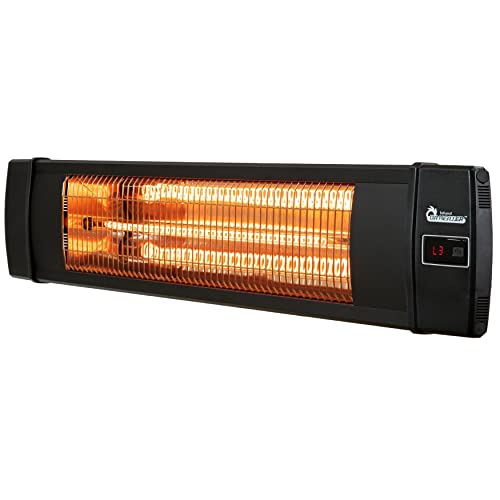
Type: Carbon infrared electric heater. Power Settings: 900W, 1200W, 1500W. Rating: IP55 approved for indoor and outdoor use.
Features include clean, instant, odorless infrared heat on multiple power settings and a plug-and-play design with remote control. The IP55 rating supports use in sheltered outdoor spaces, and infrared heating offers directional warmth that can feel more efficient for seating areas.
Practical considerations: carbon infrared heaters are energy-efficient when heating people and objects directly rather than air. For small patios, device placement and directional aim affect perceived warmth. Ensure electrical supply and mounting or tabletop stability meet the product’s intended installation guidance.
Buying Guide: Choosing A Small Patio Heater
This guide covers the key factors to weigh when selecting a small patio heater, comparing fuel types, portability, safety, and performance so you can match a heater to your space and use case.
Heat Source And Fuel Type
- Propane Tabletop Heaters: Provide strong localized radiant heat with no electrical cord. Ideal for small, open-air areas and portable use. Consider fuel canister size, ventilation, and storage of spare cylinders.
- Electric Heaters (PTC/Ceramic, Infrared): Require an electrical outlet but avoid open flames and fuel refills. Better for balconies or covered patios with outlet access. Infrared models heat objects directly, often feeling warmer at lower energy use.
- Wood Pellet Or Fire Pits: Offer flame ambiance and radiant heat but need more operational attention and clearances. Local open-flame restrictions can limit use on small patios.
Size, Heat Output, And Coverage
- BTU vs Watts: Propane heaters list BTUs; electric heaters list watts. Higher numbers generally mean more heat, but coverage depends on placement and wind.
- Intended Area: Small tabletop heaters typically warm a radius of a few feet—suitable for a seating group of 2–4. For slightly larger small patios, choose higher-BTU tabletop options or a standing electric unit.
- Placement: Tabletop units center heat at table level. Infrared or directional electric heaters can be mounted or placed to focus warmth toward seating.
Portability And Installation
- Weight And Size: Lighter units are easier to move but may be less stable in wind. Check base design and recommended mounting.
- Assembly: Look for pre-assembled parts or straightforward instructions. Some propane tabletop heaters are ready out of the box, while fire pits or infrared units may require mounting.
- Wheels Or Handles: Useful for larger portable standing heaters; tabletop models rely on compact form factor for mobility.
Safety Features
- Tip-Over Shutoff: Essential for tabletop propane heaters. This feature cuts gas if the unit is knocked over.
- Burner Guards And Screens: Prevent accidental contact with hot elements and reduce flare risk.
- Overheat Protection And Child Lock: Common on electric units to prevent overheating or unintended operation.
- Clearances And Surface Protection: Confirm required clearances from walls and furniture and use heat-resistant mats for decks or tables as needed.
Weather Resistance And Ratings
- IP And Outdoor Ratings: For electric heaters used outdoors, look for IP ratings or explicit outdoor use approval to handle moisture and dust.
- Wind And Open-Air Use: Small tabletop heaters can be affected by wind. Consider wind screens or sheltered placement for consistent warmth.
Operational Considerations
- Fuel Availability: Ensure propane canisters or pellets are available locally before choosing a fuel-based model.
- Noise And Odor: Electric models are silent and odorless. Pellet and propane units may produce sound or smell; consider proximity to seating when selecting.
- Maintenance: Stainless steel burners and washable screens simplify upkeep. Pellet units require ash removal and pellet refills.
Comparison Perspectives
- Best For Mobility: Lightweight tabletop propane heaters with compact canisters enable spontaneous outdoor use and easy storage.
- Best For Restrictions: Electric infrared or PTC models fit balcony rules that prohibit open flame or gas storage.
- Best For Ambiance: Pellet fire pits provide visible flames and aroma but require more clearance and fuel handling.
- Best For Efficiency: Infrared heaters often deliver perceived warmth faster to people and objects without heating all the air, offering efficiency in small, partially sheltered spaces.
Use these criteria to match a small patio heater to your space: choose fuel type based on access and regulations, prioritize safety features for tabletop placement, and consider portability vs. continuous-use needs when deciding between propane, electric, or pellet options.
Tips for Getting the Best HVAC Prices
- Prioritize Quality Over Cost
The most critical factor in any HVAC project is the quality of the installation. Don’t compromise on contractor expertise just to save money. - Check for Rebates
Always research current rebates and incentives — they can significantly reduce your overall cost. - Compare Multiple Quotes
Request at least three estimates before making your choice. You can click here to get three free quotes from local professionals. These quotes include available rebates and tax credits and automatically exclude unqualified contractors. - Negotiate Smartly
Once you've chosen a contractor, use the proven strategies from our guide — How Homeowners Can Negotiate with HVAC Dealers — to get the best possible final price.