
Smart thermostats with humidifier control help maintain comfortable indoor air by coordinating heating, cooling, and humidity levels. This guide highlights five top options, focusing on compatibility, energy savings, and ease of use. Each product includes key features to help you compare performance, usability, and smart home integration. Explore how these thermostats can simplify climate control while supporting healthier indoor air quality.
| Product | Brand | Key Benefit |
|---|---|---|
| Honeywell Home RTH9585WF1004 | Honeywell Home | Color touchscreen, energy rebates, demand response |
| ecobee Smart Thermostat Premium | ecobee | Smart Sensor, air quality monitor, premium design |
| ecobee Smart Thermostat Essential | ecobee | Energy saving with compatibility versatility |
| Sensi Smart Thermostat | Emerson | Privacy focus, easy DIY install |
| Google Nest Thermostat | Energy savings with flexible compatibility |
Content Navigation
Honeywell Home RTH9585WF1004 Wi‑Fi Smart Color Thermostat
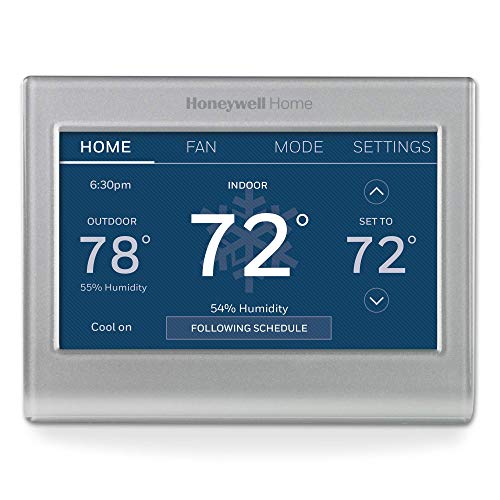
The Honeywell Home RTH9585WF1004 combines a color touchscreen with Wi‑Fi connectivity to deliver programmable control across seven days. It supports energy-saving features and utility programs that can reward you for participating in demand response. The flexible scheduling allows you to tailor HVAC settings to your lifestyle and, in some regions, to peak energy pricing. This model integrates with popular voice assistants and offers intuitive setup for households seeking a straightforward, aesthetically pleasing thermostat with robust energy management.
ecobee Smart Thermostat Essential

The ecobee Essential is an Energy Star certified programmable Wi‑Fi thermostat designed for broader compatibility. It supports Siri, Alexa, and Google Assistant, enabling convenient voice control and routine customization. The thermostat promises annual savings by adapting to your schedule when you’re away and optimizing comfort when you’re home. It is compatible with a wide range of HVAC systems and offers ongoing software updates, ensuring continued performance improvements without hardware changes.
Sensi Smart Thermostat
Call 888-896-7031 for Free Local HVAC Quotes – Compare and Save Today!
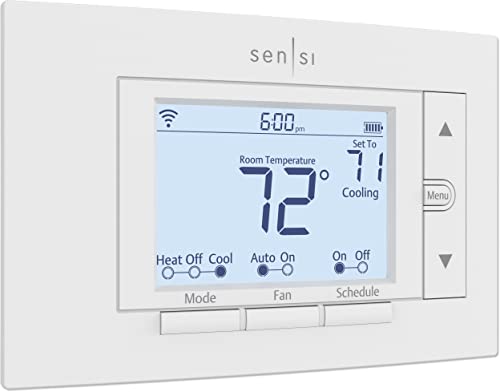
The Sensi Smart Thermostat focuses on privacy and straightforward installation. Its user-friendly interface helps homeowners configure schedules across weekdays and weekends, with energy-saving features supported by ENERGY STAR certification. It is designed to work with a broad range of HVAC systems, and its DIY installation approach uses a built-in level and guided app setup. While it may not include all advanced sensors, it remains a solid option for privacy-conscious users seeking reliable performance.
Google Nest Thermostat

Nest offers energy-based learning and automation that adapts to your routine without requiring a C wire in many setups. Its compatibility with Google Home and other smart ecosystems makes it a natural fit for households prioritizing seamless voice control and scheduling. The thermostat turns itself down when you’re away, helping reduce energy waste, and it supports a variety of HVAC configurations via the Google Nest app. It’s a practical option for users who value simple setup and ongoing energy savings.
meross Smart Thermostat (Second Listing)

The Meross thermostat options emphasize compatibility with Matter, as well as Alexa, Apple Home, and Google Assistant. Note that this model requires a C‑wire for proper functionality and operates on 2.4 GHz Wi‑Fi. It includes 7×24 scheduling and an emphasis on energy savings, making it a strong choice for homes that want broad smart home compatibility and robust app-based control while managing humidity through integrated climate routines.
Tips for Getting the Best HVAC Prices
- Prioritize Quality Over Cost
The most critical factor in any HVAC project is the quality of the installation. Don’t compromise on contractor expertise just to save money. - Check for Rebates
Always research current rebates and incentives — they can significantly reduce your overall cost. - Compare Multiple Quotes
Request at least three estimates before making your choice. You can click here to get three free quotes from local professionals. These quotes include available rebates and tax credits and automatically exclude unqualified contractors. - Negotiate Smartly
Once you've chosen a contractor, use the proven strategies from our guide — How Homeowners Can Negotiate with HVAC Dealers — to get the best possible final price.
Buying Guide: Key Purchase Considerations
- Compatibility: Verify your HVAC system type (gas, electric, heat pump) and ensure the thermostat supports it. Check C‑wire requirements for reliable power.)
- Humidifier Control: If humidity management is critical, confirm whether the thermostat integrates with your humidifier system or supports humidification schedules via smart scenes.
- Energy Savings: Look for ENERGY STAR certification, occupancy sensing, and adaptive scheduling to maximize efficiency and potential rebates.
- Smart Home Integration: Consider interoperability with Alexa, Google Assistant, or Siri, and whether the device works well with your existing ecosystem.
- Display and Usability: A color touchscreen or crisp interface improves day-to-day control and reduces setup friction.
- Maintenance Features: Air quality monitoring and filter-change reminders can add value for healthier indoor air.
- Updates and Support: Regular software updates extend device life and keep security protections current.
- Privacy and Data Handling: Review how each brand handles energy data, usage reports, and privacy settings.
Buying Guide: Comparative Perspectives
- Budget vs. Features: Premium models like ecobee Premium offer advanced sensors and air quality monitoring, while basic models provide essential scheduling and remote access.
- Single- vs Multi-Zone Control: Some thermostats support multiple sensors to optimize temperature across rooms; others are better suited for single-zone control.
- Utility Programs: Some brands participate in demand response programs, which can yield energy rebates but may require accepting remote adjustments during peak times.
- Installation Complexity: DIY-friendly units reduce installation time, but complex setups with advanced sensors may benefit from professional installation.
- Future‑Proofing: Choose a thermostat that supports future standards (e.g., Matter compatibility) to maximize long-term compatibility with smart home devices.