
The following guide reviews practical solar air heating solutions and related components for homes, attics, RVs, and off-grid setups. Below is a quick summary of the selected products to compare their primary use and compatibility.
| Product | Primary Use | Key Feature |
|---|---|---|
| VEVOR Solar Attic Fan | Attic Ventilation / Solar Air Extraction | MPPT Solar Power and high airflow |
| SoftStart Home Soft Starter | AC/Heat Pump Startup Support For Solar/Generator Systems | Reduces Inrush Current By Up To 70% |
| 12V RV Air Conditioner 15000 BTU | Low-Voltage HVAC For RVs / Solar-Powered Vehicles | 12V Scroll Compressor for DC operation |
| AR-PRO 520272 Sensor | Temperature Sensing For Air/Water/Solar Systems | 20-Foot Cable with 10k thermistor |
| The Complete Handbook Of Solar Air Heating Systems | Design & Build Reference | Practical Design Guidance for home systems |
Content Navigation
VEVOR Solar Attic Fan For Solar Air Venting

The VEVOR Solar Attic Fan is designed to extract hot air from attics and other enclosed spaces using a solar-driven brushless DC motor. It features a 42 W MPPT regulator to maximize energy harvesting and deliver up to 2800 CFM airflow under ideal conditions. This model includes an integrated temperature and humidity controller and a smoke detection safety function.
Key technical points include the fan’s automatic solar-to-electric switching via a 110V smart adapter for continuous operation, remote control capability, and weatherproof construction for roof mounting. The unit is positioned for users who want to reduce attic temperatures and lower cooling loads without relying solely on grid power.
SoftStart Home Soft Starter For A/C And Heat Pumps
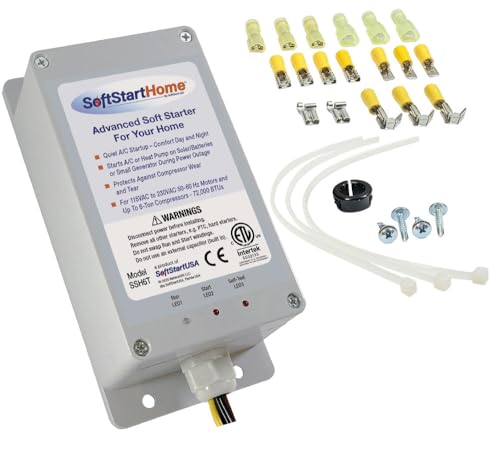
The SoftStart Home device applies soft-start technology to reduce the inrush current of air conditioner and heat pump compressors by up to 70%. This reduction eases demands on generators, inverter-solar systems, and small electrical services common in RVs and off-grid homes.
Call 888-896-7031 for Free Local HVAC Quotes – Compare and Save Today!
Designed to extend compressor life and minimize startup-related voltage dips and light flicker, the unit supports systems up to 6 tons (72,000 BTU). Installation is described as straightforward and intended for situations where limited startup amperage from solar inverters or generators would otherwise prevent reliable compressor startup.
12V RV Air Conditioner With Scroll Compressor

This 12V rooftop air conditioner is built around a 12V DC scroll compressor, enabling cooling and heating operation from low-voltage systems typical of solarized RVs and off-grid mobile platforms. The manufacturer highlights DC operation to reduce fuel consumption associated with gasoline-powered generators.
Performance features include claimed fast cooling and integrated heat pump capability. The unit’s housing uses UV-resistant ABS and an elevated IPX6K protection rating for weather resilience. The design targets RV owners seeking HVAC options compatible with DC battery banks and solar charging systems, but requires appropriate battery capacity and inverter/charger strategy.
AR-PRO 520272 Air/Water/Solar Temperature Sensor
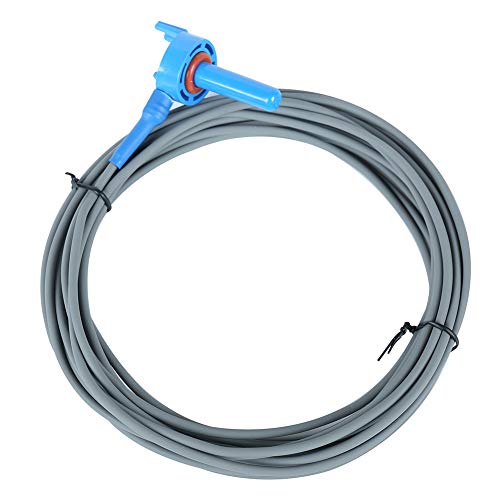
The AR-PRO 520272 replacement sensor uses a 10k-ohm thermistor and includes a 20-foot cable, suitable for remote temperature monitoring in air ducts, solar collectors, pools, or tanks. Its build is described as heavy-duty material intended to improve service life versus some OEM sensors.
Call 888-896-7031 for Free Local HVAC Quotes – Compare and Save Today!
As a sensor component for solar air heating systems, it provides a practical option when accurate temperature feedback is needed for controllers, thermostats, or automation systems. Compatibility checks with existing controllers are advised prior to installation.
The Complete Handbook Of Solar Air Heating Systems

This handbook covers the principles of designing and building solar air heating systems, addressing collector design, airflow strategies, materials, and cost-effective construction techniques. It is presented as a practical resource for homeowners, builders, and DIY enthusiasts focused on solar thermal air solutions.
The material includes diagrams and step-by-step recommendations that can inform decisions about collector type, fan selection, control methods, and integration with existing HVAC or passive systems. It is a reference for planning and for troubleshooting design trade-offs in solar air heating projects.
Buying Guide For Solar Air Heaters And Accessories
This buying guide highlights the main considerations when selecting a solar air heating solution, ventilation fan, HVAC accessory, sensor, or reference material. Use these points to match product capabilities to system goals and constraints.
Tips for Getting the Best HVAC Prices
- Prioritize Quality Over Cost
The most critical factor in any HVAC project is the quality of the installation. Don’t compromise on contractor expertise just to save money. - Check for Rebates
Always research current rebates and incentives — they can significantly reduce your overall cost. - Compare Multiple Quotes
Request at least three estimates before making your choice. You can click here to get three free quotes from local professionals. These quotes include available rebates and tax credits and automatically exclude unqualified contractors. - Negotiate Smartly
Once you've chosen a contractor, use the proven strategies from our guide — How Homeowners Can Negotiate with HVAC Dealers — to get the best possible final price.
Define The System Purpose
- Space Heating vs. Ventilation: Solar air heaters and attic fans serve different goals. Heaters aim to supply warm air for living spaces, while attic fans remove heat to lower cooling loads.
- Continuous Ventilation: If the goal is passive cooling or reducing attic temperature, prioritize high-CFM fans with MPPT regulators for consistent output.
- Supplemental Heating: For supplemental heating, focus on collectors and blowers sized to deliver required Btu/hr and compatible ducting for the intended space.
Power And Energy Compatibility
- Solar Generation Match: Match device power draw to expected solar array output and battery/inverter capabilities. MPPT-equipped fans improve efficiency under variable sun conditions.
- Inrush Current And Startup: Large compressors draw high startup current. Soft starters can reduce inrush and allow operation from smaller inverters or generators.
- Low-Voltage Systems: Choose 12V DC HVAC units or fans when operating directly from a battery bank to avoid conversion losses; ensure adequate battery capacity for runtime needs.
Sizing And Airflow
- CFM Requirements: Calculate required CFM based on space volume and desired air changes per hour. Attic ventilation often targets high CFM to rapidly move heat.
- Collector Output: For active solar air heaters, estimate Btu output using collector area and expected solar insolation. Verify that chosen fan can move the recommended airflow across the collector.
- Pressure And Ducting: Consider static pressure introduced by ducts and filters; fans and blowers should be rated for the anticipated pressure to maintain airflow.
Controls, Sensors, And Automation
- Temperature Sensors: Reliable sensors with appropriate cable length and accuracy are necessary for automated controllers to regulate fans, dampers, or supplementary heating.
- Thermostats And Controllers: Integrate controllers that support solar-specific inputs or allow for differential control (collector vs. space) to prevent heat loss when solar input drops.
- Safety Functions: Smoke detection, over-temperature cutoffs, and freeze protection matter in systems exposed to variable conditions.
Durability And Weather Resistance
- Materials: UV-stable housings, corrosion-resistant metals, and sealed motors extend field life in outdoor installations.
- Ingress Protection: Check IP ratings for fans and electrical components if exposed to rain or roof-mounted environments.
- Mounting And Roof Compatibility: Ensure flashing and mounting hardware match roof type (metal, shingle, masonry) and local building code requirements.
Installation And Maintenance
- Ease Of Installation: Consider devices with clear instructions and available local support if you lack HVAC or roofing experience.
- Service Accessibility: Choose components that allow sensor replacement, filter cleaning, and motor maintenance without major disassembly.
- Wiring And Conduit: Plan for cable routing, conduit, and connectors that meet electrical code; longer sensor cables may improve placement flexibility.
System Integration Perspectives
- Whole-House HVAC Integration: When adding solar air heating to an existing HVAC system, design for safe bypass or interlock to avoid backfeeding and ensure balanced pressures.
- Off-Grid And RV Applications: For mobile systems, prioritize low weight, low startup current, and resilient housings. Soft starters and 12V equipment ease integration with limited power sources.
- Hybrid Systems: Consider combining solar collectors with electric or backup heating, using sensors and controllers to switch modes based on solar availability and indoor setpoints.
Performance And Cost Trade-Offs
- Initial Cost vs. Efficiency: Higher-efficiency fans and controllers can cost more upfront but reduce long-term energy usage and extend component life.
- DIY vs. Commercial Kits: DIY collectors reduce material cost but require careful sealing and insulation. Commercial units may include warranties and engineered performance data.
- Component Upgrades: Upgrading sensors or adding a soft starter can improve reliability without replacing the entire system.
Regulatory And Safety Considerations
- Permits And Codes: Roof-mounted fans or changes to HVAC may require permits. Validate local building codes before installation.
- Electrical Compliance: All electrical work should meet NEC guidelines; batteries, inverters, and charge controllers must be matched to system voltage and load.
- Fire And Smoke Safety: If integrating fans or collectors near insulated or combustible materials, ensure proper clearances and smoke detection where required.
Questions To Ask Before Purchase
- What is the primary objective: heating, ventilation, or hybrid function?
- Does my solar array and battery/inverter support the startup and continuous load?
- What CFM and static pressure does my ducting require?
- Are the materials and weather ratings adequate for my roof or installation environment?
- Do I need supplemental controls, soft-starting, or additional sensors for reliable operation?