
Choosing a heater that works with solar power requires attention to compatibility, efficiency, and installation. This guide compares five relevant solar‑friendly electric heaters and includes a compact summary table so you can scan specs quickly.
| Product | Type | Key Solar‑Relevant Feature |
|---|---|---|
| YALICE Water Heaters, Solar Power Water Heater Electric | Tank Water Heater (Hybrid) | Designed For Daytime Solar Input With Automatic AC Backup |
| ENVI Plug-in Electric Panel Wall Heaters | Low‑Wattage Wall Panel | Low Continuous Wattage Suited To Small Solar/Inverter Systems |
| Dr Infrared Heater DR-238 Carbon Infrared | Ceiling/Wall Infrared (Indoor/Outdoor) | IP55 Rated; Uses Standard 120V Which Can Run From Inverter |
| STAR PATIO Infrared Heater With Oscillation | Freestanding Outdoor Infrared | Infrared Tech Efficient In Wind; Lower Power Than Gas Options |
| Riseon 1500W Electric Garage/Patio Heater | Portable PTC Ceramic Outdoor/Indoor | Multiple Modes And Thermostat For Energy Management |
Content Navigation
- YALICE Water Heaters, Solar Power Water Heater Electric, 2200 Watts Hot Water Heater
- Envi Plug-in Electric Panel Wall Heaters For Indoor Use
- Dr Infrared Heater DR-238 Carbon Infrared Outdoor Heater
- Star Patio Outdoor Patio Heater With 180° Oscillation
- Riseon 1500W Electric Garage Heater With Remote Thermostat
- Buying Guide: How To Choose A Solar‑Friendly Electric Heater
- 1. Power Draw And Inverter Capacity
- 2. Type Of Heat: Radiant Versus Convective
- 3. Duty Cycling, Thermostats, And Modes
- 4. Integration With Solar Panels And Batteries
- 5. Installation And Location Considerations
- 6. Safety And Continuous Operation
- 7. Efficiency And Perceived Warmth
- 8. System Sizing Examples
- 9. Maintenance And Longevity
- 10. Comparison Perspectives
YALICE Water Heaters, Solar Power Water Heater Electric, 2200 Watts Hot Water Heater

This 26‑gallon hybrid storage tank accepts daytime solar panel input (requires separate solar panels) and switches to household AC power automatically during low‑light periods. It lists a combined operation that pairs a 3200W tank heater with up to 1200W AC solar support, and an automatic fallback to 2000W AC when solar is unavailable. The unit provides an LED temperature readout and a thermostat adjustable from 86–167 °F (30–75 °C), plus timer and remote control for scheduling. Its feature set is focused on solar‑electric hybrid water heating, making it a relevant option when integrating with a daytime solar array and an inverter/charge system.
Envi Plug-in Electric Panel Wall Heaters For Indoor Use
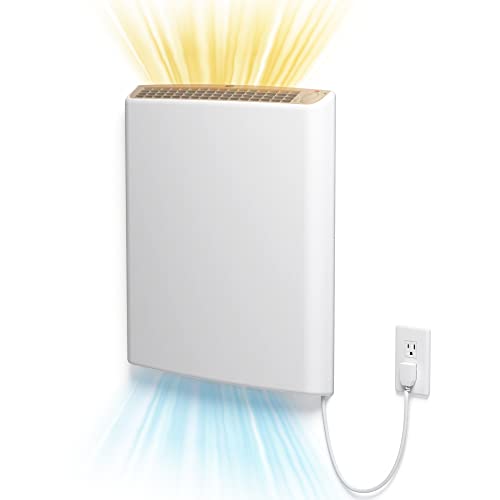
The ENVI panel is a low‑wattage, fan‑less wall heater designed for continuous, quiet operation and can run 24/7 at a cool surface temperature (~90°F). Its energy‑efficient profile and steady draw make it suitable for pairing with small solar/inverter systems or as a supplemental heater where central heat is reduced. The heater includes a wall‑sense safety sensor that cuts power if removed from the wall and avoids blowing dust or allergens through the fanless convection design. For off‑grid or solar‑augmented setups, the panel’s predictable low draw and silent operation can be an advantage in maintaining comfort while limiting battery drain.
Dr Infrared Heater DR-238 Carbon Infrared Outdoor Heater
Call 888-896-7031 for Free Local HVAC Quotes – Compare and Save Today!
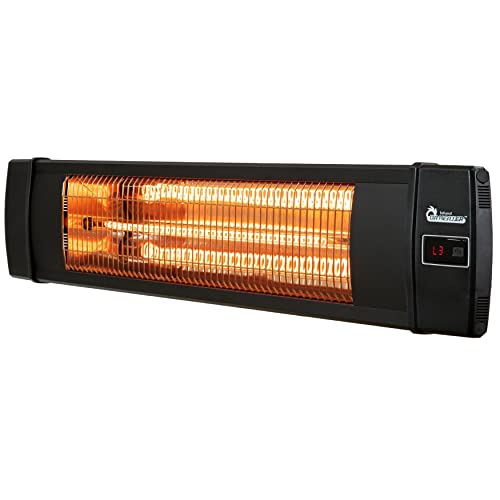
The DR-238 is an IP55 rated infrared heater usable indoors and outdoors. It operates on standard 120V and offers three power settings (900W, 1200W, 1500W). Infrared heating supplies direct radiant warmth, which can be more efficient outdoors and in partially open spaces compared with convective heaters. When integrating with solar power, infrared units that run at lower power settings or are used intermittently can be advantageous, because radiant heat usage can feel effective at lower ambient air temperature and therefore reduce runtime from battery‑backed systems or inverters.
Star Patio Outdoor Patio Heater With 180° Oscillation

This freestanding infrared patio heater emphasizes efficient infrared output and a honeycomb emitter design with 180° oscillation. The unit states heat coverage up to about 110 sq. ft. and uses 1200W electric power, making it a mid‑range wattage choice. Infrared designs like this can be effective when paired with daytime solar energy for evening use if a battery/inverter system stores daytime solar generation. The heater claims rapid radiant warmth and is positioned as an energy‑efficient alternative to gas patio heaters where electrical sources are preferred.
Riseon 1500W Electric Garage Heater With Remote Thermostat

The Riseon portable PTC ceramic heater provides 3 operating modes (ECO/Low/Mid/High) with an adjustable thermostat, remote control, and built‑in safety features such as overheat protection and tip resist design. The thermostat range and ECO mode allow duty‑cycled operation that can help limit energy draw from solar‑charged batteries or on a limited inverter. PTC ceramic elements typically modulate power, which can be beneficial for controlled energy consumption in solar‑augmented heating strategies.
Buying Guide: How To Choose A Solar‑Friendly Electric Heater
Selecting the right heater for a solar or solar‑augmented system means balancing load, efficiency, and usage patterns. Below are key factors and comparison perspectives to evaluate.
Call 888-896-7031 for Free Local HVAC Quotes – Compare and Save Today!
1. Power Draw And Inverter Capacity
Confirm the heater’s wattage and whether your inverter can deliver the required continuous and surge power. High‑wattage heaters (1500W+) demand larger inverters and deeper battery capacity; lower‑wattage or duty‑cycled heaters are easier to run from solar storage.
2. Type Of Heat: Radiant Versus Convective
Infrared (radiant) heaters warm people and surfaces directly and can feel effective at lower runtime, making them suitable for outdoor or drafty spaces. Convection and ceramic heaters warm the air and are better for enclosed rooms. For limited solar energy, radiant options often deliver perceived warmth more efficiently.
3. Duty Cycling, Thermostats, And Modes
Heaters with adjustable thermostats, ECO modes, timers, or duty cycles reduce unnecessary runtime and battery drain. A thermostat that cycles the element on/off is advantageous for conserving stored solar energy.
4. Integration With Solar Panels And Batteries
Decide whether the heater will run directly from an inverter during peak sun or from battery storage later. Water heaters designed as solar‑electric hybrids (storage tanks with solar input) are built for daytime solar integration. Space and patio heaters typically require an inverter and battery if used off‑grid.
5. Installation And Location Considerations
Wall‑mounted panel heaters are efficient for heating small zones continuously, while portable infrared and ceramic heaters are flexible for spot heating. For outdoor use, choose IP‑rated or outdoor‑specific models to handle moisture and wind; infrared still performs better in windy conditions than convectors.
6. Safety And Continuous Operation
Look for overheat protection, tip‑over shutoff, and certified safety listings (ETL/UL). For long unattended runs from a battery system, devices with robust thermal protection and predictable power draw enhance safety and system reliability.
7. Efficiency And Perceived Warmth
Consider not only wattage but the perceived effectiveness of the heating method. Radiant heaters may allow lower runtime while delivering comfortable warmth; low‑wattage panel heaters offer gentle, consistent heating ideal for maintaining baseline temperatures.
8. System Sizing Examples
- If you have a small inverter (1,000–1,500W), choose lower‑wattage radiant units or use a high‑wattage heater in short bursts or on ECO mode.
- For battery backup to run heaters overnight, calculate battery amp‑hours and inverter losses; continuous 1,500W draws require substantial storage compared to 300–700W panel heaters.
9. Maintenance And Longevity
Infrared elements and PTC ceramics are typically low maintenance, while hybrid water storage tanks require occasional inspection for anode rods and plumbing connections. For outdoor units, check weatherproofing and emitter lifespan.
Tips for Getting the Best HVAC Prices
- Prioritize Quality Over Cost
The most critical factor in any HVAC project is the quality of the installation. Don’t compromise on contractor expertise just to save money. - Check for Rebates
Always research current rebates and incentives — they can significantly reduce your overall cost. - Compare Multiple Quotes
Request at least three estimates before making your choice. You can click here to get three free quotes from local professionals. These quotes include available rebates and tax credits and automatically exclude unqualified contractors. - Negotiate Smartly
Once you've chosen a contractor, use the proven strategies from our guide — How Homeowners Can Negotiate with HVAC Dealers — to get the best possible final price.
10. Comparison Perspectives
- Cost To Run: Compare wattage × expected runtime; consider duty cycle and thermostat behavior.
- Use Case Fit: Panels and low‑wattage wall heaters suit continuous background heat; infrared suits spot or outdoor heating.
- Solar Compatibility: Hybrid water tanks designed for solar input simplify integration; space heaters require inverter sizing.