
Solar heater collectors transfer sun energy into usable heat for pools, hot water systems, and outdoor heating. This guide compares five well-regarded Amazon products spanning full collector panels, mounting-friendly kits, vacuum relief accessories, and durable heat exchangers used with solar loops.
| Product | Type | Best For |
|---|---|---|
| FAFCO Papa Bear Universal DIY Solar Pool Heater | Collector Panel Kit | Above-Ground Pools |
| Industrial Grade Solar Pool Heater DIY Kit (SwimJoy) | High-Efficiency Panel | Durability & High Flow Systems |
| Solar Pool Supply Vacuum Relief Valve | Accessory | Gravity Drainage & Freeze Prevention |
| AB 300 kBTU Stainless Steel Heat Exchanger | Plate/Coil Heat Exchanger | Large Pools, Outdoor Boilers, Solar Integration |
| 210 kBTU Titanium Shell And Tube Heat Exchanger | Titanium Heat Exchanger | Salt/Chlorine Pools, Corrosive Environments |
Content Navigation
FAFCO Papa Bear Universal DIY Solar Pool Heater

This FAFCO kit is a designed solar collector for above-ground pools. The product listing highlights effective solar heating using high-quality polyolefin materials and Made In The USA manufacturing. Typical installation connects panels to pool pump plumbing to circulate water through the collector surface where sunlight raises temperature.
Key listed features include: high efficiency in sunlight, durable polyolefin construction, and a long history of manufacturer testing and patents. The panel dimensions (3 ft. 9 in. x 24 ft.) suit many above-ground pools or modular installations when paired with simple plumbing fittings.
Industrial Grade Solar Pool Heater DIY Kit

This SwimJoy-styled kit emphasizes advanced flow design and durability. The listing states a patented over-molding process that fuses headers and riser tubes into one piece for longevity. An open flow design reduces head loss and mitigates clogging risk in outdoor systems.
Call 888-896-7031 for Free Local HVAC Quotes – Compare and Save Today!
Features called out include square header maximizing flow, low head-loss riser tubes, and a construction aimed at high wind resistance. This product is positioned for systems that need higher flow rates and minimal maintenance while preserving collector efficiency.
Solar Pool Supply Vacuum Relief Valve
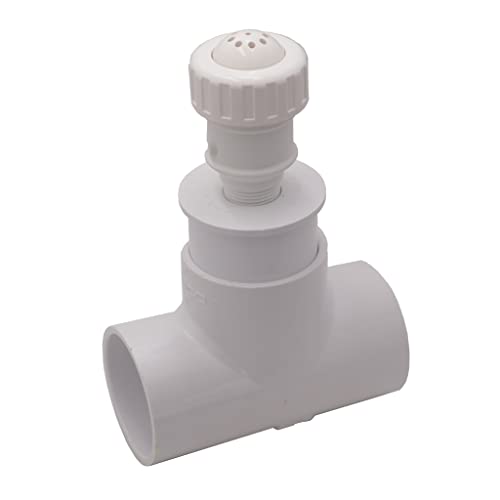
This accessory kit simplifies gravity drainage and vacuum relief for solar panel systems. The listing indicates compatibility with SwimJoy, SwimLux, and Heliocol style panels and includes a 3/4″ male pipe thread valve, PVC tee, and reducer bushing for plumbing integration.
Key listed features: proven reliability for draining excess water, ease of DIY install, and reduced maintenance by helping prevent water buildup and freeze-related damage. Useful when panels are at a higher elevation than pool equipment or piping.
AB 300 kBTU Stainless Steel Heat Exchanger

This AB heat exchanger is a heavy-duty stainless steel unit intended for integration with solar collectors, outdoor wood boilers, and pool systems. The listing specifies construction from high-grade 316L stainless steel, which provides corrosion resistance for chemically treated pools.
Call 888-896-7031 for Free Local HVAC Quotes – Compare and Save Today!
Listed capabilities include a pool heating capacity reference, compatibility for pools, spas, and hot tubs, and an included warranty period. Use cases center on transferring heat from solar loop fluid or external boilers to pool water while resisting corrosion in typical pool chemical environments.
210 kBTU Titanium Shell And Tube Heat Exchanger

This brazetek unit is a titanium shell-and-tube heat exchanger rated for high BTU transfer and designed for saltwater or chlorinated pool systems. The listing highlights titanium construction, which is ideal where corrosion resistance to chlorine or salt is necessary.
Product features include capacity up to 210,000 BTU/hr, suitability for solar or conventional boiler heat sources, and a form factor commonly used in marine or pool installations with aggressive water chemistries. Titanium minimizes long-term chemical degradation.
Buying Guide: How To Choose A Solar Heater Collector
Selecting the right solar heater collector depends on application, water chemistry, climate, installation constraints, and system type. Below are key considerations to weigh before purchase.
Tips for Getting the Best HVAC Prices
- Prioritize Quality Over Cost
The most critical factor in any HVAC project is the quality of the installation. Don’t compromise on contractor expertise just to save money. - Check for Rebates
Always research current rebates and incentives — they can significantly reduce your overall cost. - Compare Multiple Quotes
Request at least three estimates before making your choice. You can click here to get three free quotes from local professionals. These quotes include available rebates and tax credits and automatically exclude unqualified contractors. - Negotiate Smartly
Once you've chosen a contractor, use the proven strategies from our guide — How Homeowners Can Negotiate with HVAC Dealers — to get the best possible final price.
Application And Collector Type
- Pool Collectors: Typically polyolefin or rubber panel arrays designed for direct pool water circulation. Best for above-ground and in-ground pools when paired with appropriate plumbing and filtration.
- Heat Exchangers: Required when the solar loop fluid must be isolated from pool water or when using an external boiler. Choose stainless steel or titanium based on water chemistry.
- Accessory Components: Vacuum relief valves, mounting hardware, and freeze-protection fittings are essential for longevity and safe gravity drainage.
Material And Corrosion Resistance
- Polyolefin Panels: Cost-effective and widely used for pool heating; durable under sunlight but require correct flow and support.
- Stainless Steel (316L): Good corrosion resistance for chemically treated freshwater pools; often used in plate or coil exchangers.
- Titanium: Best choice for saltwater or heavily chlorinated pools due to superior chemical resistance.
System Flow, Head Loss, And Efficiency
- Flow Rate Compatibility: Ensure collector header and riser design match pump capacity. Low head-loss designs improve efficiency for modest pumps.
- Open Flow vs. Restrictive Designs: Open flow headers reduce clogging and pump strain; some advanced collectors use optimized riser geometry for better heat transfer.
- Pump And Plumbing Sizing: Match plumbing diameter and pump head to the collector specifications for optimal circulation and heat pickup.
Installation And Mounting
- Roof Or Ground Mounting: Consider panel orientation, tilt, and wind exposure. High-wind mounts or strapless systems can reduce damage risk.
- Drainage And Freeze Protection: For colder climates, include gravity drain, vacuum relief valves, or drainback designs to avoid freeze damage.
- DIY Versus Professional Install: Simpler above-ground pool kits are often DIY-friendly. Complex systems with heat exchangers or boiler integration may need professional plumbing and pump balancing.
Compatibility And Integration
- Pool Plumbing Threads & Fittings: Verify thread sizes and adapter requirements (e.g., 3/4″ MPT) for a smooth hookup.
- Heat Source Pairing: If using a boiler or wood furnace, select a heat exchanger with adequate BTU capacity and appropriate port sizes.
- Controller And Sensors: Consider differential controllers, temperature sensors, and check valves to automate operation and prevent reverse flow.
Durability, Warranty, And Maintenance
- Expected Lifespan: Material choice and manufacturing methods affect longevity. Over-molded headers and high-density panels resist UV and mechanical stress.
- Maintenance Requirements: Periodic inspection for leaks, debris, and freeze damage; heat exchanger descaling may be needed in hard-water areas.
- Warranty: Manufacturer warranties indicate confidence level—review coverage for panels and exchangers.
Performance Metrics And Sizing
- BTU Output And Pool Size: Use manufacturer BTU ratings as a guide, but account for climate, sun exposure, and desired temperature rise.
- Collector Area: Larger surface area yields more capture; modular panels allow scalability.
- Seasonal Expectations: Expect variable performance by season; design conservatively for shoulder seasons if extended use is important.
Cost Considerations (Lifecycle)
- Initial Investment vs. Operating Savings: Higher upfront cost for corrosion-resistant exchangers may reduce replacement frequency and maintenance costs long-term.
- Accessory Value: Items like vacuum relief valves and robust mounting systems can prevent costly freeze or wind damage and extend system life.