
Finding a true solar-powered heater for a cabin can be challenging. The products below are top small-space heaters suitable for cabins that may be paired with solar power systems or used as efficient alternatives when direct solar heaters aren’t available. The table summarizes selected options for cabin heating needs, including portable electric, propane, and forced-air units.
| Product | Type | Key Use |
|---|---|---|
| Xtreme Heaters Boat, Cabin, & RV Heater | Electric Portable | Small enclosed spaces, quiet profile |
| Mr. Heater F232017 MH9BXRV Buddy | Propane Radiant | Cabins, RVs, up to 225 sq ft |
| Mr. Heater MH12HB Hunting Buddy | Propane Radiant | Larger cabins, hunting blinds, up to 300 sq ft |
| Heat Hog 4,000 BTU Portable Propane Radiant Heater | Propane Radiant | Targeted directional heat for small spaces |
| Dura Heat EUH1465 Electric Forced Air Heater | Electric Forced-Air | Workshops, garage-style cabin spaces |
Content Navigation
Xtreme Heaters Boat, Cabin, & RV Heater

This portable electric heater is designed for boats, cabins, and RVs where quiet operation and a low profile are important. The unit draws air from the top, which allows placement against walls or on carpeted surfaces. It includes a tip-over switch that automatically shuts the unit off if it falls, improving safety in small, cluttered spaces. The design emphasizes stable base and low noise, making it useful for small sleeping areas or enclosed cabin rooms where sleeping comfort and quiet are priorities. Consider pairing with a solar inverter and battery bank to run for limited periods off-grid.
Mr. Heater F232017 MH9BXRV Buddy Grey
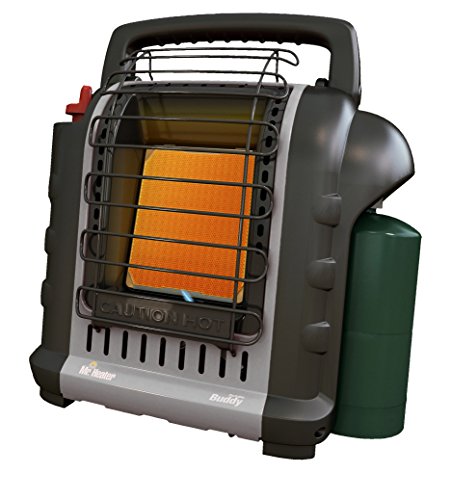
The MH9BXRV Buddy is a radiant propane heater rated at 4,000–9,000 BTU, suitable for cabins up to about 225 sq ft. It’s approved for indoor and outdoor use and emphasizes clean-burning radiant heat that doesn’t require electricity, which is a practical alternative for off-grid cabins. Safety features include auto shut-off for tip-over and low oxygen (ODS). Note operating limits at high elevations. This heater is a good match where propane supply and ventilation are manageable and when pairing with a solar setup isn’t feasible for primary heating.
Mr. Heater MH12HB Hunting Buddy Portable Propane Heater

Call 888-896-7031 for Free Local HVAC Quotes – Compare and Save Today!
The Hunting Buddy delivers up to 12,000 BTU and is suitable for larger cabin spaces (approx. up to 300 sq ft). It includes a swivel regulator for different propane tank options and safety features like low oxygen shut-off and tip-over protection. Because it operates without electricity, it’s widely used in remote cabins, hunting blinds, and workshops. For cabins reliant on solar power for lighting and electronics, this propane unit provides a dependable supplemental heat source where electric heaters may be limited by battery capacity.
Heat Hog 4,000 BTU Portable Propane Radiant Heater

The Heat Hog is a compact propane radiant heater delivering 4,000 BTU, optimized for up to about 100 sq ft. Its angled head design and curved plaque technology provide a wider, directional heating pattern useful for focused heating in small cabin rooms, entryways, or workspaces. No electricity is required, which makes it compatible with off-grid scenarios. It’s useful as a targeted supplemental heater rather than as a whole-cabin solution when paired with insulation and zoning strategies.
Dura Heat EUH1465 Electric Forced Air Heater
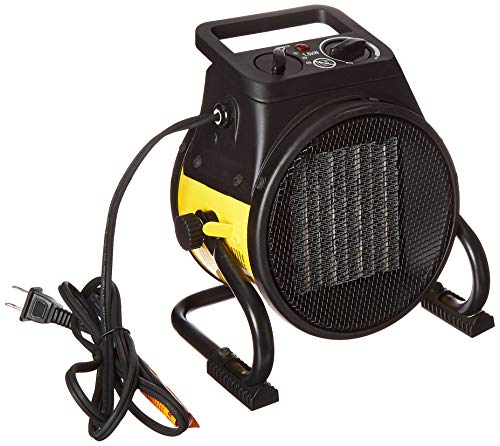
The Dura Heat EUH1465 is a 1500W electric forced-air heater built with a rugged steel case, offering quick PTC ceramic heat and a pivoting base for directional airflow. It’s suited for garage-style cabin spaces and workshops where higher airflow and rapid temperature changes are desired. To operate on solar power, confirm your cabin’s inverter and battery capacity can supply the 1500W load for the required duration; otherwise treat this as a grid- or generator-backed option.
Buying Guide
Understand The Term “Solar Powered Heater”: True solar-powered heaters either use photovoltaic (PV) electricity to run electric heaters or use solar thermal collectors to produce heat directly. The listed products are electric or propane heaters that can be used alongside solar PV systems or as non-electric alternatives.
Call 888-896-7031 for Free Local HVAC Quotes – Compare and Save Today!
Power Source And Off-Grid Compatibility
- Electric Heaters: Require reliable electrical supply and sufficient inverter/battery capacity. A 1500W heater will draw significant power; plan battery and inverter sizing accordingly.
- Propane Heaters: Operate without electricity, making them practical for remote cabins. Ensure safe ventilation and CO/ODS detection for indoor use.
- Solar Integration: For electric models, pair with a PV system sized to deliver short-run heating (or with a generator). For continuous heating, consider solar thermal solutions or hybrid systems.
Heating Capacity And Space Size
- Match BTU or watt rating to cabin square footage and insulation quality.
- Radiant heaters (propane) heat people and objects directly and are effective in drafty or poorly insulated cabins.
- Forced-air electric heaters distribute warm air more quickly for uniform warmth in enclosed spaces.
Safety Features
- Look For Tip-Over Protection And Low-Oxygen Shut-Off (ODS) On Fuel-Burning Units.
- Electric units should include overheat protection and stable base design.
- Install CO alarms and maintain ventilation when using propane or other combustion heaters indoors.
Energy Efficiency And Running Costs
- Electric heaters convert nearly all input to heat at point of use; overall efficiency depends on your power source.
- Propane heaters are effective radiant options; evaluate cylinder availability and storage safety.
- Consider usage patterns—intermittent supplemental heat favors propane or solar-driven short-term electric use.
Installation, Portability, And Maintenance
- Portable units are easy to relocate and ideal for zoned heating of occupied areas.
- Hardwired or permanently installed systems require planning for venting, wiring, or fuel lines.
- Regular maintenance: clean air paths for electric units; inspect hoses, fittings, and valves for propane devices.
Multiple Comparison Perspectives
- Off-Grid Reliability: Propane radiant units offer heat independent of batteries and solar variability.
- Solar-Ready Electric: Electric forced-air and PTC ceramic heaters can be run from PV + inverter for limited durations if systems are sized properly.
- Targeted Comfort: Small radiant propane units deliver focused heat to occupants; electric forced-air units heat air volume faster.
- Safety Vs. Convenience: Electric options generally require less ventilation; combustion units need CO detection and fresh air.
Final Consideration: If your primary goal is a heater that runs entirely from solar energy, consider investigating solar thermal collectors or pairing electric heaters with a PV system sized specifically for heating. The products above offer practical, widely used cabin heating options that can complement or substitute for solar-only solutions depending on your energy setup and safety needs.
Tips for Getting the Best HVAC Prices
- Prioritize Quality Over Cost
The most critical factor in any HVAC project is the quality of the installation. Don’t compromise on contractor expertise just to save money. - Check for Rebates
Always research current rebates and incentives — they can significantly reduce your overall cost. - Compare Multiple Quotes
Request at least three estimates before making your choice. You can click here to get three free quotes from local professionals. These quotes include available rebates and tax credits and automatically exclude unqualified contractors. - Negotiate Smartly
Once you've chosen a contractor, use the proven strategies from our guide — How Homeowners Can Negotiate with HVAC Dealers — to get the best possible final price.