
Basements present unique heating challenges: high ceilings, concrete floors, and higher humidity. This guide reviews reliable electric and infrared options suited for supplemental heating in spaces up to about 1,000 square feet. Below is a quick comparison table of the selected products to help you scan features before diving into individual reviews.
| Product | Type | Key Features |
|---|---|---|
| Comfort Glow Portable Infrared Quartz Heater | Infrared / Quartz | 4 quartz elements, 1,500W, Adjustable Heat Settings, Child Lock |
| Duraflame Freestanding Electric Fireplace Stove | Infrared Stove | 3D flame effect, Portable, Rated For 1,000 Sq. Ft., Decorative |
| Dr Infrared Heater Portable 1500W | Dual Infrared + PTC | Dual heating system, Quiet blower, Remote, Timer |
| Heat Storm HS-1500-PHX-WIFI (Wall) | Wall-Mounted Infrared | Wi‑Fi enabled, Digital thermostat, Space-saving wall mount |
| Dura Heat EUH1465 Forced Air Heater | Forced Air / PTC | 1500W PTC, Rugged steel, Pivoting base, Fan-only option |
Content Navigation
Comfort Glow Portable Infrared Quartz Heater

This infrared quartz heater uses four quartz elements to deliver rapid radiant heat suitable as a supplemental source for large basements up to about 1,000 sq ft. It operates at 1500W and provides multiple heat modes including ECO and 750W to reduce energy draw.
- Heating Performance: Four quartz elements provide fast radiant warmth and a stated 5,120 BTU output suitable for open basement areas when used with targeted placement.
- Controls & Safety: Built-in thermostat, remote control, child lock, overheat and tip-over protection enhance safe operation in high‑traffic areas.
- Use Cases: Best for homeowners who prefer radiant warmth that heats objects and people directly, and who want adjustable power levels to manage energy use.
Duraflame Freestanding Electric Fireplace

The Duraflame stove heater combines infrared heating with a decorative 3D flame effect and is specified for rooms up to 1,000 sq ft. It’s a portable option that serves both functional and aesthetic roles in finished basements.
- Design & Ambience: Realistic flames, side viewing windows, and a glass door create a focal point in living spaces while running as a heater.
- Heating Method: Infrared heat is efficient for supplemental warmth without drastically altering air dryness; effective for occupied zones in a basement.
- Portability & Safety: Carries easily between rooms; includes standard safety features for indoor electric heaters. Ideal when you want a visual heating appliance and localized comfort.
Dr Infrared Heater Portable 1500-Watt
Call 888-896-7031 for Free Local HVAC Quotes – Compare and Save Today!
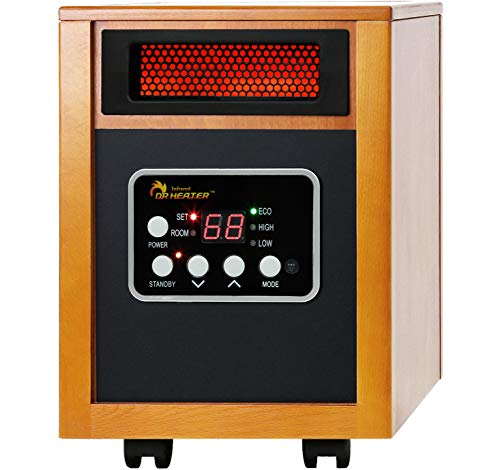
Dr Infrared’s portable model pairs an infrared quartz tube with a PTC heater and a high‑pressure low‑noise blower. The dual system increases perceived heat delivery and circulation compared to single-element units.
- Dual Heating System: Infrared quartz tube + PTC increases effective warmth and distribution, useful for mid- to large-size basements.
- Controls & Noise: Remote control, 12-hour timer, and a low-noise blower (~39 dB) enable quiet, scheduled operation during evenings or sleep.
- Safety Features: Tip-over and overheat protection are included. The unit emphasizes energy-saving modes for longer runtime without continuous high output.
Heat Storm HS-1500-PHX-WIFI Wall Mounted

The Heat Storm wall-mounted infrared heater saves floor space and adds convenience with Wi‑Fi control. It’s focused on supplemental zone heating and can be mounted to deliver direct radiant warmth to common basement areas.
- Smart Controls: Wi‑Fi connectivity and phone control let you preheat a basement zone from a distance and integrate scheduling.
- Installation & Space: Wall mounting preserves floor area in workshops or finished basements; ideal for directed heating of seating or work areas.
- Safety & Usability: Tip-over shut-off (applicable during handling), touch-screen thermostat, and remote control provide layered control and safety features.
Dura Heat EUH1465 Electric Forced Air Heater
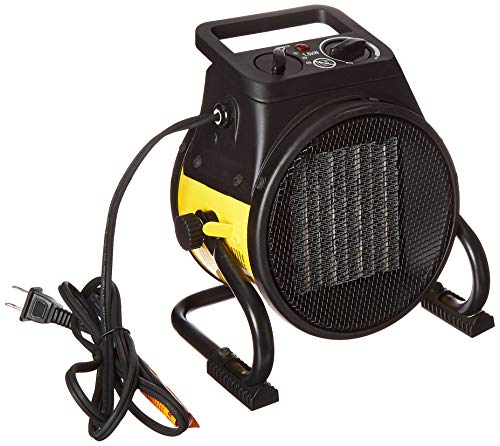
The Dura Heat forced air heater delivers 1500W of PTC ceramic heat within a rugged steel housing. Its pivoting base and fan-only setting make it suitable for garages, workshops, and unfinished basements where robust airflow helps distribute heat.
- Durability: Steel construction targets jobsite and workshop use—appropriate for basements that double as utility or hobby spaces.
- Heating Style: Forced air circulates warmer air more quickly than pure radiant units but may feel less “cozy” in living areas. Good for raising ambient temperature or drying moisture-prone areas.
- Flexibility: Heat and fan-only modes allow year-round utility and assist with airflow in damp basements when combined with ventilation or dehumidification.
Buying Guide: Choosing A Basement Heater For 1,000 Sq Ft
Selecting a heater for a basement up to 1,000 sq ft requires balancing heat type, distribution, safety, energy use, and moisture management. Consider the following factors.
Call 888-896-7031 for Free Local HVAC Quotes – Compare and Save Today!
1. Heat Type: Radiant vs Forced Air
Radiant/Infrared heaters warm people and surfaces directly, making them efficient for occupied zones and concrete floors. They often feel warmer at lower air temperatures. Forced air heaters heat the air quickly and can move warmth across a larger open space but may lose heat faster through concrete and cold ceilings.
2. Placement And Distribution
Basements often have irregular layouts. Use higher-output radiant units aimed at seating or work areas for local comfort, or place a forced-air unit centrally if you need more even ambient temperature. Wall-mounted heaters save floor space; portable stoves add flexibility and décor.
3. Ceiling Height And Insulation
High ceilings increase heat loss. Improve insulation and use rugs or thermal curtains to reduce required heater load. For poorly insulated basements, multiple zoned heaters or a combination of radiant and forced-air options can be more effective.
4. Moisture And Corrosion
Basements can be humid. Choose units with corrosion-resistant housings and be mindful of electrical safety in damp areas. Pairing a heater with a dehumidifier can improve perceived warmth and protect appliances.
5. Safety Features
Look for tip-over, overheat, and cool-touch features. Wall-mounted and well-secured units reduce trip hazards. Follow local codes for electric heater installation and avoid running cords across walkways.
6. Energy Efficiency And Controls
Units with thermostats, timers, ECO modes, and Wi‑Fi scheduling can reduce runtime and energy costs. Infrared heaters often provide perceived warmth at lower air temperatures, saving energy in spot-heating use cases.
7. Noise And Ventilation
If the basement doubles as living or media space, choose quieter units or those with lower blower noise. If using forced-air heaters, ensure adequate ventilation and consider the interaction with existing HVAC systems.
8. Coverage Claims And Real-World Use
Square-foot coverage on product listings assumes ideal conditions and moderate insulation. For concrete-floored, poorly insulated basements, expect reduced effective coverage. Use supplemental portable units or increase insulation for realistic results.
9. Maintenance And Durability
Regularly clean filters and vents on blower-equipped heaters. For stoves and quartz models, check element accessibility and ensure clearances are maintained. Rugged metal housings suit workshops; decorative stoves fit finished spaces.
10. Combining Solutions
Often the most practical approach is a combination: one wall-mounted or stove-style infrared unit for occupied areas plus a forced-air or circulating heater for broader ambient raises. Pair heating with moisture control to maximize comfort and appliance longevity.
Tips for Getting the Best HVAC Prices
- Prioritize Quality Over Cost
The most critical factor in any HVAC project is the quality of the installation. Don’t compromise on contractor expertise just to save money. - Check for Rebates
Always research current rebates and incentives — they can significantly reduce your overall cost. - Compare Multiple Quotes
Request at least three estimates before making your choice. You can click here to get three free quotes from local professionals. These quotes include available rebates and tax credits and automatically exclude unqualified contractors. - Negotiate Smartly
Once you've chosen a contractor, use the proven strategies from our guide — How Homeowners Can Negotiate with HVAC Dealers — to get the best possible final price.