
Keeping a semi truck cab warm and safe requires the right heater for size, power source, and installation constraints. Below is a quick comparison of top options selected for truck drivers, including portable electric warmers, diesel parking heaters, 12V auxiliary units, and safe radiant heaters suitable for enclosed cabs.
| Product | Type | Power Source / Notable Feature |
|---|---|---|
| VEVOR 8KW Diesel Air Heater | Diesel Parking Heater | 12V, remote & LCD, 8KW |
| SEBLAFF 5KW Split Air Heater | Diesel/parking split heater | 12V, LCD & remote, low noise |
| JEGS Auxiliary UTV Heater 12V | 12V Auxiliary Air Heater | 12V, 28,000 BTU, 260 CFM |
| Mr. Heater MH9BXRV Buddy | Portable Radiant Propane Heater | 4,000–9,000 BTU, indoor-safe |
| Xtreme Heaters Portable Heater | Electric Space Heater | Quiet, tip-over safety, low profile |
Content Navigation
VEVOR 8KW Diesel Air Heater With Single Outlet

Type: All-in-one diesel air heater designed for trucks, RVs, and buses. The unit runs on diesel and is powered by the vehicle 12V electrical system.
The VEVOR heater lists 8KW output, operates from -40℃ to +50℃, and includes an LCD controller plus remote for preheating the cab. Features highlight fast heating, low noise and an aluminum construction for improved heat dissipation and longevity.
Relevant for long-haul drivers who want an integrated heating solution independent of engine idle. Installation requires fuel line routing, mounting space, and electrical connection to the vehicle battery. Fuel consumption is listed and should be weighed against typical idle or auxiliary battery capacity.
SEBLAFF 5KW Split Air Heater Parking Heating

Call 888-896-7031 for Free Local HVAC Quotes – Compare and Save Today!
Type: Split-style parking heater, suitable as a replacement or aftermarket cabin heater for trucks and trailers.
Key features include a 5KW output, remote and LCD control, low noise operation, and an oil pump for precise fuel delivery. The listing emphasizes reduced fan and pump noise and suitability for vehicle cabins, RVs, and boats.
This heater is positioned as a low-noise option for drivers who need quiet overnight heating. Split systems can simplify installation in some rigs by separating the combustion housing from the cabin air outlet, but they still require fuel routing and a secure electrical setup.
JEGS Auxiliary UTV Heater 12 Volt Assembly

Type: 12V auxiliary air heater designed for small cabs with a compact footprint.
The JEGS unit lists 28,000 BTU of heat and 260 CFM airflow with a three-speed fan and compact design for tight mounting locations. It is marketed for UTVs, trucks, vans, and other vehicles requiring a straightforward electric-driven blower heater.
Call 888-896-7031 for Free Local HVAC Quotes – Compare and Save Today!
Advantages include simpler electrical-only installation compared with fuel-burning heaters. Expect faster cabin air circulation due to high CFM, but confirm current draw and mounting method for semi-cab applications. This unit suits drivers who prefer an electric auxiliary option or who lack space for a full diesel heater.
Mr. Heater F232017 MH9BXRV Buddy Grey Indoor-Safe Heater
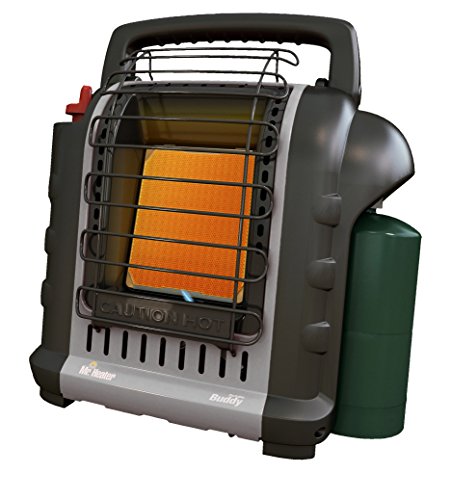
Type: Portable radiant propane heater approved for indoor use in ventilated spaces.
This heater provides 4,000–9,000 BTU and is rated for spaces up to 225 sq ft. Safety features include auto shut-off in case of tip-over or low oxygen (oxygen depletion sensor). The unit is described as nearly 100% efficient and suitable for indoor/outdoor use where ventilation is adequate.
As a portable option, it requires propane cylinders and careful attention to ventilation and CO safety when used inside a truck sleeper. It is useful for short-term supplemental heat and for drivers who prefer quick, portable warmth without electrical installation.
Xtreme Heaters Boat, Cabin, & RV Heater

Type: Electric portable space heater designed for small enclosed spaces such as RVs, cabins and truck sleepers.
Listed features include quiet operation, a low profile for placement against walls, automatic tip-over shutoff, and a stable base. The heater is positioned for safe, low-noise use in compact living spaces and emphasizes top air intake to allow wall placement.
This product is attractive for drivers needing minimal installation and an electric-only solution. Check vehicle power availability when using high-draw electric heaters; consider using with shore power or while the engine/aux battery is running per manufacturer guidance.
Buying Guide: Choosing The Right Heater For A Semi Truck
Selection depends on several variables: power source, heating capacity, installation complexity, safety features, and long-term operating cost. Below are key considerations and comparisons to guide a truck cab heating choice.
Heat Source And Fuel Type
- Diesel Parking Heaters: Use the vehicle’s diesel tank, independent of engine running. Good for preheating and overnight warmth. Require fuel lines, exhaust routing, and electrical wiring.
- 12V Electric Heaters / Auxiliary Units: Rely on the vehicle battery or alternator. Easier to install but power-limited. Suitable for short bursts or supplemental heat; check amperage draw and alternator capacity.
- Propane Radiant Heaters: Portable and fast-acting. Need ventilation and CO/ODP safety considerations. Ideal for temporary or occasional use, not long-term unattended heating in tight cabs.
- Portable Electric Space Heaters: Plug-in convenience when shore power is available. Avoid heavy draws on batteries. Good for truck stops with power hookups.
Heating Capacity And Cab Size
- Match heater output (BTU or kW) to sleeper size. Diesel units like 5–8KW or 20,000–30,000 BTU-equivalents heat well for larger sleepers.
- High CFM fans circulate heat faster; useful for removing cold spots but may increase noise.
- For small sleeper cabs, portable radiant heaters or lower kW diesel units may be sufficient and more efficient.
Installation Complexity And Space
- Diesel heaters require cutting and routing for exhaust and fuel line placement; plan space beneath the bunk or behind panels.
- Split systems allow remote mounting of combustion components, helpful in cramped cabs.
- 12V blower units typically mount under dash or in cabinetry, needing less invasive installation.
Power Draw, Battery, And Alternator Considerations
- Electric 12V or DC units can draw significant current—verify alternator output and battery reserve to avoid starting issues.
- Diesel heaters still need 12V for controls and pumps but use fuel for the heat source, lowering prolonged electrical draw.
- For portable electric heaters, shore power eliminates battery concerns and allows higher wattage units.
Safety Features And Compliance
- Auto Shutoff: Tip-over and oxygen depletion sensors are critical for indoor and sleeping use.
- Exhaust Routing: Diesel combustion must vent exhaust outside the cab to prevent CO buildup.
- Certifications: Look for recognized safety approvals and clear installation manuals to meet road-safety regulations.
Noise, Comfort, And Night Use
- Low-noise blower motors and precise oil pumps reduce sleep disturbance. Split or well-insulated units often operate quieter.
- Consider fan speed control for balancing quick warm-up and quiet overnight operation.
Operating Cost And Fuel Efficiency
- Diesel heaters consume some fuel but are often more efficient than idling the engine for heat. Compare listed fuel consumption rates to typical idle burn.
- Electric heaters cost less if shore power is cheap but can drain batteries quickly if used on DC alone.
Maintenance And Reliability
- Combustion heaters require periodic checks of the fuel pump, glow plug, and exhaust to ensure safe operation.
- Electric heaters have fewer moving parts but fans and thermostats should be inspected periodically.
- Choose units with accessible parts and clear manufacturer support for repairs.
Comparison Perspectives
- Long Haul, Overnight Comfort: Diesel parking heaters (VEVOR, SEBLAFF) provide sustained warmth without prolonged idling and are favored for multi-night stops.
- Quick Warm-Up And Simplicity: 12V auxiliary blowers (JEGS) provide rapid cabin circulation and easier installation for modest needs.
- Portable/Intermittent Use: Propane radiant (Mr. Heater) and plug-in electric (Xtreme Heaters) fit drivers who want temporary or shore-power-based solutions.
- Space & Noise Constraints: Split systems and low-noise models are preferred for drivers sensitive to sleep disruption or with small sleepers.
When selecting a heater, balance real-world constraints—installation time, wiring and fuel access, noise tolerance, and safety monitoring—with the desired level of warmth and operating budget. Always follow manufacturer installation guidance and local regulations for in-cab fuel-burning appliances.
Tips for Getting the Best HVAC Prices
- Prioritize Quality Over Cost
The most critical factor in any HVAC project is the quality of the installation. Don’t compromise on contractor expertise just to save money. - Check for Rebates
Always research current rebates and incentives — they can significantly reduce your overall cost. - Compare Multiple Quotes
Request at least three estimates before making your choice. You can click here to get three free quotes from local professionals. These quotes include available rebates and tax credits and automatically exclude unqualified contractors. - Negotiate Smartly
Once you've chosen a contractor, use the proven strategies from our guide — How Homeowners Can Negotiate with HVAC Dealers — to get the best possible final price.