
Choosing a space heater for a nursery focuses on safety features, consistent temperature control, and quiet operation. The table below summarizes five space heaters well-suited for baby rooms based on manufacturer safety claims and nursery-focused design.
| Product | Brand | Key Safety Features |
|---|---|---|
| Vornadobaby Tempa Nursery Space Heater | Vornadobaby | Cool-touch exterior, tip-over protection, automatic safety shutoff |
| Dreo Space Heater (2025 Upgraded) | Dreo | Tilt-detection, V0 flame retardant materials, overheat protection |
| GiveBest Portable Electric Space Heater | GiveBest | Thermostat control, automatic safety shutoff, tip-over protection |
| Amazon Basics Ceramic Space Heater | Amazon Basics | Tip-over and overheat protection, compact footprint |
| BLACK+DECKER Portable Space Heater | BLACK+DECKER | Carry handle, adjustable thermostat, basic tip-over protection |
Content Navigation
Vornadobaby Tempa Nursery Space Heater
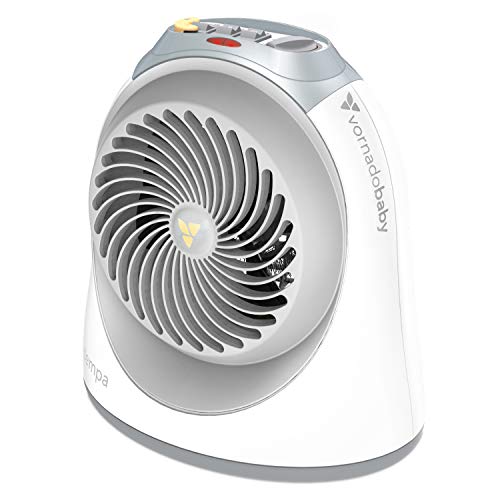
The Vornadobaby Tempa is purpose-built for nursery use and advertises gentle whole-air heating for rooms up to 100 sq. ft. It offers two heat settings plus a fan-only mode and supports auto or continuous circulation patterns to tailor air flow.
Safety features include a cool-touch exterior, tip-over protection, and an automatic safety shutoff triggered by excessive internal temperature. Hidden cord storage helps reduce tripping and cord access risks near a crib.
From a deployment perspective, Tempa’s design emphasizes even, low-velocity air movement rather than intense point heating, which supports maintaining a steady nursery temperature while minimizing hot surfaces and drafts.
Dreo Space Heater, Portable Electric Heaters

Call 888-896-7031 for Free Local HVAC Quotes – Compare and Save Today!
This upgraded Dreo model uses a 1500W PTC heating system with a heat-funnel design to speed distribution. The unit supports a precise thermostat range with 1°F increments for tighter temperature control in sensitive spaces like nurseries.
On safety, Dreo lists an innovative tilt-detection sensor, V0 flame-retardant materials, overheat protection, and a safety plug. ETL certification is indicated for electrical safety compliance. The combination of sensors and flame-retardant construction targets multiple failure modes.
Use in a nursery should still follow manufacturer placement guidance (away from crib rails and fabrics) despite these protections. The precise thermostat and timer options can help sustain a stable ambient temperature without constant intervention.
GiveBest Portable Electric Space Heater With Thermostat

GiveBest’s ceramic heater offers two power levels (1500W/750W) and a cool fan mode. The thermostat cycles to maintain a preset temperature and includes a wide numeric range. Built-in carry handle and compact size make placement flexible.
Safety is highlighted through a multi protection system: flame-retardant materials, automatic overheat shutoff, and tip-over protection that shuts the unit off if knocked over. The unit will resume operation when returned upright.
Call 888-896-7031 for Free Local HVAC Quotes – Compare and Save Today!
These features provide common safeguards expected for nursery use. As with other models, maintain safe clearance from bedding, curtains, and the crib, and use the thermostat feature to avoid overheating the space.
Amazon Basics Ceramic Space Heater, Portable Indoor

The Amazon Basics ceramic heater emphasizes a compact form factor and simple controls. It offers three settings: High, Low, and Fan Only, supporting localized heating or circulation without heat.
Critical safety features include tip-over protection and overheat protection. Its small size and light weight are advantageous for placement on a stable surface in a nursery while limiting exposed hot surfaces.
Because it is non-oscillating and compact, it can be positioned for indirect warming of a room. Careful positioning and stable placement reduce risk in a nursery environment.
BLACK+DECKER Portable Space Heater With Carry Handle

BLACK+DECKER’s portable heater is a lightweight, transportable option for targeted heating near a nursery workstation or changing table. It offers LOW (750W), HIGH (1500W), and Fan settings with an adjustable thermostat control.
Standard safety elements include tip-over protection and a stable base. The built-in carry handle supports safe relocation, though placement away from reach and loose materials is still necessary in baby areas.
This unit’s simple control layout and portability suit users who need a straightforward supplemental heat source. Ensure the heater is placed on a flat, stable surface and never within reach of a child.
Buying Guide: How To Choose A Space Heater Safe For Baby
Selecting a nursery-safe space heater requires focusing on multiple safety and performance factors. Below are key considerations and comparison perspectives to help evaluate options objectively.
Essential Safety Features
- Tip-Over Protection: Automatically cuts power if the unit falls. This reduces fire and burn risk when used near mobile toddlers or unstable surfaces.
- Overheat Protection: Internal sensors should shut the heater down if components exceed safe temperatures.
- Cool-Touch Exterior: Minimizes burn risk when the device is within reach of caregivers or curious children.
- Certified Materials and Listings: Look for ETL, UL, or equivalent certifications and flame-retardant housing (V0 rating where listed).
Temperature Control And Stability
- Accurate Thermostat: Precise control (narrow increments) maintains comfortable air without constant manual adjustments.
- Timer Function: Allows scheduled on/off cycles to avoid overheating the room while sleeping.
- Fan Mode / Air Circulation: Fan-only modes help circulate ambient air after the heater cycles off, maintaining even temperature.
Noise And Comfort
- Low Noise Output: Choose models that advertise quiet operation if the heater will run during naps or overnight.
- Even Heat Distribution: Devices designed to gently warm a nursery (rather than blow hot air directly) reduce drafts and local hot spots near a crib.
Placement And Installation Considerations
- Distance From Crib And Bedding: Maintain manufacturer-recommended clearances from crib rails, curtains, and soft toys.
- Stable, Elevated Surface: Place the heater on a stable surface that is not easily disturbed by pets or small children.
- Avoid Extension Cords: Plug directly into wall outlets unless the manufacturer permits a properly rated extension cord. Many safety listings advise against extension cords.
Power And Coverage
- Room Size Match: Compare the unit’s recommended coverage in square feet to your nursery size. Too-small heaters will run continuously while too-large ones can overheat small spaces.
- Variable Power Settings: Models with multiple wattage options allow lower power use overnight for energy efficiency and consistent warmth.
Maintenance And Usability
- Accessible Controls: Child-lock or recessed controls reduce accidental adjustments. Remote control and timers add convenience for caregivers.
- Cleaning And Dust Management: Ceramic heaters with simple grills or washable filters are easier to keep dust-free, improving air quality in a nursery.
- Durability: Sturdier housings, hidden cord storage, and quality plugs reduce trip and wear hazards.
Comparison Perspectives
- Safety-First Models: Units marketed for nurseries (e.g., cool-touch, hidden cords) prioritize materials and features to reduce child-access risks.
- Performance-Focused Models: Higher-wattage or PTC ceramic heaters heat faster and are better for larger rooms but require careful thermostat control for small nurseries.
- Budget vs. Certified Safety: Less expensive heaters may offer basic protections, but verified certifications (ETL/UL) and explicit child-safety design can justify choosing a slightly higher-cost unit for peace of mind.
Final practical tips: Always follow the manufacturer’s placement guidance, keep flammable items away, use thermostats and timers to prevent excessive temperatures, and consider installing a room thermometer to cross-check heater settings for consistent nursery comfort.
Tips for Getting the Best HVAC Prices
- Prioritize Quality Over Cost
The most critical factor in any HVAC project is the quality of the installation. Don’t compromise on contractor expertise just to save money. - Check for Rebates
Always research current rebates and incentives — they can significantly reduce your overall cost. - Compare Multiple Quotes
Request at least three estimates before making your choice. You can click here to get three free quotes from local professionals. These quotes include available rebates and tax credits and automatically exclude unqualified contractors. - Negotiate Smartly
Once you've chosen a contractor, use the proven strategies from our guide — How Homeowners Can Negotiate with HVAC Dealers — to get the best possible final price.