
Quick Overview: This guide compares five space heaters that include blowers or forced-air circulation, covering electric PTC models, portable desktop units, and a propane infrared option. Each unit is summarized below to help you match features to the space you need to heat.
| Product | Type | Key Feature |
|---|---|---|
| Dura Heat EUH1465 Electric Forced Air Heater | Electric Forced-Air | Rugged steel body, pivoting base |
| Bluegrass Living Propane Gas Vent Free Infrared Heater With Blower | Propane Infrared (Vent-Free) | Thermostat control, blower included |
| Dreo Space Heater, Portable Electric With Thermostat | Electric PTC Fan | Advanced PTC, remote, precise thermostat |
| BLACK+DECKER Portable Space Heater | Compact Electric Fan Heater | Lightweight, carry handle, fan-only mode |
| WINHL 17″ Electric Heater With Oscillation | Electric PTC Fan With Oscillation | 70° oscillation, remote, multiple power levels |
Content Navigation
- Dura Heat EUH1465 Electric Forced Air Heater
- Bluegrass Living Propane Vent Free Infrared Heater With Blower
- Dreo Space Heater, Portable Electric With Thermostat And Remote
- BLACK+DECKER Portable Space Heater With Carry Handle
- WINHL 17″ Electric Heater With Oscillation And Remote
- Buying Guide: Choosing A Space Heater With A Blower
Dura Heat EUH1465 Electric Forced Air Heater
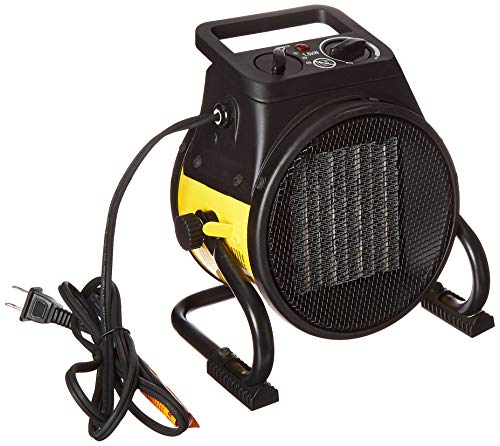
Type: 1500W PTC electric forced-air heater. Ideal For: Garages, workshops, small commercial spaces.
The Dura Heat EUH1465 Delivers powerful forced air from a compact steel body. Its 1500W PTC ceramic heating element produces quick warmth while the built-in blower circulates hot air for more even distribution than a radiant-only unit. The heater offers a heat mode and fan-only mode, increasing year-round versatility.
Notable Features: rugged steel construction for workshop use; pivoting base to aim airflow; selectable heat and fan-only settings. The design favors durability and targeted forced-air heating rather than quiet residential operation.
Bluegrass Living Propane Vent Free Infrared Heater With Blower

Call 888-896-7031 for Free Local HVAC Quotes – Compare and Save Today!
Type: Vent-free propane infrared heater with integrated blower. Ideal For: Large rooms, garages, or spaces where vent-free gas is permitted.
This Bluegrass Living model Uses infrared heating plus a blower to push warm air into the room while still providing the radiant warmth typical of infrared units. Rated for substantial BTU output and designed to heat wide areas, it includes a thermostat control to cycle the burner and maintain set temperature.
Notable Features: high BTU output for wide coverage; built-in thermostat for automatic cycling; vent-free design eliminates need for flue. Consider local codes and indoor air quality requirements before choosing a vent-free gas heater.
Dreo Space Heater, Portable Electric With Thermostat And Remote

Type: 1500W PTC electric space heater with fan, digital thermostat and remote. Ideal For: Bedrooms, offices, and living rooms requiring precise temperature control.
Dreo Combines an advanced PTC heating element and a designed air funnel to move warm air farther than many compact heaters. The unit emphasizes precision thermostat control with small temperature increments, plus safety features including tilt detection, overheat protection, and flame-retardant materials.
Call 888-896-7031 for Free Local HVAC Quotes – Compare and Save Today!
Notable Features: rapid heat-up and enhanced air circulation; fine-grain thermostat (1°F increments); remote control and multiple modes. The emphasis is on energy-efficient, controlled heat distribution with built-in safety systems.
BLACK+DECKER Portable Space Heater With Carry Handle

Type: Compact electric fan heater with two heat settings and fan-only mode. Ideal For: Desktops, dorm rooms, or small personal spaces.
The BLACK+DECKER unit focuses on portability and simple forced-air heating. Weighing only a few pounds with an integrated carry handle, it provides quick local warmth and a fan option for summer use. The adjustable thermostat and two power settings let users balance comfort and energy use.
Notable Features: very lightweight and portable; low and high heat plus fan-only mode; compact footprint for tight spaces. The design prioritizes ease of transport and quick personal heating rather than whole-room distribution.
WINHL 17″ Electric Heater With Oscillation And Remote

Type: 1500W ceramic heater with high-performance fan and 70° oscillation. Ideal For: Medium to large rooms where spread of heated air is needed.
The WINHL model Uses a PTC ceramic element and a dedicated fan to accelerate heat distribution. The oscillation feature broadens coverage by sweeping warm air across a wider angle. It includes multiple power levels and a smart thermostat to adjust output to ambient conditions.
Notable Features: 70° oscillation for improved distribution; remote and timer for convenience; three power levels for flexible control. The focus is on even forced-air heating with programmable convenience features.
Buying Guide: Choosing A Space Heater With A Blower
The right blower-equipped space heater depends on the room size, fuel type, safety considerations, and distribution needs. Use the sections below to compare perspectives and narrow options.
Heating Performance And Room Size
- Small Rooms (Under 150 sq ft): Compact electric fan heaters and personal PTC units provide quick warmth. Focus on portability and adjustable thermostat.
- Medium Rooms (150–400 sq ft): Look for 1500W PTC heaters with a strong fan or oscillation to circulate air across the space.
- Large Spaces (400+ sq ft): Consider higher BTU gas models or multiple electric units. Vent-free gas infrared units can deliver greater sustained heat in permissive jurisdictions.
Fuel Type And Installation
- Electric (PTC/Ceramic): Simple plug-and-play operation, no combustion byproducts, best for indoor use where venting or gas lines aren’t desired.
- Propane/Natural Gas (Vent-Free Infrared): Higher heat output and lower operating cost in some scenarios, but requires compliance with local codes and attention to indoor air quality and ventilation.
- Forced-Air vs Radiant: Forced-air blowers move warm air quickly and provide even temperature mixing. Infrared radiant heaters warm objects and people directly; combining blower plus infrared can improve perceived heat distribution.
Safety Features To Prioritize
- Tip-Over Protection: Crucial for portable units—automatic shutoff if tipped.
- Overheat Protection: Prevents sustained high internal temperatures and reduces fire risk.
- Oxygen Depletion Sensor (ODS): Required on many indoor gas heaters to shut off if oxygen levels fall.
- Stable Mounting/Construction: Heavy bases or mounting brackets reduce accidental movement for workshop or garage models.
Air Distribution And Noise Considerations
- Blower Strength: Higher CFM or designed air-funnel systems will push heat farther; useful for larger rooms.
- Oscillation: Sweeping motion spreads heated air, reducing hot/cold spots.
- Noise Level: Workshop-focused forced-air heaters may be louder than home-oriented tower units. Check dB specs or product descriptions for quiet operation if noise matters.
Controls, Automation, And Convenience
- Thermostat Precision: Fine-grain temperature control saves energy and maintains comfort; look for 1°F increments if available.
- Remote/Timer: Useful for daily scheduling and hands-off adjustments.
- Modes: Fan-only and multiple heat modes increase year-round usability.
Durability And Placement
- Materials: Steel-bodied heaters withstand workshops and garages; plastic housings are lighter for bedrooms and offices.
- Mounting Options: Some ventless or infrared models include wall-mount hardware and base feet for floor placement—consider where airflow and clearance will be best.
- Portability: Carry handles and light weight matter if you move the heater room to room.
Local Codes And Indoor Air Quality
- Vent-Free Gas: Check local building codes and manufacturer guidance before installing a ventless propane or natural gas heater indoors.
- Ventilation: Even efficient gas units can affect indoor air composition; ensure adequate ventilation and monitor for odors or excessive humidity.
Comparison Perspectives
- Workshop/Commercial: Prefer rugged forced-air units (steel body, pivoting base) for durability and directed airflow.
- Whole-Room Comfort: Choose oscillating, high-CFM electric PTC models or vent-free gas heaters if allowed and ventilation is managed.
- Personal/Desk Use: Compact, low-noise fan heaters with carry handles are best for targeted warmth.
- Energy Efficiency: Thermostat-enabled units often use less energy by cycling and maintaining setpoints.
Final Consideration: Match fuel type, blower capacity, and safety features to your space and local regulations. Prioritize safety interlocks for combustion heaters and tip-over/overheat protection for portable electrics.
Tips for Getting the Best HVAC Prices
- Prioritize Quality Over Cost
The most critical factor in any HVAC project is the quality of the installation. Don’t compromise on contractor expertise just to save money. - Check for Rebates
Always research current rebates and incentives — they can significantly reduce your overall cost. - Compare Multiple Quotes
Request at least three estimates before making your choice. You can click here to get three free quotes from local professionals. These quotes include available rebates and tax credits and automatically exclude unqualified contractors. - Negotiate Smartly
Once you've chosen a contractor, use the proven strategies from our guide — How Homeowners Can Negotiate with HVAC Dealers — to get the best possible final price.