
Choosing a space heater with reliable safety shut off features can reduce fire and burn risks in homes and offices. Below is a concise comparison of selected models that include overheating protection, tip-over shutoff, or automatic timers. The table summarizes core attributes to help you scan options quickly.
| Product | Power / Modes | Safety Features | Best For |
|---|---|---|---|
| GiveBest Portable Electric Space Heater | 1500W / 750W, fan | Overheat shutoff, tip-over, thermostat cycling | Compact desk or small room |
| Vornado MVH Space Heater | 3 Heat Settings | Cool-touch, tip-over, auto shut-off | Whole-room circulation in small–medium rooms |
| Dreo Space Heater (PTC) | 1500W, thermostat, timer, oscillation | Tip-over, overheat, 12/24-hr auto power off, ETL materials | Bedrooms, offices, larger coverage |
| MORENTO Desk Heater | 1500W / 900W, ECO mode | Auto shutdown on overheat or tip-over, 24-hr auto off | Desk or personal space with ECO control |
| Pereysi 1000W Personal Heater | 1000W / 700W / fan | Overheat & tip-over protection, thermostat control | Low-wattage personal heating for offices |
Content Navigation
GiveBest Portable Electric Space Heater

This compact ceramic heater offers two heat levels (1500W, 750W) plus a cool fan mode. The thermostat cycles between off and on to maintain a preset temperature and can be adjusted from 0°F to 158°F. Safety features listed include flame retardant materials, automatic safety shutoff for overheating, and tip-over protection that cuts power when knocked over. The unit is designed for portability with a built-in handle and is rated for coverage up to about 200 square feet. The control layout is simple, making it suitable for desk or small-room use where automatic shutoff is important.
Vornado MVH Space Heater
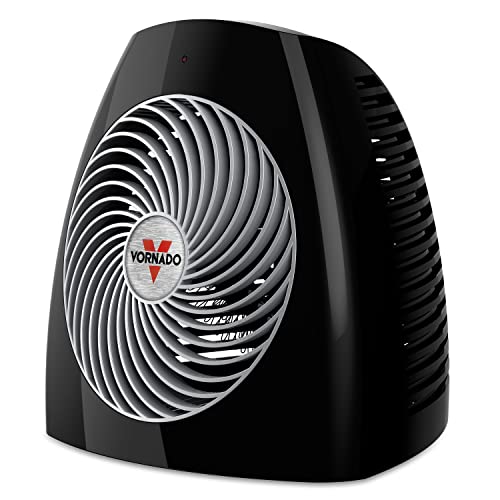
The Vornado MVH uses vortex circulation to gently heat all the air in a small to medium room rather than blasting intense directed heat. It offers three quiet heat settings and an adjustable thermostat. Safety-oriented design includes a cool-touch exterior, tip-over protection, and automatic safety shut-off. The manufacturer emphasizes even room circulation instead of localized heating, which can improve perceived comfort at lower thermostat settings. This model is positioned for users seeking whole-room airflow plus integrated safety mechanisms to prevent overheating or accidents.
Dreo Space Heater With Thermostat

Call 888-896-7031 for Free Local HVAC Quotes – Compare and Save Today!
The Dreo PTC ceramic heater lists ETL-certified safety and multiple protections including tip-over and overheat protection, a 12-hour timer, and a 24-hour automatic power-off option. It features 1500W fast heating, 70° oscillation, and a thermostat for temperature control. The design uses V0 flame-retardant materials and a sturdy flat power cord; the product listing specifically advises plugging directly into the wall rather than using an extension cord. With noise levels advertised near 34 dB and a coverage claim around 200 sq. ft., the Dreo prioritizes quiet operation alongside layered safety shutoff capabilities.
MORENTO Space Heater For Desk

MORENTO markets a 2-in-1 heater and fan with dual heat settings (1500W and 900W) plus an ECO mode that auto-selects optimal power based on the set and ambient temperatures. Safety features include a built-in automatic shutdown for overheating or tip-over and a 24-hour auto-off after continuous operation. The LED display includes countdown behavior on power-off for residual heat. The ECO mode and automatic shutdown functions are intended to balance energy use and safety, making this unit a fit for desktop or personal-zone heating where automatic safety cutouts are desired.
Pereysi 1000W Small Space Heater

The Pereysi compact ceramic heater is specified as a personal heater with 1000W maximum output and lower 700W setting, plus a fan mode labeled as natural wind. It contains an adjustable thermostat and safety protections for overheating and tip-over. The lower wattage options make it suitable where circuit load or energy consumption is a concern, and the thermostat control aims to maintain comfort while minimizing run time. As a personal or desk heater, its safety shutoff mechanisms are a primary feature for unattended or close-quarters use.
Buying Guide: How To Choose A Space Heater With Safety Shut Off
When evaluating space heaters for reliable safety shut off, consider the specific protections, certification, intended coverage area, and operational controls. This guide outlines the most important factors and comparison perspectives to inform a safe purchase decision.
Call 888-896-7031 for Free Local HVAC Quotes – Compare and Save Today!
Core Safety Features To Prioritize
- Tip-Over Protection: Ensures the heater cuts power if the unit tips or is knocked over. This is essential for homes with pets, children, or frequent foot traffic.
- Overheat / Automatic Shutoff: Internal sensors detect excessive component temperatures and cut power to reduce fire risk. Look for explicit overheat protection in the product features.
- Certified Materials and Listings: ETL, UL, or CSA listings indicate third-party testing for electrical safety. Flame-retardant housing (e.g., V0-rated) provides additional safety assurances.
- Cool-Touch Exterior: A cool-touch case reduces burn risk if the unit is bumped or touched during operation.
- Automatic Timers / Auto Off: Built-in timers or 24-hour automatic power-off reduce the chance of prolonged unattended operation.
Heating Performance And Coverage
Match the heater’s output to the room size. Small personal heaters (700–1000W) are suitable for desks and close-range use. Standard plug-in ceramic heaters at 1500W generally cover up to about 200 square feet under ideal conditions. For whole-room circulation, models emphasizing airflow (vortex or oscillation) distribute heat more evenly than directional ceramic units.
Controls And Thermostat Behavior
- Adjustable Thermostat: Keeps temperature within a set range by cycling the heating element, reducing energy use and avoiding constant high-heat operation.
- Heat Levels / ECO Mode: Multiple settings and smart ECO functions can lower runtime while maintaining comfort.
- Remote / Timers: Remote controls and programmable timers support safer operation by minimizing user interaction and enabling scheduled shutoff.
Energy Use And Electrical Considerations
Most plug-in space heaters use either 1500W or lower wattages. Verify that the circuit you intend to use can handle the heater plus other devices. Avoid using heaters with extension cords unless the manufacturer explicitly allows a heavy-duty cord; many safety notices recommend plugging directly into the wall to reduce voltage drop and overheating risks.
Placement And Installation Best Practices
- Position on a flat, hard, non-flammable surface at least several feet from curtains, bedding, or furniture.
- Do not block air intake or outlet grills; restricted airflow can trigger overheating protection or reduce efficiency.
- Keep heaters away from water sources (bathrooms, sinks) unless specifically rated for such environments.
- Unplug when not in use unless the model is designed and tested for continuous unattended operation with an explicit auto-off feature.
Comparison Perspectives
Compare models across these dimensions: (1) safety certifications and listed protections, (2) heating method (PTC ceramic vs. vortex circulation), (3) control features (thermostat accuracy, timer, ECO mode), (4) noise level for bedroom use, and (5) portability and size. For example, PTC ceramic heaters often heat quickly and include multiple internal sensors, while circulation models like Vornado emphasize even room-wide warmth with a cool-touch housing.
Use Cases And Recommendations
- Personal Desk Or Office: Choose lower-wattage ceramic units with tip-over and overheat protection for close proximity use.
- Bedroom Use: Prioritize quiet operation, timer auto-off, and ETL certification. Avoid leaving a heater running unattended unless the model explicitly supports safe long-duration operation.
- Whole-Room Heating: Look for oscillation or vortex circulation and an adjustable thermostat to maintain even temperature without high surface heat.
- Energy-Conscious Buyers: Select units with ECO modes or accurate thermostats to reduce run time and energy consumption.
Maintenance And Safe Operation Tips
- Regularly clean intake grills and fan blades per the manual to prevent dust buildup and maintain airflow.
- Test tip-over switches occasionally by following manufacturer guidance to ensure functionality.
- Replace or service units that emit unusual smells, smoke, or inconsistent operation; do not attempt internal repairs unless authorized by the manufacturer.
Prioritizing certified safety features and appropriate sizing ensures the heater you choose will provide warmth while reducing risk. Look for clear statements on tip-over and overheat automatic shutoff, third-party certification, and suitable control features for the intended room and usage pattern.
Tips for Getting the Best HVAC Prices
- Prioritize Quality Over Cost
The most critical factor in any HVAC project is the quality of the installation. Don’t compromise on contractor expertise just to save money. - Check for Rebates
Always research current rebates and incentives — they can significantly reduce your overall cost. - Compare Multiple Quotes
Request at least three estimates before making your choice. You can click here to get three free quotes from local professionals. These quotes include available rebates and tax credits and automatically exclude unqualified contractors. - Negotiate Smartly
Once you've chosen a contractor, use the proven strategies from our guide — How Homeowners Can Negotiate with HVAC Dealers — to get the best possible final price.