
Cold-weather starts can affect performance and wear on sprint car engines. This guide reviews five engine heaters and pads suited to high-performance race and street engines, highlighting features, compatibility, and installation considerations so you can choose the right heater for your needs.
| Product | Type | Key Feature |
|---|---|---|
| Dynamite Nitro Engine Heater 12V DC DYNE1600 | 12V Nitro Heater | Designed For Nitro Engines, 12V DC |
| Zerostart 3100057 Engine Block Heater | Immersion Block Heater | 1-5/8″ Diameter, 120V, 600W |
| Zerostart 3100039 Engine Block Heater | Immersion Block Heater | 1-1/2″ Diameter, 120V, 600W |
| Rsept Silicone Engine Oil Heater Pad | Magnetic Pad | Waterproof Silicone, 120W Pad |
| Facon 5″ x 4″ Engine Oil Pan Heater Pad | Adhesive Pad | Thermostatically Controlled, 50W |
Content Navigation
Dynamite Nitro Engine Heater 12V DC DYNE1600
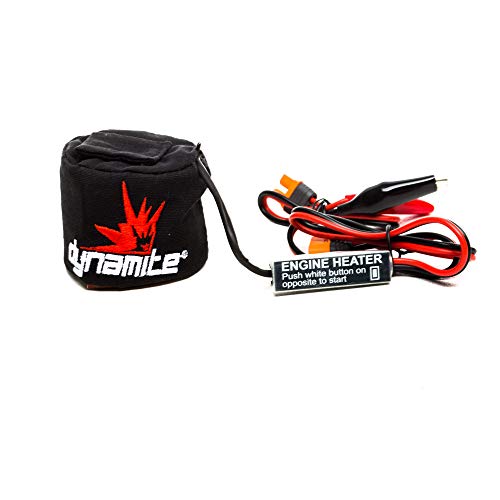
The Dynamite DYNE1600 is a 12V DC engine heater tailored for nitro and small engine applications. It is marketed for use with gas cars and trucks as a portable heating solution where 120V supply is not available.
Features referenced include the model designation Dynamite 12V DC Nitro Engine Heater, DYNE1600. This implies a design optimized for fuel and nitro setups and for vehicles or trailers where a 12V accessory supply can be used. For sprint car teams using trailers or tow rigs without shore power, a 12V option can be practical.
Considerations: 12V units typically provide lower wattage than 120V immersion heaters and may require longer warm-up times. Confirm compatibility with your engine layout and whether mounting or adapter hardware is needed for secure placement near the carburetor, intake, or oil pan.
Zerostart 3100057 Engine Block Heater 1-5/8″
Call 888-896-7031 for Free Local HVAC Quotes – Compare and Save Today!
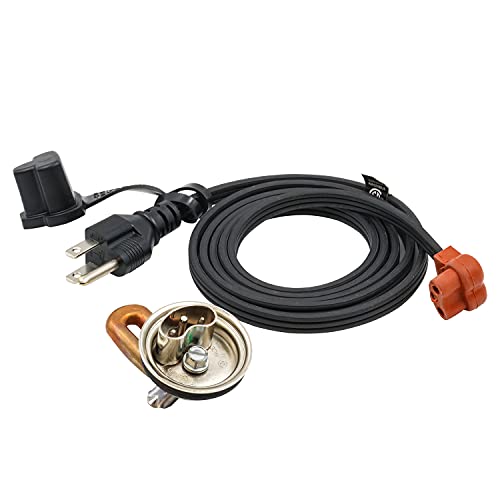
The Zerostart 3100057 is an immersion block heater rated at 120 volts and 600 watts, with a 1-5/8-inch diameter designed for specific makes and models. It aims to reduce engine wear and ensure quicker winter starts.
Referenced features include: Ensure quick winter starts and reduce engine wear and compatibility with Buick, Cadillac, Chevrolet, Ford, Mercury, Lincoln, Jeep, Pontiac, Continental, Oldsmobile. The 1-5/8-inch diameter is a key sizing detail for selecting the correct freeze plug opening or threaded port in the engine block.
Installation notes: Block heaters provide direct coolant heating when mounted in the block or freeze plug location, delivering efficient warm-up for the entire engine. Verify thread/diameter match to your engine and plan for electrical routing to shore power at the garage or pit area.
Zerostart 3100039 Engine Block Heater 1-1/2″

The Zerostart 3100039 is similar in function to the 3100057 but uses a 1-1/2-inch diameter for a different range of engine applications. It is also CSA approved, 120V, 600W, and intended to improve cold-start performance.
Features highlighted: Ensure quick winter starts and reduce engine wear, suitable for Buick, Cadillac, Chevrolet, Ford, Lincoln, Navistar, Jeep, Mazda. Size is the main differentiator for compatibility, so accurate measurement of the block port or freeze plug hole is essential.
Call 888-896-7031 for Free Local HVAC Quotes – Compare and Save Today!
Performance perspective: Immersion heaters deliver uniform heat to engine coolant, which helps temperature-sensitive components like bearings and seals. For sprint cars with custom blocks or non-standard ports, verify whether an aftermarket adapter or threaded freeze plug exists to accept this heater.
Rsept Engine Heater Silicone Oil Pan Pad 120W

The Rsept heater is a silicone oil pan pad that adheres or is mounted magnetically to the oil pan, providing localized heating to keep engine oil viscous in cold conditions.
Referenced features: package contains two heaters with 70-inch wires, made of high quality silica gel, waterproof and oil proof, and claims fast heating and improved lubrication. It is described as improving lubrication and reducing wear by keeping fluids warm.
Use-case notes: Pad heaters are flexible and can be placed on the oil pan, transmission pan, or other large metal surfaces. They are often easier to retrofit than block heaters and can be effective for keeping oil temperature up between runs. Ensure secure mounting and route the power cord away from moving or hot components.
Facon Engine Oil Pan Heater Pad 5″ x 4″ Thermostat

The Facon pad is a compact, thermostatically controlled silicone heater designed for oil pans and similar surfaces. It operates at 120V and 50 watts and includes a 3M self-adhesive backing plus a silicone sealer.
Features cited: Size 5” x 4”, 120V AC 50Watt, waterproof silicone, thermostat set to turn off around 190°F, and designed for oil pan, fuel tank, or reservoir heating. The built-in thermostat helps avoid overheating and can allow for short pre-heating cycles.
Practical considerations: Lower wattage and thermostat control make this pad suitable for targeted pre-heating when you need to keep oil viscosity manageable without large power draw. Adhesive mounting provides a clean installation but verify surface cleanliness and compatibility before applying.
Buying Guide
This buying guide compares heater types, electrical requirements, fitment, heat distribution, and installation considerations so sprint car teams and operators can match a heater to their vehicle and operation style.
Heater Types And How They Work
- Immersion Block Heaters: Installed in a freeze plug or threaded port to heat coolant directly. Provide even thermal distribution through the cooling system and warm the block and internal components efficiently.
- Oil Pan/Pad Heaters: Flexible pads or adhesive heaters attached to the oil pan or gearbox. Focused on keeping oil warm for quick lubrication on start-up and are easy to retrofit.
- 12V Portable Heaters: Lower-power portable heaters designed for nitro or small engines. Useful when 120V supply isn’t available but typically deliver slower warm-up and lower final temperatures.
Power Source And Wattage
- 120V, 600W+ (Block Heaters) offer robust heating for rapid warm-up and are ideal when shore power is available in the garage or pit area.
- Lower Wattage Pads (50W–150W) are effective for surface heating and maintaining oil temperature with modest power draw; useful for quick pre-heats or when power is limited.
- 12V Options are convenient in-field but expect longer warm-up times. Consider battery capacity or alternator support if used while preparing engines in trailers.
Compatibility And Fitment
- For immersion heaters, measure the freeze plug or threaded port diameter precisely; Zerostart models are sold by diameter (1-5/8″, 1-1/2″).
- Pad heaters require a flat clean metal surface and secure attachment. Magnetic pads or adhesive-backed pads each have pros and cons based on vibration and servicing needs.
- Confirm model fit using the manufacturer’s catalog or part lookup when choosing block heaters for specific engine makes and blocks.
Installation And Safety
- Professional Installation is recommended for immersion heaters to ensure proper sealing and electrical safety.
- Pad heaters should be installed on a clean surface and routed to avoid exhaust, belts, or sharp edges. Use included silicone sealer where specified.
- For any heater, ensure proper electrical protection — GFCI where applicable, and secure cable routing to prevent heat or abrasion damage.
Performance Perspectives
- Warm-Up Speed: Immersion heaters generally warm the entire engine faster than pad heaters. Pads are focused on oil and may not heat bearings or block as quickly.
- Thermal Distribution: Block heaters heat coolant which distributes heat to water jackets and surfaces, helping overall engine temperature uniformity.
- Operational Flexibility: Pad heaters and 12V units are portable and adaptable for trailers or race-day quick-prep scenarios where shore power is unavailable.
Durability And Environment
- Silicone and PTC materials resist oil, vibration, and weather; select waterproof and oil-proof rated pads for underbody applications.
- CSA/UL approvals and manufacturer safety claims are important for electrical reliability in workshop and pit settings.
Comparison Checklist Before Buying
- Does the heater type match your goal: coolant warming (block) vs. oil warming (pad) vs. portable pre-heat (12V)?
- Is the electrical supply at your garage/pit compatible with the heater wattage and voltage?
- Will the heater physically fit (freeze plug diameter, pan surface area) and remain secure under race conditions?
- Are safety approvals and thermostatic control required for your environment?
- Have you planned proper installation and cable routing to prevent damage?
Choosing the right engine heater involves balancing heat output, fitment, and available power. Immersion heaters deliver comprehensive warming for winter starts, while pad heaters and 12V units offer flexible, less invasive options for targeted oil heating or on-the-go preparation.
Tips for Getting the Best HVAC Prices
- Prioritize Quality Over Cost
The most critical factor in any HVAC project is the quality of the installation. Don’t compromise on contractor expertise just to save money. - Check for Rebates
Always research current rebates and incentives — they can significantly reduce your overall cost. - Compare Multiple Quotes
Request at least three estimates before making your choice. You can click here to get three free quotes from local professionals. These quotes include available rebates and tax credits and automatically exclude unqualified contractors. - Negotiate Smartly
Once you've chosen a contractor, use the proven strategies from our guide — How Homeowners Can Negotiate with HVAC Dealers — to get the best possible final price.