
Finding The Right Heater For Your Street Rod Or Garage can mean balancing vehicle‑safe solutions, workspace heating, and engine protection. Below is a quick comparison table of the top picks in this guide followed by detailed product sections and a practical buying guide.
| Product | Primary Use | Key Feature |
|---|---|---|
| Mr. Heater Portable Buddy MH9BX | Portable Vehicle/Garage/Workshop Heat | 4,000–9,000 BTU Radiant Heat, Indoor‑Safe |
| DR. INFRARED Heater DR-238 | Indoor/Outdoor Infrared Garage Or Patio | IP55 Rated, 3 Power Settings, Remote |
| Mr. Heater Big Maxx MHU50NG | Natural Gas Unit Heater For Large Spaces | 50,000 BTU, Vented Options |
| Mr. Heater Big Maxx MHU80NG | High Capacity Natural Gas Garage Heater | 80,000 BTU, 2000 Sq. Ft. Coverage |
| A‑Team Performance Spark Plug Heat Shield | Engine Bay Heat Protection | 1,200°F Rated Braided Sleeving |
Content Navigation
Mr. Heater Portable Buddy MH9BX
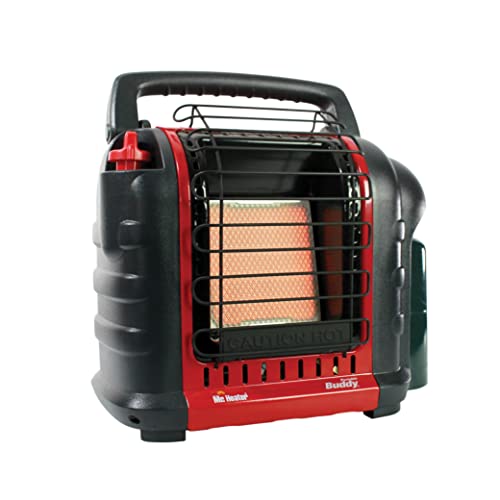
Intended Use: Portable radiant heater for workshops, garages, and quick spot‑heating around a vehicle. The unit is designed for propane and engineered for close, direct heat delivery.
Key Features Referenced: Advanced infrared radiant heating that directly warms objects and people, adjustable output from 4,000 to 9,000 BTU, improved tip‑over safety switch and a Piezo igniter for matchless start.
This unit is an objective match where portable, on‑demand radiant heat is required. Radiant technology warms surfaces and occupants rather than the air, which is advantageous in drafty garages or when you need immediate warmth during short jobs. Safety features reduce risk of accidental operation, and output range supports small to medium spaces up to the stated coverage. Consider ventilation requirements and fuel source availability when using indoors.
Dr Infrared Heater DR-238 Carbon
Call 888-896-7031 for Free Local HVAC Quotes – Compare and Save Today!
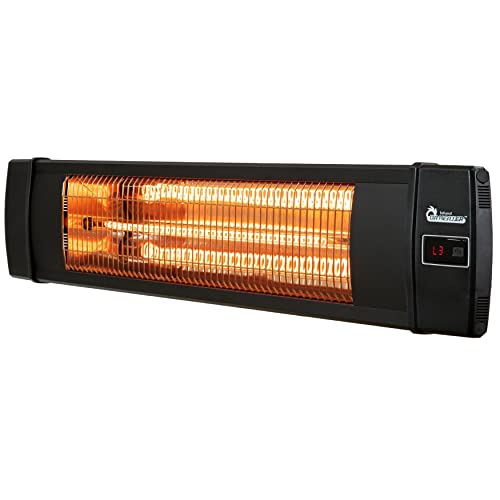
Intended Use: Versatile indoor/outdoor infrared heater for patios, decks, and garages that require weather‑resistant performance.
Key Features Referenced: IP55 approval for indoor and outdoor use, three power settings (900W, 1200W, 1500W), remote control, and standard 120V plug for plug‑and‑play operation.
This heater is optimized for fixed placement on a wall or under eaves where a clean, instant, and odorless infrared source is preferred. The IP55 rating makes it suitable for covered outdoor areas and semi‑exposed garage spaces, while multiple watt settings let you scale heat output. Use cases include warming a work area near a street rod or keeping a customer patio warm while working on a show car. Evaluate mounting position and clearance requirements before installation.
Mr. Heater F260550 Big Maxx MHU50NG
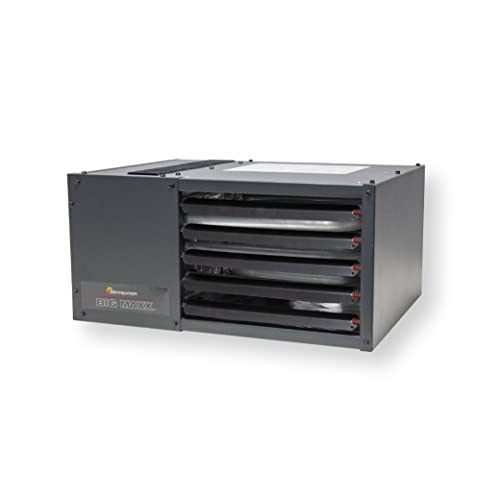
Intended Use: Permanent natural gas heater for large garages or shop spaces where sustained, high output heating is required.
Key Features Referenced: 50,000 BTU capacity suitable for up to roughly 1,250 sq. ft., powered exhaust allowing vertical or horizontal venting, and convenient outside access to thermostat and gas connections.
Call 888-896-7031 for Free Local HVAC Quotes – Compare and Save Today!
This model is aimed at owners converting a workspace or large garage into a reliably heated area for restoration and maintenance. The powered exhaust and multiple venting orientations add installation flexibility. Because it is a category‑rated gas unit, confirm local code compliance, required clearances, and professional gas hookup. It provides steady ambient heat that is practical for long-duration projects on street rods where battery or portable fuel is not ideal.
Mr. Heater F260560 Big Maxx MHU80NG
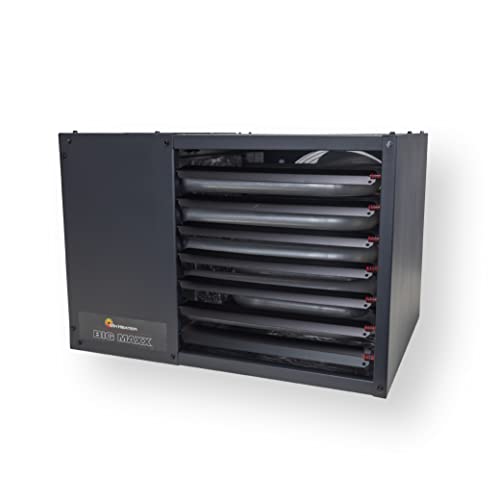
Intended Use: High‑capacity natural gas heater for large garages or commercial bays where coverage and continuous heat are priorities.
Key Features Referenced: 80,000 BTU output covering up to 2,000 sq. ft., includes angle brackets and LP conversion kit with category‑rated venting for vertical or horizontal installation.
This unit is suitable for larger restoration shops or multiple‑bay garages servicing several vehicles. Its high BTU rating yields faster recovery and consistent ambient temperature across bigger volumes. Installation planning should include clearance (minimum distances noted by the manufacturer), appropriate venting, and verification of natural gas supply capacity. The high output approach is effective when maintaining a workshop environment for prolonged restoration seasons.
A‑Team Performance Spark Plug Heat Shield

Intended Use: Engine bay protection for spark plug wires and boots in hot rod and street rod engines exposed to high under‑hood temperatures.
Key Features Referenced: Braided fiberglass sleeving rated up to 1,200°F, double‑wall construction, flexible fit for 45°, 90°, and straight boots, supplied as an 8‑piece set, 6″ lengths.
Rather than providing ambient heat, this component addresses heat management by protecting ignition wiring from radiant and conductive heat in performance engines. It can prevent misfires and prolong wire life when headers or exhaust routing place extreme heat near plug wires. Compatibility with common V8 platforms makes it a practical preventative item for street rod builds. Consider sleeve length and routing paths when installing.
Buying Guide: How To Choose A Heater For Your Street Rod Or Garage
Selecting the right heating approach requires evaluating the vehicle, workspace, and operation patterns. Below are objective factors and comparison perspectives to guide a purchase.
1. Purpose And Use Case
- Vehicle Interior Heating: If you need heat inside the car for a short drive, factory or aftermarket in‑car heaters (not shown in this list) are designed for vehicle HVAC integration.
- Spot Heating During Work: Portable radiant or ceramic heaters (like the Portable Buddy) deliver immediate warmth to an occupant or technician without heating the entire volume.
- Whole Shop/Garage Heating: Natural gas unit heaters (Big Maxx series) or electric forced air are better where sustained, large‑volume heat is required.
2. Heat Type: Radiant vs. Convection
- Radiant Heat: Heats objects and people directly — efficient for spot warming and short‑duration tasks. Less effective at uniformly warming large volumes.
- Convection Heat: Warms the air, producing even ambient temperature through the space — better for long projects and large garages but slower to respond.
3. Fuel Source And Ventilation
- Electric Units: Simple plug‑in installation and no combustion byproducts. Consider available circuit capacity and power draw.
- Propane/LP Portable: Good for mobility; requires attention to indoor safety limits and ventilation when used inside enclosed spaces.
- Natural Gas Unit Heaters: Provide high output and lower operating cost for continuous use but require professional gas hookup, venting, and code compliance.
4. Safety Features
- Look for tip‑over shutoffs, overheat protection, and certified indoor use ratings where combustion is present.
- Check clearance and mounting requirements, especially for high‑BTU gas units to maintain safe operation.
5. Installation And Mounting
- Portable units: Minimal setup but consider fuel storage and safe placement away from flammable materials.
- Wall/Ceiling mounted heaters: Offer space‑saving permanent solutions; consider structural supports and service access.
- Professional Installation: Recommended for gas units to ensure correct venting and gas line connections.
6. Durability And Environmental Ratings
- IP ratings and weatherproofing matter for heaters used in semi‑outdoor garages or undercarriage covers.
- Materials and finish should resist corrosion if the heater will encounter moisture or road salts near the workspace.
7. Engine Bay Heat Management
- Protective components such as spark plug boot heat shields reduce the risk of ignition issues caused by excessive under‑hood temperatures.
- Evaluate sleeve temperature rating, sleeve length, and flexibility to match routing requirements in tight engine bays.
8. Sizing And Output Comparison
- Match heater capacity (BTU or wattage) to the workshop volume. As a rule of thumb, higher BTU is needed for larger or less insulated spaces.
- For intermittent use, radiant spot heat can be more energy efficient than heating the whole garage.
9. Maintenance And Longevity
- Consider ease of cleaning, filter access (if applicable), and availability of replacement parts.
- Gas units may need periodic inspection of burners and venting; electric units typically need less service.
10. Practical Comparison Checklist
- Do You Need Portability Or Permanent Installation?
- Will You Be Heating A Person, A Vehicle, Or An Entire Space?
- Is Natural Gas Available, Or Is Electric/Propane Preferred?
- What Safety Mechanisms Are Required For Your Environment?
Using the perspectives above will help identify whether a portable radiant heater, a weather‑rated infrared model, a high‑capacity natural gas unit, or engine‑focused heat protection is the right fit for your street rod projects and garage environment.
Tips for Getting the Best HVAC Prices
- Prioritize Quality Over Cost
The most critical factor in any HVAC project is the quality of the installation. Don’t compromise on contractor expertise just to save money. - Check for Rebates
Always research current rebates and incentives — they can significantly reduce your overall cost. - Compare Multiple Quotes
Request at least three estimates before making your choice. You can click here to get three free quotes from local professionals. These quotes include available rebates and tax credits and automatically exclude unqualified contractors. - Negotiate Smartly
Once you've chosen a contractor, use the proven strategies from our guide — How Homeowners Can Negotiate with HVAC Dealers — to get the best possible final price.