
Camping in cold weather requires planning for safe, effective heat. This guide compares portable heaters and battery-powered alternatives suited for tents, RVs, and small shelters. The table below summarizes five relevant products selected for tent use, including propane radiant heaters, compact electric heaters, and battery-powered air/lighting options to complement warmth strategies.
| Product | Type | Primary Power | Best For |
|---|---|---|---|
| Mr. Heater Portable Buddy Heater MH9BX | Propane Radiant Heater | Propane Cylinder | Large Tent Or Outdoor Covered Areas |
| Mr. Heater F215100 MH4B Little Buddy | Propane Radiant Heater | Propane Cylinder | Small Tent Or Personal Zone |
| METKIIO Portable Mini Space Heater | Electric PTC Ceramic Heater | AC / Portable Inverter | RV, Tent With Power Or Inverter Use |
| Amazon Basics Ceramic Space Heater (Mini) | Electric Ceramic Heater | AC / Portable Inverter | Desk-Size Heating / Small Enclosed Spaces |
| FRIZCOL 3-in-1 Camping Fan (Battery) | Battery-Powered Fan & Light | Rechargeable Battery | Air Circulation, Backup Power, Lighting |
Content Navigation
Mr. Heater Portable Buddy Heater MH9BX
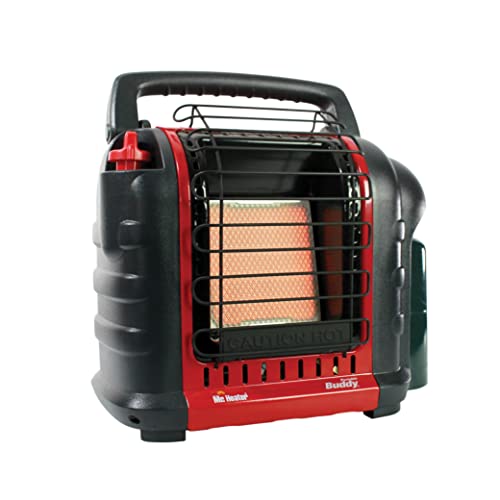
Type: Propane Radiant Heater. This unit delivers 4,000–9,000 BTU and is rated to heat up to 225 sq. ft. using infrared-style radiant output that warms objects and people rather than just air. The design is intended for portability across campers, patios, workshops, and job sites.
Key listed features include powerful radiant heat with adjustable BTU settings and an improved tip-over safety switch. It uses a durable Piezo igniter for match-free start-up and does not require batteries. Propane operation means no electrical draw, but it requires adherence to ventilation and fuel safety guidelines when used in enclosed spaces like tents.
Mr. Heater F215100 MH4B Little Buddy
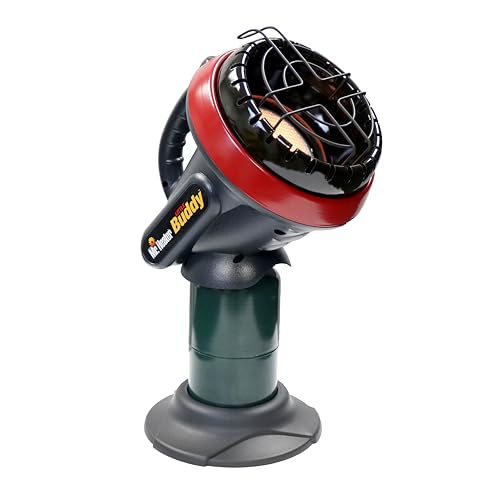
Type: Compact Propane Radiant Heater. This model provides 3,800 BTU and is designed for smaller areas up to 95 sq. ft. The Little Buddy emphasizes low-oxygen safety (ODS) and tip-over protection, making it one of the commonly cited options for enclosed spaces when proper ventilation and safety are observed.
Call 888-896-7031 for Free Local HVAC Quotes – Compare and Save Today!
Features highlight ODS automatic shut-off, patented cross-thread protection, and simple on/off controls. Runtime on a 1-lb cylinder is listed as about 5.6 hours at max BTU. As with other propane heaters, users must follow manufacturer safety instructions for tent use, including fresh air ventilation and carbon monoxide awareness.
METKIIO Portable Mini Small Space Heater
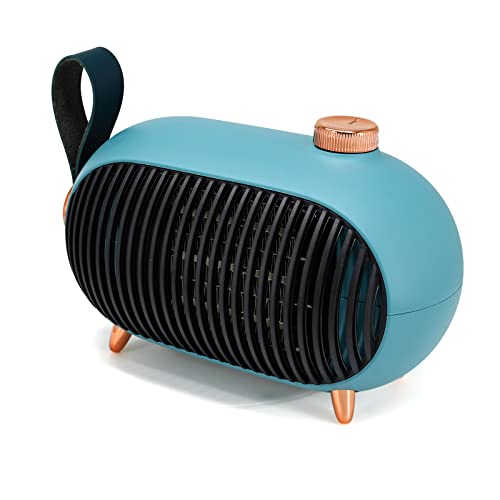
Type: Electric PTC Ceramic Heater. METKIIO lists 900W and 400W modes, plus a fan-only setting. The PTC ceramic element provides rapid warm-up and automatic overheat protection, with an automatic shutoff on overturn for added safety.
For tent camping, this heater is most applicable when an external power source is available, such as a campsite electrical hookup, inverter, or generator. The product highlights fast heating and quiet operation, with built-in safety cutoffs designed to reduce risk in enclosed or semi-enclosed spaces when used properly with ventilation and power that matches the unit’s requirements.
Amazon Basics Ceramic Space Heater, Mini

Type: Compact Electric Ceramic Heater rated at 500W. The mini form factor (approx. 5.9 x 3.2 x 6 inches) and lightweight design make it suitable for desk-level or close-proximity heating in small tents or enclosed spaces where electrical power is provided via inverter or campground outlet.
Call 888-896-7031 for Free Local HVAC Quotes – Compare and Save Today!
Features emphasize fast ceramic heating, tip-over protection, and portability at 1.4 lbs. Its low wattage may be compatible with many portable power stations but will deliver limited coverage compared to higher-BTU or higher-wattage units.
FRIZCOL 3-in-1 Camping Fan – Portable Rechargeable

Type: Battery-Powered Fan With Light And Power Bank. This product is not a heater but is included because battery-powered climate control complements heating strategies inside tents by circulating warm air, providing light, and offering emergency phone charging.
Key features include a 24,000mAh battery for extended runtime (20–140 hours depending on settings), 4-speed airflow, timers, remote control, and two levels of LED light. The unit also functions as a power bank to recharge devices, useful for powering small electric heaters via compatible inverters or running fans to move warm air from a radiant source.
Buying Guide: Choosing The Right Tent Heater Or Battery Option
When planning for tent heating, consider the following key factors to match equipment to your setup and safety requirements.
Heat Source Type
- Propane Radiant Heaters: Produce strong radiant warmth and do not require electricity. Examples include the Mr. Heater Buddy series. They are effective for larger tents and quick heating of people and objects. Require caution for ventilation and carbon monoxide monitoring.
- Electric Ceramic Heaters: Provide convective heat with built-in safety features like tip-over shutoff and overheat protection. Best when you have access to shore power, generator, or inverter-capable battery stations.
- Battery-Powered Fans & Lanterns: Do not generate heat but improve perceived comfort by moving air, reducing damp cold, and providing light and backup power. Useful paired with a safe heat source.
Power Source And Runtime
- For propane heaters, runtime is dictated by cylinder size and burn rate. Compact cylinders are convenient but require frequent replacement or spares.
- For electric heaters, calculate power draw (watts) vs. your battery or inverter capacity. A 900W heater will drain a 1000Wh power station quickly; low-wattage 400–500W units can be more compatible with mid-size batteries.
- Battery fans/lanterns with large capacity (e.g., 24,000mAh) extend comfort through long nights and can serve as power banks for devices or low-wattage accessories.
Safety Considerations
- Carbon Monoxide Risk: Propane heaters produce combustion byproducts. Use only in well-ventilated spaces and never leave unattended while sleeping without proper CO alarms.
- Tip-Over & Overheat Protection: Choose units with built-in safety shutoffs. Both propane and electric options listed include tip-over and ODS features in models described above.
- Manufacturer Guidelines: Follow tent manufacturer rules for heating inside the tent. Some tents are not rated for internal heaters due to fabric heat resistance.
Coverage And BTU/Watt Matching
- Match heater capacity to tent volume. Propane BTU ratings (e.g., 3,800–9,000 BTU) provide a guideline for square footage coverage; consider ceiling height and insulation.
- Electric heaters list wattage; higher wattage yields more heat but needs more power. For battery use, pick heaters with energy-efficient ceramic elements or lower-watt modes.
Portability And Fuel Logistics
- Propane systems require spare fuel cylinders and a safe storage plan away from occupants.
- Electric setups require compatible power stations or inverters. Confirm the inverter’s continuous output rating is higher than the heater’s draw and that surge capacity is sufficient for motor starts.
- Battery-powered fans and lights are lightweight and highly portable; they are essential for multi-night trips as auxiliary devices.
Additional Comparison Perspectives
- Efficiency: Radiant propane heaters feel warm quickly at low overall energy input, while electric convection heaters may heat the air slowly but maintain steady temperatures when supplied with sufficient power.
- Noise: Electric PTC ceramic heaters and premium fans are typically quieter than some combustion setups and generators. Consider noise constraints for campgrounds and sleeping comfort.
- Environmental Factors: Windy or damp conditions reduce the effectiveness of convective heat; radiant heat works better for localized warmth regardless of air movement.
- Maintenance & Reliability: Propane devices are mechanically simple and reliable if kept maintained; electrical devices depend on battery health and inverter reliability for off-grid use.
When selecting a tent heating strategy, weigh safety, fuel logistics, power availability, and the specific environment where you’ll camp. Pairing a safe heat source with battery-powered fans, lights, and power banks can provide a balanced system that addresses comfort, ventilation, and emergency power needs.
Tips for Getting the Best HVAC Prices
- Prioritize Quality Over Cost
The most critical factor in any HVAC project is the quality of the installation. Don’t compromise on contractor expertise just to save money. - Check for Rebates
Always research current rebates and incentives — they can significantly reduce your overall cost. - Compare Multiple Quotes
Request at least three estimates before making your choice. You can click here to get three free quotes from local professionals. These quotes include available rebates and tax credits and automatically exclude unqualified contractors. - Negotiate Smartly
Once you've chosen a contractor, use the proven strategies from our guide — How Homeowners Can Negotiate with HVAC Dealers — to get the best possible final price.