
Finding the right window film means balancing privacy, heat control, UV protection, and ease of installation. The table below summarizes five popular one-way or reflective window films chosen for their heat-blocking and daytime privacy features. Each product section below includes a focused review referencing the manufacturer’s listed features to help compare options.
| Product | Brand | Key Benefits |
|---|---|---|
| Coavas One Way Window Privacy Film | Coavas | Reflects IR, 95% UV blocking, daytime mirror privacy |
| Window Privacy Film See Out Not In | Savvy Choice | Daytime privacy, 93% UV & 85% IR blocking, removable |
| Haton One Way Window Tint | Haton | Static cling, 90% UV & 85% IR blocking, re-usable |
| HIDBEA One Way Privacy Window Film | HIDBEA | 90% UV & 85% IR blocking, static cling, daytime mirror |
| Volcanics One Way Window Privacy Film | Volcanics | Adhesive-free, daytime mirror effect, installation tools |
Content Navigation
Coavas One Way Window Privacy Film

This Coavas film emphasizes heat control and energy savings. According to the feature list, it reflects 85% of IR rays to reduce solar heat gain and can help stabilize indoor temperatures. The film also claims to block 95% of UV rays, which protects fabrics and finishes from fading.
Daytime privacy is a primary function: the mirror-like reflective surface lets occupants see out while limiting views in when exterior light is stronger. The product notes pairing with curtains or blinds for privacy when indoor light is brighter than outside.
Installation style is static cling, meaning no adhesive residue on removal. This film suits windows where daytime glare reduction, UV protection, and a reflective daytime appearance are priorities.
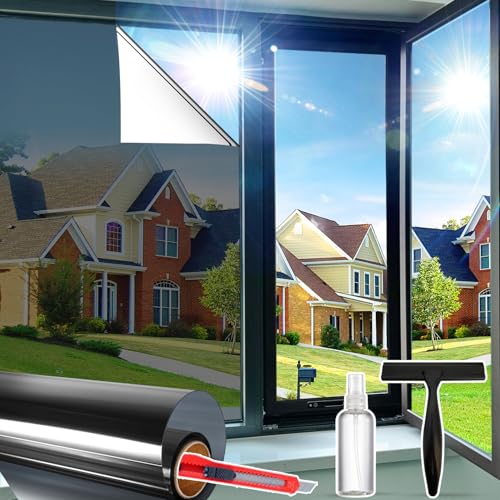
Savvy Choice One Way Privacy Film
Call 888-896-7031 for Free Local HVAC Quotes – Compare and Save Today!
Savvy Choice markets a removable one-way film focused on daytime privacy and heat control. Listed features state it blocks 93% of UV rays and 85% of IR rays, letting natural light in while reducing glare and heat transfer.
The manufacturer warns that the mirror effect is dependent on light conditions: it provides effective privacy when exterior light is stronger, but privacy can be lost at night when interior lighting is brighter. The product includes installation tools inside the tube to help with fit and application.
As a removable, reflective film, this option is suitable for renters or users who need a non-permanent solution that still offers measurable UV and IR rejection.
Haton One Way Window Tint

The Haton one-way film highlights heat control and energy savings. According to the features, the film reflects external heat and blocks 90% of UV and 85% of infrared rays, aiming to reduce interior heat gain and protect furnishings.
It uses a static cling application method that the brand describes as adhesive-free and easy to remove without residue. The product emphasizes reuse and simple water-based installation with a squeegee to smooth bubbles.
Call 888-896-7031 for Free Local HVAC Quotes – Compare and Save Today!
This film is positioned toward homeowners who want a reflective, non-permanent film that balances glare reduction with daytime privacy while offering measurable UV and IR protection.
HIDBEA Daytime Mirror Reflective Film
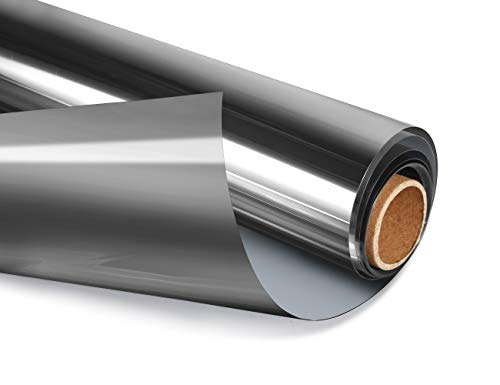
HIDBEA promotes a reflective static-cling film with a focus on UV blocking, heat control, and daytime privacy. The listed specs show it blocks around 90% of UV rays and 85% of infrared rays, aiming to reduce both fading and solar heat penetration.
The product reiterates the typical limitation of one-way films: the mirror effect is dependent on relative light levels, so it provides daytime privacy but may require curtains at night. The manufacturer provides installation instructions and suggests watching a video for best results.
It is suitable for users prioritizing daytime mirror privacy, simple removal, and static-cling installation with minimal residue risk.
Volcanics One Way Window Privacy Film

Volcanics supplies an adhesive-free one-way mirror film and emphasizes proper measurement and fit. The product features the standard daytime mirror behavior: it works when the outside is brighter than inside, but privacy can reverse under different lighting.
Manufacturers often include installation tools and note rapid application. The film reduces chemical emissions compared to adhesive films and aims for quick, removable application using static cling.
This film is aimed at buyers who want an adhesive-free, reusable film with included tools and straightforward water-squeegee installation.
Buying Guide: How To Choose The Right One Way Window Film
Selecting the proper reflective or one-way privacy film requires attention to technical performance and practical factors. Below are the main considerations to compare options objectively.
Privacy Performance
- Daytime Mirror Effect: One-way films work when the outside is brighter than inside. Expect privacy during daylight; plan for curtains or blinds at night.
- Visible Light Transmission (VLT): Lower VLT values increase mirror effect but reduce natural light. Choose a balance based on desired brightness.
Heat And UV Control
- IR Rejection: Films listing IR rejection (e.g., around 85%) reduce solar heat gain and can lower AC load.
- UV Blocking: Higher UV blocking (90%+) preserves fabrics and reduces fading; verify manufacturer claims for UV percentage.
- Solar Energy Rejection: Consider combined metrics (IR + visible + UV) to estimate total solar control; some brands list a solar energy rejection percentage.
Material & Attachment
- Static Cling vs. Adhesive: Static cling is removable and leaves no residue; adhesive films offer longer-term adherence and sometimes higher durability.
- Thickness And Durability: Thicker films can be more durable and resist tears during installation. Check gauge or microns if provided.
- Reusability: Some static-cling films can be removed and reapplied if kept clean and undamaged.
Installation Considerations
- Tools Included: Look for films that include a squeegee, measuring template, or application instructions; these reduce installation errors.
- Window Surface Prep: Clean glass thoroughly to remove dust and residues. Use soapy water and a lint-free cloth for best adhesion.
- Size And Trim: Measure window glass precisely and allow trimming margins if needed. Many sellers provide fixed roll sizes; order with care.
Visual And Operational Tradeoffs
- Day/Night Tradeoff: Be mindful that daytime privacy films will likely not provide privacy at night unless interior lighting is controlled.
- Reflectivity vs. View: Higher reflectivity increases privacy and heat rejection but may affect outward clarity or scenic views.
- Glare Reduction: Films that reduce glare help with TV and screen viewing orientation; check listed glare reduction metrics if available.
Safety, Regulations & Warranty
- Local Codes: Check local building codes or HOA rules regarding reflective films on exterior-facing windows.
- Warranty & Support: Review manufacturer warranty terms for bubbling, discoloration, or defects. Contact options and installation guides are helpful when issues arise.
- Emissions: Adhesive-free films usually have lower VOC concerns during installation and removal.
Comparison Perspectives
- For Renters: Choose static-cling, adhesive-free films that are easy to remove without residue (Coavas, Haton, Volcanics types).
- For Maximum Daytime Privacy: Seek films with lower VLT and strong reflective finishes; expect to supplement with blinds at night.
- For Energy Savings: Prioritize films listing high IR rejection and solar energy rejection percentages to reduce HVAC load.
- For Ease Of Installation: Pick options that include installation tools and clear instructions; films with installation videos reduce errors.
Using these criteria, compare manufacturer features and match them to your priorities: privacy schedule (day vs night), heat and UV protection needs, permanence, and aesthetic preferences. Each product reviewed above lists specific performance claims to support a side-by-side evaluation when making a final selection.
Tips for Getting the Best HVAC Prices
- Prioritize Quality Over Cost
The most critical factor in any HVAC project is the quality of the installation. Don’t compromise on contractor expertise just to save money. - Check for Rebates
Always research current rebates and incentives — they can significantly reduce your overall cost. - Compare Multiple Quotes
Request at least three estimates before making your choice. You can click here to get three free quotes from local professionals. These quotes include available rebates and tax credits and automatically exclude unqualified contractors. - Negotiate Smartly
Once you've chosen a contractor, use the proven strategies from our guide — How Homeowners Can Negotiate with HVAC Dealers — to get the best possible final price.