
Finding the right under carpet heater depends on room size, floor type, and whether you need active heating or passive insulation. The table below summarizes five top options that cover electric heated mats, foot-warming pads, and thermal insulating layers designed for placement beneath rugs and carpeting.
| Product | Type | Best For |
|---|---|---|
| Hot Carpet Woo Warmer High Heat Retention Felt | Electric Heated Mat | Large area rug heating, even heat retention |
| RugBuddy Speedheat 500 Under Rug Heater | Electric Heated Mat | Under-area-rug warmth for living spaces |
| Hodeamy Heated Floor Mat Under Desk | Foot Warmer Pad | Focused under-desk foot comfort |
| Second Skin Heat Wave Pro Jute With Foil | Thermal Acoustic Insulation | Radiant barrier and sound absorption |
| Design Engineering Under Carpet Lite | Thermal Insulation Layer | Lightweight under-carpet insulation |
Content Navigation
Hot Carpet Woo Warmer High Heat Retention Felt

Type: Electric heated mat designed to be placed under an area rug. The manufacturer highlights a 100% high heat retention felt construction sized 70″ x 70″.
The product is described as three times thicker than an earlier 1.0 version and claims 20% more heat directed upwards. Its flat design allows placement under rugs to provide radiant floor warmth for spaces lacking central heat. Being a large, extra-thick mat, it targets whole-rug coverage rather than point heating.
When evaluating this type of product, note the material’s heat retention and intended upward heat direction, which affect effectiveness on different floor substrates and rug pile heights.
RugBuddy Speedheat 500 Under Rug Space Heater

Call 888-896-7031 for Free Local HVAC Quotes – Compare and Save Today!
Type: Plug-in under-rug electric heater sized to fit typical area rugs (notably fits under a 6′ x 9′ rug or similar).
The product description notes the ability to be installed either side down, allowing flexibility when dealing with different floor types such as tile, wood, vinyl, or carpet. It is presented as an invisible heating solution that fits snugly beneath area rugs to provide warmth at foot level.
Key considerations for this style are safe installation under rug materials, compatibility with rug thickness, and how the unit dissipates heat when run on different floor substrates.
Hodeamy Heated Floor Mat Under Desk For Foot Warmer
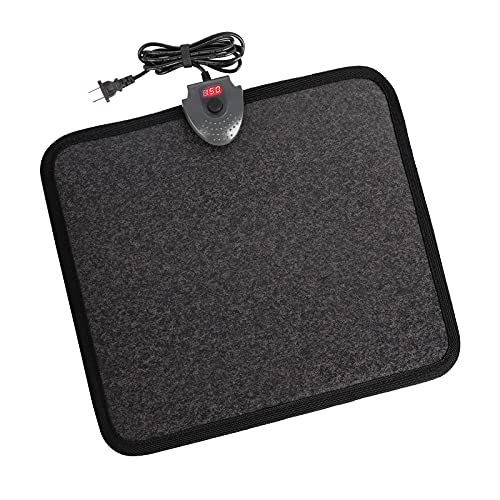
Type: Electric foot warming mat designed for under-desk use, available in a compact rectangular footprint (approx. 15.5″ x 17.7″).
Features include rapid temperature rise using carbon crystal heating material, an 8-level adjustable temperature range (approx. 80°F–150°F), and an auto shutoff after three hours. The mat surface is waterproof and wear-resistant with a non-slip silicone backing. It is promoted as suitable for carpet, concrete, and wooden floors.
Call 888-896-7031 for Free Local HVAC Quotes – Compare and Save Today!
This option suits targeted foot comfort rather than whole-room heating. Evaluate cord length, temperature control method, and safety certifications for under-furniture placement.
Second Skin Heat Wave Pro Jute With Reinforced Foil

Type: Thermal acoustic insulation layer combining jute and reinforced foil designed to act as a radiant barrier and sound absorber.
The product lists an R-value per inch stated to be about 50% better than typical home insulation (quoted around R-3.91), and it claims to reflect 97% of radiant heat. The jute core provides sound absorption while the reinforced foil layers create a radiant barrier. It is temperature rated to 250°F and can be used for under-hood, under-carpet, or headliner insulation applications.
This material is best considered when the goal is to reduce heat loss through floors or to improve acoustic comfort beneath rugs, rather than actively generating heat. Assess compatibility with adhesive or tape methods and whether a vapor barrier or fire-rating is required for your installation.
Design Engineering Under Carpet Lite 24″ x 70″
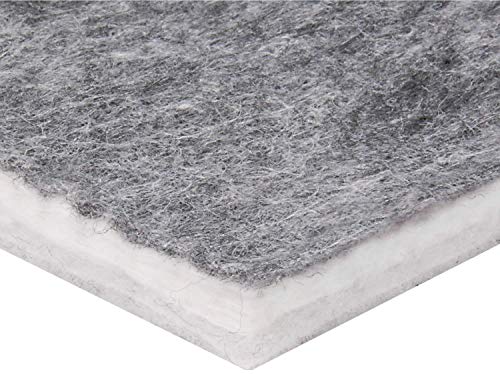
Type: Multi-layered lightweight under-carpet composite focused on thermal insulation and sound absorption, sized for narrow fit applications like truck beds, liners, or under rugs.
The material is described as flexible and designed to insulate up to 85% of unwanted heat, creating a more comfortable interior environment. Its flexible construction makes it suitable for conforming to varying shapes and for use in vehicles or small indoor areas.
As a passive under-rug solution, it helps reduce heat transfer and dampen noise. Verify thickness and compressibility relative to rug pile to avoid visible bulging or trip hazards under area rugs.
Buying Guide: How To Choose An Under Carpet Heater
Choosing between active heating mats, foot-warming pads, and passive insulation layers depends on intended use, floor construction, and safety preferences.
Heating Type And Purpose
- Active Electric Mats: Provide direct heat generation. Use for whole-rug warmth or supplemental heating where central systems are insufficient.
- Foot Warmer Pads: Targeted comfort for desks or seating areas. Efficient for spot heating and lower power consumption.
- Passive Insulation Layers: Improve thermal retention and bounce radiant heat back into a room without electricity. Best when combined with a heat source.
Floor And Rug Compatibility
- Verify whether the product is rated for placement on your floor type (wood, tile, vinyl, carpet).
- Consider rug pile thickness: thick pile may insulate too much and reduce effectiveness of an electric mat; thin rugs transfer heat more effectively.
- Check for manufacturer guidance on whether the product can be placed directly on floor, under padding, or must remain beneath a rug only.
Size, Coverage, And Fit
- Measure the area under your rug and choose a heater sized to match the rug footprint for even heat distribution.
- For foot warmers, evaluate mat dimensions to ensure it accommodates seated leg placement and chair movement.
- Insulation sheets should be sized and flexible enough to fit under the rug without creating lumps or edges that show through.
Safety And Certifications
- Look for products with safety features such as built-in overheat protection, auto shutoff timers, and flame-retardant materials.
- Confirm applicable safety certifications (e.g., ETL, UL) where available and check the product documentation for acceptable installation methods.
- Avoid covering heating elements with heavy insulating materials beyond the intended rug; follow clearance and usage instructions to prevent overheating.
Energy Use And Controls
- Active mats and foot warmers vary in wattage and will impact electricity use. Check wattage ratings to estimate energy consumption relative to desired comfort level.
- Adjustable temperature controls, multiple heat settings, and memory functions allow better energy management.
- Timers and auto-shutoff features reduce energy waste and enhance safety for unattended operation.
Installation And Maintenance
- Installation varies from simple plug-and-play mats to adhesive-backed or taped insulation layers. Choose a product that matches your comfort with DIY installation.
- Regularly inspect under-rug heaters for damage, fraying cords, or wear. Keep cords routed safely to avoid trips and pinching under furniture.
- Follow cleaning instructions; many electric mats are not machine washable and require surface cleaning only.
Durability And Warranty
- Consider construction materials (reinforced foil, carbon heating elements, thick felt) for expected longevity under foot traffic.
- Check warranty terms and any return policy details to ensure coverage for defects or early failure.
Comparison Perspectives
- Whole-Room Warmth: Use large electric mats like the Hot Carpet Woo Warmer or RugBuddy for even area coverage under rugs.
- Spot Heating: Use foot warmers like Hodeamy at desks or seating areas for targeted warmth and reduced energy use.
- Insulation Priority: Use passive layers such as Second Skin Heat Wave Pro or Design Engineering Under Carpet Lite to reduce heat loss and improve thermal comfort when combined with existing heat sources.
- Vehicle Or Irregular Spaces: Flexible, multi-layer composites (Design Engineering) and thin reinforced foil products work well for curved or confined areas.
When selecting an under carpet heating or insulation solution, match the technology to your heating goals, verify safety ratings, and confirm compatibility with your rug and floor type to ensure effective and safe operation.
Tips for Getting the Best HVAC Prices
- Prioritize Quality Over Cost
The most critical factor in any HVAC project is the quality of the installation. Don’t compromise on contractor expertise just to save money. - Check for Rebates
Always research current rebates and incentives — they can significantly reduce your overall cost. - Compare Multiple Quotes
Request at least three estimates before making your choice. You can click here to get three free quotes from local professionals. These quotes include available rebates and tax credits and automatically exclude unqualified contractors. - Negotiate Smartly
Once you've chosen a contractor, use the proven strategies from our guide — How Homeowners Can Negotiate with HVAC Dealers — to get the best possible final price.