
Cold starts and thick oil in winter shorten engine life and strain batteries. This guide compares five universal block heater options and related heat-management products to help American drivers choose the right solution for reliable cold-weather starts. Below is a quick comparison table of the selected products.
| Product | Type | Key Feature | Brand |
|---|---|---|---|
| Car Engine Silicone Heating Pad 120v, 300w (2 Pcs Orange) | Adhesive Silicone Pad | Auto shutoff at 194°F / 90°C | dcvbny |
| Zerostart 3100057 Engine Block Heater | Immersion/Freeze Plug Heater | 1-5/8″ Diameter Insert, CSA Approved | Zerostart |
| Zerostart 3500043 Engine Block Heater | Threaded NPT Element | 3/4″ NPT Thread, 1000 Watts | Zerostart |
| Universal Starter Heat Shield Barrier Blanket | Heat Shield / Insulation Wrap | Reflects Radiant Heat Up To 2000°F | Thermal Zero |
| ARANA Car Windshield Sunshade (64″x32″) | Sunshade / Heat Reflection | 99% UV Blocking, Reflective Fabric | ARANA |
Content Navigation
- Car Engine Silicone Heating Pad 120v,300w 6×8 Inch (2 Pcs Orange)
- Zerostart 3100057 Engine Block Heater (1-5/8-Inch Diameter)
- Zerostart 3500043 Engine Block Heater (3/4″ NPT Thread)
- Universal Starter Heat Shield Barrier Blanket
- ARANA Car Windshield Sunshade — Reflective Heat Block (64″x32″)
- Buying Guide: How To Choose The Right Universal Block Heater Or Heat-Management Solution
- 1. Heater Type And Installation
- 2. Wattage And Warm-Up Performance
- 3. Vehicle Compatibility And Fitment
- 4. Power Source And Electrical Considerations
- 5. Safety Features And Certifications
- 6. Installation Complexity And Maintenance
- 7. Durability And Environmental Exposure
- 8. Complementary Heat-Management Strategies
- 9. Cost vs. Benefit Perspective
- 10. Practical Tips For Choosing
Car Engine Silicone Heating Pad 120v,300w 6×8 Inch (2 Pcs Orange)

This silicone heating pad is an adhesive surface heater intended for direct application to clean metal surfaces such as oil pans, reservoirs, or battery housings. The product includes two pads sized 6×8 inches and a 120V, 300W power rating. Installation requires cleaning the surface, peeling the backing, and adhering the pad without trapping air.
Key features from the listing include:
- Easy To Use: Peel-and-stick installation on metal surfaces. Not for plastic.
- Rapid Oil Warm-Up: Manufacturer claims the pad can heat engine oil up to 194°F (90°C) in approximate timed intervals, aiding cold starts.
- Temperature Protection: Built-in automatic shutoff around 194°F (90°C) and restart near 40°C to prevent overheating.
Use case: Suitable for vehicles where an adhesive heater can be applied to the oil pan or battery tray and where an external outlet is available. The pad is a non-invasive option compared with threaded immersion elements.
Zerostart 3100057 Engine Block Heater (1-5/8-Inch Diameter)
Call 888-896-7031 for Free Local HVAC Quotes – Compare and Save Today!
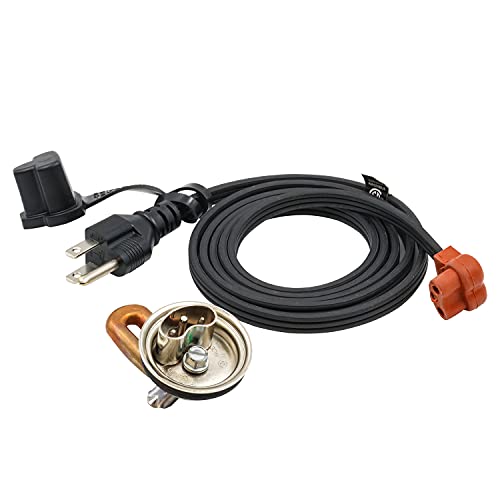
The Zerostart 3100057 is a common immersion-style block heater, sized at 1-5/8 inches diameter and CSA approved for 120V operation. It’s designed to be installed into factory freeze-plug locations or compatible ports on many domestic and some imported engines. The element provides localized heating of engine coolant near the block.
Listing features include:
- Vehicle Compatibility: Listed applications include Buick, Cadillac, Chevrolet, Ford, Mercury, Lincoln, Jeep, Pontiac, Continental, Oldsmobile—reference Zerostart catalog for exact fitment.
- Quick Winter Starts: Intended to reduce cold-start wear by keeping coolant and block temperatures elevated.
- CSA Approved: Meets relevant safety/certification standards for electrical heater elements.
Use case: Best where a permanent block heater solution is desired and there is access to an appropriate freeze-plug or port for element insertion. Professional installation or mechanical experience is recommended for correct seating and sealing.
Zerostart 3500043 Engine Block Heater (3/4″ NPT Thread)

This model is a threaded NPT element rated for 120V and 1000 watts. The 3/4″ NPT thread fits many factory ports or aftermarket block-heater bosses. It is intended for larger engines or applications needing higher wattage to warm a larger mass of coolant or diesel blocks more quickly.
Features highlighted in the listing include:
Call 888-896-7031 for Free Local HVAC Quotes – Compare and Save Today!
- High Output: 1000W heating element suitable for heavy-duty or larger displacement engines.
- Broad Compatibility: Listed applications include Ford, Mercury, Lincoln, International, Caterpillar, Detroit Diesel, Hino, Mack, Nissan—check catalog for fitment.
- Threaded Installation: 3/4″ NPT thread for secure mount and reliable sealing when installed properly.
Use case: Appropriate for larger vehicles, diesel engines, or situations where faster warm-up is required. Installation into a threaded boss generally requires correct sealing to prevent coolant leaks and may need a gasket or sealant per manufacturer guidance.
Universal Starter Heat Shield Barrier Blanket

While not a block heater, this starter heat shield addresses a related cold-weather reliability concern: starter failure due to radiant heat exposure from exhaust manifolds and turbochargers. The product is a thick aluminized insulation wrap that reflects radiant heat away from the starter and wiring.
Key features from the listing:
- Reflective Aluminized Layer: Reflects over 90% of radiant heat, rated to withstand surface temperatures up to 2000°F as a reflective barrier.
- Simple Installation: Wrap-style blanket designed to be fitted around starter housings to reduce heat soak and prevent premature starter wear.
- Applications: Fits many Chevrolet, Ford, Chrysler, small block and big block engines and similar vehicles where starter proximity to hot components is a concern.
Use case: Adds a protective layer to extend starter life and improve reliability when combined with a block heater or other warm-up strategies. It’s a non-electrical, passive solution that complements active heating.
ARANA Car Windshield Sunshade — Reflective Heat Block (64″x32″)

This reflective windshield sunshade is not a block heater but serves as a passive heat-management accessory. It blocks UV and reflects solar heat to reduce interior temperatures while parked. It may be useful in climates with large temperature swings where interior heat affects plastic components or dashboard-mounted sensors.
Features called out in the listing:
- High UV Blocking: Claims up to 99% UV blocking with reflective polyester material.
- Adjustable Fit: Extended center area and adjustable sizing for sedans, SUVs, and trucks.
- Interior Protection: Helps protect dashboard and plastics from heat-related degradation.
Use case: Consider this as an auxiliary accessory where parked-vehicle heat management matters. It does not warm engine fluids but can protect interior components and reduce cabin heat buildup.
Buying Guide: How To Choose The Right Universal Block Heater Or Heat-Management Solution
Selecting the right block heater or heat-management product depends on vehicle type, installation preferences, climate, and intended benefit. Below are key considerations and comparison perspectives.
1. Heater Type And Installation
Immersion/Freeze-Plug Elements: Installed into an existing freeze plug or port. Provide direct heating of coolant and surrounding block mass. Require mechanical installation and proper sealing.
Threaded NPT Elements: Screw into a threaded boss on the block or thermostat housing. Provide higher wattage options and secure mechanical fit. Best for engines with available threaded ports.
Adhesive Silicone Pads: Peel-and-stick for oil pans, reservoirs, or battery boxes. Non-invasive and easier to retrofit, but heat transfer is limited by contact area and surface material compatibility (metal only).
2. Wattage And Warm-Up Performance
Higher wattage (e.g., 1000W) warms larger engines faster and is beneficial for diesel or larger displacement engines. Lower wattage pads (e.g., 300W) may be adequate to slightly warm oil/battery but take longer to affect core coolant or block temperatures. Match wattage to engine size and thermal mass.
3. Vehicle Compatibility And Fitment
Check OEM freeze plug sizes and threaded boss dimensions before purchasing. Many immersion elements are model-specific; consult manufacturer fitment guides or product catalogs. Universal claims may require adapters or professional fitting.
4. Power Source And Electrical Considerations
Most block heaters operate at 120V and require an outdoor GFCI-protected outlet or dedicated garage outlet. Consider cord length and plug type. For high-wattage units, verify your household circuit capacity and avoid extension cords unless rated for continuous high current.
5. Safety Features And Certifications
Look for safety approvals such as CSA listing, built-in thermostats, and automatic shutoff features for non-immersed pads. Overheat protection and certified electrical safety reduce fire and component risks.
6. Installation Complexity And Maintenance
Threaded or immersion elements may need mechanical skill, gaskets, and coolant system draining/refilling. Adhesive pads are easier to fit but must adhere to clean, bare metal and avoid plastic components. Inspect seals periodically for leaks or adhesive degradation.
7. Durability And Environmental Exposure
Consider corrosion resistance and exposure to road debris. Threaded elements seated in the block are relatively protected, whereas external pads may be exposed to impacts and require more frequent inspection.
8. Complementary Heat-Management Strategies
Starter Heat Shields: Protect the starter from radiant heat and extend starter life when heat from exhaust or turbos is an issue. They do not heat the block but help maintain starter reliability.
Sunshades And Cabin Protection: Useful in climates with wide daily temperature swings; they protect interior components from heat damage but do not address cold starts.
9. Cost vs. Benefit Perspective
Consider the total benefit: reduced engine wear, easier cold starts, improved battery performance, and potential fuel savings during warm-up. High-wattage permanent heaters provide consistent block/coolant warming; pads and shields are lower-cost supplements with different benefits.
Tips for Getting the Best HVAC Prices
- Prioritize Quality Over Cost
The most critical factor in any HVAC project is the quality of the installation. Don’t compromise on contractor expertise just to save money. - Check for Rebates
Always research current rebates and incentives — they can significantly reduce your overall cost. - Compare Multiple Quotes
Request at least three estimates before making your choice. You can click here to get three free quotes from local professionals. These quotes include available rebates and tax credits and automatically exclude unqualified contractors. - Negotiate Smartly
Once you've chosen a contractor, use the proven strategies from our guide — How Homeowners Can Negotiate with HVAC Dealers — to get the best possible final price.
10. Practical Tips For Choosing
- Confirm engine freeze-plug size or threaded boss before buying immersion or NPT elements.
- For DIY-friendly solutions, choose adhesive pads rated for metal surfaces and with thermal safety features.
- For heavy-duty or diesel engines, favor higher-wattage threaded elements designed for larger thermal mass.
- Combine passive solutions such as starter shields with active heaters to protect vulnerable components and improve overall reliability.
- Always follow manufacturer installation and electrical safety instructions. When in doubt, consult a mechanic for installation and fitment verification.