
Choosing the right vent or deflector can improve comfort, reduce energy waste, and protect furniture from direct heat. The table below summarizes five proven options for redirecting heater airflow or improving vent performance. These selections include magnetic vent deflectors, a dedicated vent hood for combustion systems, and heavy-duty adjustable models suitable for walls, ceilings, and floors.
| Product | Brand | Key Feature |
|---|---|---|
| Home Intuition Heat And Air Vent Deflector (2 Pack) | Home Intuition | Adjustable 10″–15″ with strong magnets and heavy-duty plastic |
| Binazon Heating & Air Vent Deflector (2 Pack) | Binazon | Fits 9″–14″, flame-retardant plastic, magnetic attachment |
| Hartford Ventilation Air Vent Deflector | Hartford Ventilation | Heavy-duty unbreakable plastic, extra strength magnets, 8″–14″ |
| Air Vent Deflector (Jazalz, 4-Pack) | Jazalz | Adjustable 9.2″–16″ length, designed for multiple outlet types |
| Vent Hood | Rheem | Draft hood for water heater venting that assists updraft movement |
Content Navigation
- Home Intuition Heat And Air Vent Deflector 8.5″ To 15″ Magnetic (2 Pack)
- Binazon Heating & Air Vent Deflector For Vents 9″-14″ (2 Pack)
- Hartford Ventilation Air Vent Deflector Heavy Duty 8″-14″
- Air Vent Deflector 4-Pack Adjustable 8.5″ To 15″ (Jazalz)
- Vent Hood For Water Heater Venting (Rheem)
- Buying Guide: Choosing The Right Vent Or Deflector For Your Heater
Home Intuition Heat And Air Vent Deflector 8.5″ To 15″ Magnetic (2 Pack)

This adjustable vent deflector expands from 10″ to 15″ and uses strong magnets to secure to metal registers. Constructed from heavy-duty plastic, the design emphasizes durability in both heating and cooling seasons. The manufacturer advertises a 5-year money-back guarantee, which can be useful if sizing or fit issues arise.
Key features include an expandable width for a range of vent sizes, magnet placement for stability, and a profile intended to redirect airflow away from occupants or toward desired zones. The product is suitable for sidewall, ceiling, and register applications and aims to improve room comfort while reducing HVAC strain by redistributing airflow.
Binazon Heating & Air Vent Deflector For Vents 9″-14″ (2 Pack)

The Binazon deflector is specified to fit vents from 9″ to 14″ and is rated for use on floors, walls, and ceilings. The material is described as flame retardant and resistant to oxidation, making it suitable for environments with varying temperatures.
Call 888-896-7031 for Free Local HVAC Quotes – Compare and Save Today!
Installation relies on supplied strong magnets to hold the deflector against metal registers. The product is intended to redirect heat or cold air quickly and can be used to avoid direct drafts or to guide warm air into occupied zones. The two-pack format is practical for multi-room adjustments or paired vents.
Hartford Ventilation Air Vent Deflector Heavy Duty 8″-14″
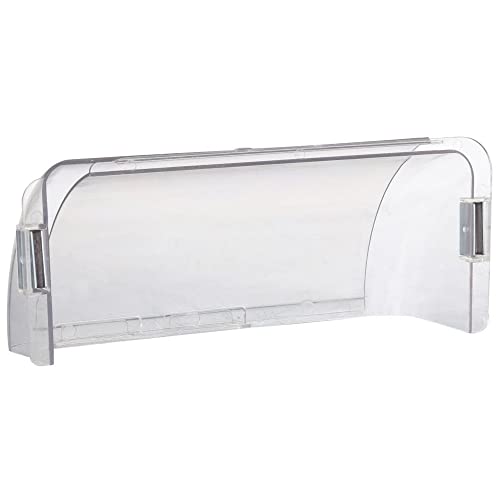
Hartford’s deflector highlights a robust build with extra strength magnets and an unbreakable plastic design. It adjusts to fit vents between 8″ and 14″ and emphasizes ease of use for seasonal adjustments—directing warm air downward in winter and upward for cooling in summer.
The unit targets homeowners wanting a durable, long-lasting deflector that can withstand repeated repositioning. The manufacturer notes the ability to reduce wasted airflow and deliver a more even temperature distribution across a room.
Air Vent Deflector 4-Pack Adjustable 8.5″ To 15″ (Jazalz)
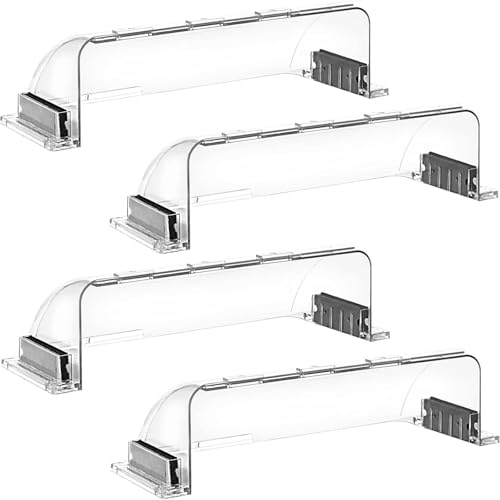
This 4-pack provides multiple deflectors adjustable from 9.2″ to 16″ and is designed for ceiling, floor, and wall ventilation outlets. The product description emphasizes universality and ease of installation without tools, relying on supplied magnets for attachment to metal registers.
Call 888-896-7031 for Free Local HVAC Quotes – Compare and Save Today!
Notes indicate the magnets are not suitable for wooden, aluminum, or plastic registers unless screw slots or alternate fastening options are used. This model suits users who need several deflectors to manage airflow across multiple rooms.
Vent Hood For Water Heater Venting (Rheem)

The Rheem vent hood is a specialized component that connects water heaters to venting systems and assists the updraft movement of combustion gases. It is compatible with 3″ or 4″ venting applications and is intended for use where proper draft and safety are critical.
Unlike magnetic deflectors, this vent hood addresses combustion ventilation needs—improving draft performance and reducing backflow risk. It is suitable for installation in mechanical, utility, or appliance-focused areas where code-compliant venting and reliable exhaust are necessary.
Buying Guide: Choosing The Right Vent Or Deflector For Your Heater
Selecting the right vent or deflector depends on the application, vent type, and desired outcome. Below are the primary considerations and comparison perspectives to help you match product features to needs.
Application And Vent Type
- Register Material: Magnetic deflectors require metal registers for full magnetic attachment. If registers are plastic or wood, choose models that offer screw mounting or adhesive options.
- Position: Deflectors are rated for floor, wall, and ceiling use. Verify the deflector’s advertised orientation compatibility before buying.
- Appliance Venting vs. Air Distribution: Use a vent hood or code-compliant venting components for combustion appliances like water heaters. Deflectors are designed for air distribution from forced-air systems, not combustion exhaust.
Size And Adjustability
- Measure Your Register: Check width and grille layout—most adjustable deflectors list a range (e.g., 8″–15″). Ensure the product’s range covers your vent dimension.
- Profile And Height: Consider the deflector’s height and curvature to avoid sagging across wide spans. Reinforced designs or multi-part expansions provide better stability for larger openings.
Attachment Method And Stability
- Magnets: Strong magnets are convenient and non-permanent but need metal registers. Confirm magnet placement and count; multiple magnets reduce sagging.
- Screw Or Adhesive Options: For non-metal vents, look for models with screw holes or adhesive strips to secure the unit safely.
Material, Safety, And Durability
- Heat Resistance: Plastic deflectors should be made from heat-resistant or flame-retardant materials if used near high-temperature vents.
- Unbreakable Or Heavy-Duty Plastic: Thicker plastics resist cracking and maintain shape under temperature changes.
- Combustion Vent Safety: For appliance venting, select certified vent hoods or OEM parts designed for exhaust and draft control. Do not use deflectors or consumer-grade plastic near combustion exhausts.
Performance And Room Impact
- Airflow Redirection: Deflectors influence airflow patterns; choose models with adjustable angles if you need to steer warm or cool air to specific zones.
- System Efficiency: Properly redirected airflow can reduce local thermostat cycling and improve perceived comfort, but overly restrictive attachments can increase static pressure—avoid blocking registers.
- Multiple Vents: For balanced heating, consider addressing multiple registers rather than over-directing a single vent, which can create imbalanced circulation.
Installation And Maintenance
- Tool-Free Install: Many magnetic deflectors are tool-free and removable for seasonal changes.
- Cleaning: Deflectors and vent hoods accumulate dust; select models that can be wiped or removed for cleaning without damaging magnets or mounting hardware.
Comparison Perspectives
- Budget vs. Durability: Lower-cost plastic deflectors can meet temporary needs; heavy-duty or flame-retardant options provide longer service life in demanding environments.
- Single Room Fix vs. Whole-Home Strategy: Use a single deflector to address a localized cold or hot spot, but evaluate whole-system balancing (dampers, returns, insulation) for persistent temperature issues.
- Safety Priority: For combustion appliance venting, prioritize certified vent hoods and HVAC professional guidance rather than consumer deflectors.
Use the product features and selection criteria above to match a vent or deflector to your register type, safety needs, and comfort goals. Proper selection helps improve airflow direction, maintain safety for appliance vents, and can contribute to more even indoor temperatures.
Tips for Getting the Best HVAC Prices
- Prioritize Quality Over Cost
The most critical factor in any HVAC project is the quality of the installation. Don’t compromise on contractor expertise just to save money. - Check for Rebates
Always research current rebates and incentives — they can significantly reduce your overall cost. - Compare Multiple Quotes
Request at least three estimates before making your choice. You can click here to get three free quotes from local professionals. These quotes include available rebates and tax credits and automatically exclude unqualified contractors. - Negotiate Smartly
Once you've chosen a contractor, use the proven strategies from our guide — How Homeowners Can Negotiate with HVAC Dealers — to get the best possible final price.