
Small, efficient heaters are ideal for desks, dorms, offices, and tight rooms where full-room heating is unnecessary. Below is a quick comparison of five compact, widely available mini space heaters selected for size, safety features, and heating performance.
| Product | Type | Key Features |
|---|---|---|
| Gaiatop Mini Space Heater | PTC Ceramic Desk Heater | Fast PTC heating, tip-over & overheating protection, compact |
| Amazon Basics Ceramic Space Heater (Black) | Ceramic Mini Heater | 500W, very compact footprint, lightweight |
| Lerat Electric Space Heater | PTC Ceramic Mini Heater | Two heat settings, fast heat-up, tilt & overheat shutoff |
| YOUCIDI Safety Energy-saving Heater (Pink) | PTC / Aluminum Core Mini Heater | Immediate heat, rotatable support, auto shutoff on high temp |
| Lasko MyHeat Personal Mini Heater | Low-Wattage Ceramic Heater | 200W personal heater, very small footprint, single-speed |
Content Navigation
Gaiatop Mini Space Heater

The Gaiatop Mini Space Heater is a compact PTC ceramic heater designed for personal heating near a desk or bedside. The manufacturer highlights a space-saving design and a rapid warm-up that begins in seconds thanks to the PTC heating element. Built-in safety measures include overheating protection and a 45° tip-over shutoff, and the unit is made with V0 class fireproof material for long-term use. This model suits small rooms, dorms, and offices where immediate local heat is desired without occupying much surface area.
Amazon Basics Ceramic Space Heater (Black)

This Amazon Basics mini heater emphasizes compact dimensions and portability. At roughly 5.8″ deep and 6″ tall, it fits neatly on desks or small tables. It uses ceramic coils for quick heat delivery at a 500W power level and weighs about 1.4 pounds, making it easy to move. The product description notes tip-over protection to reduce fire risk. This unit is targeted at local spot heating rather than warming entire rooms.
Lerat Electric Space Heater

Call 888-896-7031 for Free Local HVAC Quotes – Compare and Save Today!
The Lerat mini heater offers two heat settings (200W and 500W) for more control over output and energy use. It features high-efficiency ceramic coils that reportedly heat within three seconds. The compact footprint (about 4.7 x 5.7 x 3.5 inches) makes it extremely portable. Safety features include overheat protection and tilt/shutoff to prevent accidents. The manufacturer recommends using it in closed spaces for best thermal retention.
Safety Energy-saving Heater Mini (Pink)
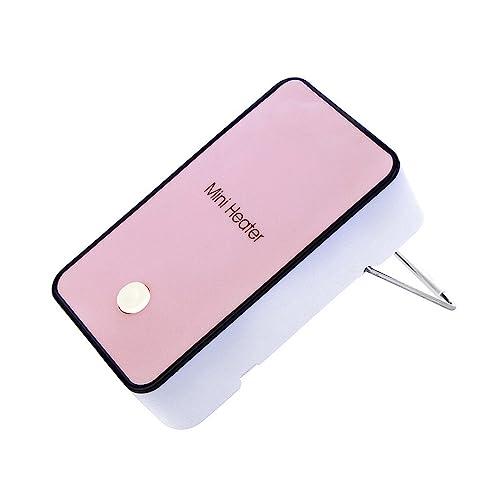
This compact heater from YOUCIDI uses a PTC corrugated aluminum heating element to deliver rapid warmth with quiet operation. The design includes a rotatable support with an anti-slip pad to set the angle and position safely. An automatic shutoff activates if internal temperature gets too high, providing a basic safety layer. The model is focused on immediate heat delivery for close-range personal use and small indoor spots.
Lasko MyHeat Personal Mini Space Heater
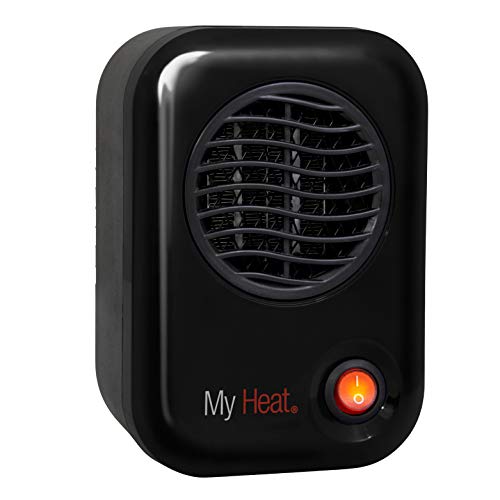
The Lasko MyHeat is a very small ceramic heater designed for close-range warming with a 200W output, which is lower than most 500W mini units. Its tiny 6-inch size and 4″ x 4″ footprint are specifically for personal use—under desks or directly at a workstation. It operates on a single speed with minimal controls and is intended to heat the immediate area without stressing household circuits. The unit includes a long power cord for flexible placement.
Buying Guide — How To Choose A Very Small Heater
Choosing a very small heater requires balancing size, output, safety, and energy use. This guide highlights core considerations and comparison perspectives to help match a mini heater to your needs.
Call 888-896-7031 for Free Local HVAC Quotes – Compare and Save Today!
Intended Use And Coverage
Decide whether the heater is for personal spot heating (desk, feet, bedside) or for warming a small room. Low-wattage models (around 200W) are ideal for individual heating, while 500W units provide stronger short-range warmth that can affect a slightly larger micro-area.
Heating Element And Speed
PTC ceramic elements heat quickly and maintain temperature efficiently. Models with ceramic coils often warm up in seconds. Aluminum-core or corrugated PTC designs can offer similar quick-start performance with compact size.
Power Levels And Energy Considerations
Mini heaters commonly offer single or dual power settings (e.g., 200W and 500W). Dual settings provide flexibility to lower energy use. If you plan long runtimes, choose lower wattage or a thermostat-equipped unit to cycle on/off for efficiency.
Safety Features
Essential safety features include tip-over shutoff, overheat protection, and flame-retardant housings. For unattended use (even briefly), ensure the model has automatic shutoff mechanisms and stable footing or anti-slip supports.
Size, Weight, And Portability
Look at the physical footprint if desk space is limited. Lightweight units (1–2 lbs) are easiest to move between rooms. If outlet placement is an issue, consider models with longer cords or plug-in wall units designed to save floor space.
Noise Level
Many mini heaters operate quietly, but fan-assisted models can produce low-level sound. If the heater will run near a workspace or bedside, prioritize quiet operation for minimal disruption.
Controls And Usability
Simple on/off and power settings are common for very small heaters. Thermostat control is rare in the smallest models but useful for maintaining steady temperatures. Rotatable supports or adjustable angles help direct heat where you need it most.
Durability And Materials
Heat-resistant ABS or V0-rated plastics and flame-retardant materials increase long-term safety. Check product specifications for material ratings when durability is a priority.
Comparison Perspectives
- Spot Warmth vs. Room Warmth: Choose lower-wattage units for individual spot warmth and higher-wattage mini units for short-range room warming.
- Energy Savings vs. Speed: Quick-heat PTC models bring heat fast but may use higher instantaneous power; dual-setting heaters offer a middle ground.
- Portability vs. Stability: Very lightweight heaters are portable but ensure they include tip-over protection and a stable base for safe use.
- Simple vs. Programmable Controls: For most personal use, simple controls are sufficient. Programmable or thermostat models are better for unattended, longer-term operation.
When selecting a very small heater, match the model to your specific use case—desk, bedside, or small enclosed space—and prioritize safety and control features that suit how you plan to use the heater.
Tips for Getting the Best HVAC Prices
- Prioritize Quality Over Cost
The most critical factor in any HVAC project is the quality of the installation. Don’t compromise on contractor expertise just to save money. - Check for Rebates
Always research current rebates and incentives — they can significantly reduce your overall cost. - Compare Multiple Quotes
Request at least three estimates before making your choice. You can click here to get three free quotes from local professionals. These quotes include available rebates and tax credits and automatically exclude unqualified contractors. - Negotiate Smartly
Once you've chosen a contractor, use the proven strategies from our guide — How Homeowners Can Negotiate with HVAC Dealers — to get the best possible final price.