
Quick Overview: This guide reviews reliable 120V wall-mounted electric heaters suitable for apartments, bedrooms, bathrooms, and offices. Below is a compact comparison table for the five selected models focused on performance, thermostat control, and installation flexibility.
| Model | Power / Voltage | Thermostat | Mount Type |
|---|---|---|---|
| Cadet Com-Pak CSC151TW | 1500W / 120V | Built-in Mechanical | Recessed/Surface |
| Stiebel Eltron CK Trend | 1500W / 120V | Built-in Thermostat | Surface Mount |
| Cadet Com-Pak CSC101TW | 1000W / 120V | Built-in Mechanical | Recessed/Surface |
| Leafinnerin CSC151TW | 1500W / 120V | Built-in Thermostat | Surface/Recessed |
| EconoHome Panel Heater | 400W / 120V | Built-in Thermostat | Surface/Hardwire |
Content Navigation
Cadet Com-Pak 1500W

This Cadet Com-Pak Complete Unit (Model CSC151TW) is a commonly installed 120V, 1500W wall heater with a built-in mechanical thermostat. The unit provides up to 5120 BTU, intended to warm small to medium rooms. It installs as a recessed or surface-mounted unit depending on the chosen wall can and includes a factory thermostat for local temperature control.
Key features from the product listing include the integrated thermostat and the compact white housing designed for discreet wall mounting. The Cadet Com-Pak line emphasizes fast heating coil elements and safety features that shut the unit off if temperatures exceed safe limits. Suitable for bedrooms, bathrooms (with proper electrical protection), or zone heating installations where a dedicated 120V line is available.
Stiebel Eltron 1500W Fan

The Stiebel Eltron CK Trend is a 1500W, 120V surface-mounted fan heater with an integrated thermostat and a European-style profile. The manufacturer highlights a quiet operation (approx. 49 dB) and a downdraft design for more even distribution of heat.
Call 888-896-7031 for Free Local HVAC Quotes – Compare and Save Today!
Product features include a sleek surface-mount design, built-in thermostat for maintaining setpoints, and a fan-forced convection method that speeds heat delivery across the room. The unit targets interior spaces where compact footprint and quieter fan performance are important, such as offices and dens. Installation requires a dedicated 120V circuit and adherence to local electrical codes.
Cadet Com-Pak 1000W
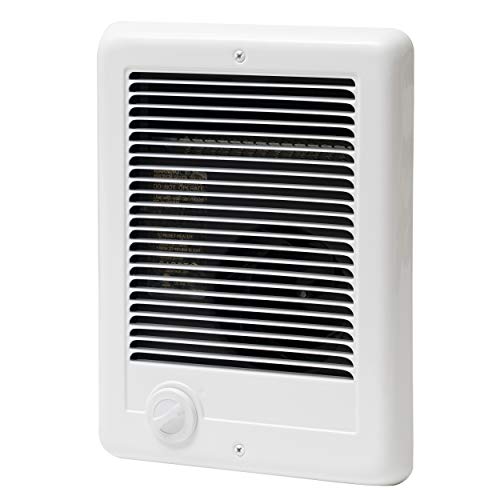
The Cadet CSC101TW is a 1000W, 120V wall heater designed for smaller rooms or supplemental heating where the full 1500W capacity is not necessary or available. It uses a fast heating dual coil element intended to warm up to approximately 200 sq. ft. in appropriate conditions.
Listed features emphasize compact recessed installation, safety shutoff at abnormal operating temperatures, and a built-in mechanical thermostat for local control. The lower wattage reduces electrical load and may suit spaces with 15A circuit limitations or for homeowners seeking gentler heating in small bedrooms or laundry areas.
Leafinnerin 1500W Silent
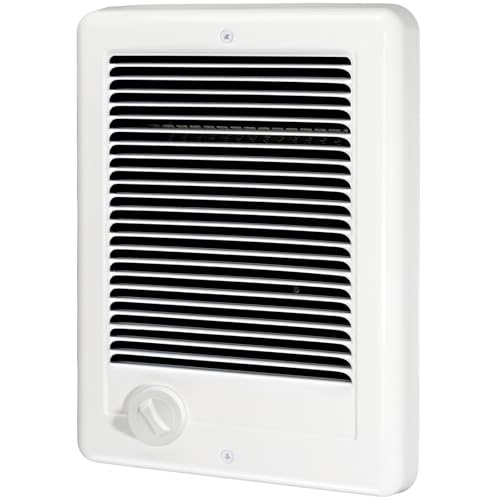
The Leafinnerin CSC151TW is a 1500W, 120V wall mounted heater with a claimed quiet operation and an onboard thermostat. The manufacturer lists a low operating noise level and an energy-efficient heating element for continuous use.
Call 888-896-7031 for Free Local HVAC Quotes – Compare and Save Today!
Product features include an intelligent thermostat to maintain room temperature, silent design suitable for bedrooms or offices (noise levels quoted near 30 dB), and efficiency-focused element technology. The unit is factory-configured for 120V operation and highlights automated temperature control to avoid overheating.
EconoHome 400W Panel

The EconoHome panel heater is a 400W, 120V convector-style wall-mounted unit designed for small rooms up to roughly 120 sq. ft. It’s a low-wattage option oriented toward energy-conscious heating and continuous background warmth rather than rapid high-output heating.
Features listed include a thin panel design, built-in thermostat, heat reflector accessory, and overheat protection. The manufacturer promotes improved efficiency and the potential to reduce conventional heating expense when used as a zone heater. Hardwiring may be required for some installations; follow local electrical code and product instructions.
Buying Guide: Choosing The Right 120V Wall Heater
Selecting the best 120V wall-mounted electric heater depends on room size, wiring capacity, thermostat control, safety features, and the intended use case. The sections below outline core considerations and comparison perspectives to help decide which model fits your needs.
Room Size And Wattage
Match heater output to the room’s square footage and insulation quality. As a rule of thumb, a properly insulated room typically needs about 10–20 watts per square foot. For example:
- 400W panel: best for small rooms up to ~120 sq. ft., continuous ambient heating.
- 1000W unit: suitable for rooms around 100–200 sq. ft., or supplemental heat.
- 1500W units: appropriate for small to medium rooms and faster heat delivery.
Consider ceiling height and exterior walls; higher ceilings and poor insulation raise heating requirements.
Electrical Circuit And Installation
Confirm existing circuit capacity before choosing a 120V heater. Most 1500W units draw ~12.5 amps and typically require a dedicated 15A circuit. Verify:
- If the room already has a 15A dedicated circuit, 1500W is feasible.
- For shared circuits or older wiring, a 1000W or 400W option reduces overload risk.
- Hardwire vs. plug-in: many wall heaters are hardwired; check if you need a recessed can or surface housing.
Always follow local electrical codes and use a licensed electrician for hardwired installations.
Thermostat Type And Control
Thermostat type affects comfort and efficiency. Options include:
- Mechanical (dial) thermostats: Simple and reliable for basic room control.
- Digital thermostats: More precise setpoints and easier readability.
- Programmable or smart controls: Can reduce energy use by scheduling; be sure the heater supports external controls.
Built-in thermostats offer localized control, while separate thermostats can centralize multiple heating zones.
Noise And Heat Distribution
Heaters use either convection (no fan) or fan-forced distribution. Consider:
- Fan-forced units (e.g., Stiebel Eltron): faster warm-up and more even distribution, but some audible noise—check dB ratings if noise matters.
- Convection panels (e.g., EconoHome): quieter and better for continuous background warmth, but slower to raise temperature.
Review manufacturer noise claims and, if available, user feedback on perceived sound levels for placement in bedrooms or quiet offices.
Safety Features And Certifications
Look for thermal cut-off, overheat protection, and listed safety certifications (cETL, UL, RoHS where noted). Safety features reduce fire risk and provide peace of mind for continuous operation. For bathrooms or damp locations, verify whether the unit is approved for that environment and if additional GFCI protection is required.
Installation Flexibility
Some units allow recessed installation into an existing wall can, while others mount on the surface. Consider:
- If you have an existing Cadet Com-Pak wall can, many Cadet and compatible models can retrofit without new wall patching.
- Surface units simplify installation when recessing is not possible but may protrude more into the room.
- Check the product’s compatibility with ceiling or corner locations if your layout requires alternate mounting.
Energy Use And Operating Cost Considerations
Wall heaters convert nearly all electrical input into heat, so operating cost is driven by wattage and runtime. Use lower wattage for continuous background heating and higher wattage for occasional fast warm-up. Programmable thermostats or zoning strategies often reduce total energy use.
Durability, Warranty, And Parts
Compare warranty lengths and availability of replacement thermostats or elements. Brands with long-standing market presence may provide easier access to service parts and compatible wall cans when retrofitting older installations.
Comparison Perspectives
When choosing between models, weigh these trade-offs:
Tips for Getting the Best HVAC Prices
- Prioritize Quality Over Cost
The most critical factor in any HVAC project is the quality of the installation. Don’t compromise on contractor expertise just to save money. - Check for Rebates
Always research current rebates and incentives — they can significantly reduce your overall cost. - Compare Multiple Quotes
Request at least three estimates before making your choice. You can click here to get three free quotes from local professionals. These quotes include available rebates and tax credits and automatically exclude unqualified contractors. - Negotiate Smartly
Once you've chosen a contractor, use the proven strategies from our guide — How Homeowners Can Negotiate with HVAC Dealers — to get the best possible final price.
- Output vs. Noise: 1500W fan units heat faster but can be louder than convection panels.
- Installation Ease vs. Aesthetics: Recessed models are less visible but require wall modification; surface units are simpler to fit.
- Energy Efficiency vs. Comfort: Lower wattage maintains steady warmth with less instantaneous power draw; higher wattage provides rapid comfort for shorter use periods.
- Control Precision: Digital thermostats provide finer control than mechanical dials, which can lead to small energy savings and improved comfort.
Practical Checklist Before Buying
- Measure room square footage and estimate required wattage.
- Confirm circuit amperage and whether a dedicated 15A line exists.
- Decide recessed vs. surface mount based on wall access and aesthetics.
- Verify thermostat type desired (mechanical vs. digital) and compatibility with any external controls.
- Check safety certifications and overheat protection features.
- Plan professional installation if hardwiring or major wall work is required.