
Plug-in wall heaters offer targeted warmth without take-up of floor space, making them a popular choice for bedrooms, bathrooms, offices, and RVs. Below is a quick comparison of selected models to help you scan core specs before diving into detailed reviews.
| Product | Wattage / Modes | Key Features |
|---|---|---|
| Ontel Handy Heater Turbo | 800W | Adjustable Thermostat, 12-Hour Timer, Ceramic |
| GiveBest 450W Programmable | 450W | LED Display, Remote, 180° Rotatable Plug |
| Good Housekeeping Digital Ceramic 750W | 750W | Digital Display, 2 Heat Settings, Thermostat |
| Brightown 450W Wall Space Heater | 450W | Precise Thermostat, Fast Ceramic Heating, ETL |
| ENVI Plug-In Electric Panel | Low-Wattage Panel | Fan-less Convection, Safety Sensor, 24/7 Run |
Content Navigation
- Ontel Handy Heater Turbo Wall Outlet Small Space Heater
- GiveBest Programmable 450W Wall Outlet Space Heater With LED
- Digital Ceramic 750-Watt Wall Outlet Plug-in Space Heater By Good Housekeeping
- Brightown Wall Space Heater 450W Remote Portable Electric Heater
- ENVI Plug-in Electric Panel Wall Heater For Indoor Use
- Buying Guide: How To Choose The Right Wall Plug-In Heater
Ontel Handy Heater Turbo Wall Outlet Small Space Heater

The Ontel Handy Heater Turbo Is A Compact Ceramic Wall Outlet Heater Designed For Small Rooms. It Lists 800 Watts Of Heating Power And Claims Coverage Up To 250 Sq Ft. The unit Features An Adjustable Thermostat (60–90°F), A Programmable 12-Hour Timer, And Auto Shut-Off For Safety.
Manufacturer Notes Emphasize Ceramic Technology That Maintains Air Moisture To Reduce Dryness. The plug-in design Keeps The Heater Off The Floor And The Controls Allow Temperature And Run-Time Adjustments. This Model Targets Users Looking For A Space-Saving Heater With Timer And Temperature Control.
GiveBest Programmable 450W Wall Outlet Space Heater With LED

This GiveBest Model Operates At 450 Watts, Emphasizing Low Energy Consumption And Circuit Safety For Mild Climates. It Includes An LED Display And An Adjustable Temperature Range From 60°F To 90°F.
Call 888-896-7031 for Free Local HVAC Quotes – Compare and Save Today!
Notable Mechanical Features Include A 180° Rotatable Plug To Fit Upside-Down Or Tight Outlets. The Product Is ETL Listed, And The Manufacturer Highlights That The Lower Wattage Helps Avoid Overloading Household Circuits—Useful In Older Homes Or Multi-outlet Loads.
Digital Ceramic 750-Watt Wall Outlet Plug-in Space Heater By Good Housekeeping

The Good Housekeeping Digital Ceramic Heater Provides 750 Watts With Two Heat Settings And A Digital Display. The Unit Also Includes An Adjustable Thermostat For Maintaining A Set Temperature.
This Model Focuses On Straightforward Controls And Compact Plug-In Convenience. The Simpler Control Scheme May Appeal To Users Seeking Reliable Warmth Without Extensive Mode Options.
Brightown Wall Space Heater 450W Remote Portable Electric Heater

Brightown’s Plug-In Heater Uses A PTC Ceramic Heating Plate For Fast Heat-Up In Seconds. The Unit Lists 450 Watts And Features A Precise Thermostat Capable Of 1°F Increments Between 60°F And 90°F.
Call 888-896-7031 for Free Local HVAC Quotes – Compare and Save Today!
Included Controls Are An LED Display And A Programmable 1–12 Hour Timer. The Product Also Notes ETL Certification And Safety Features Like Overheat Protection—useful For Continuous Or Scheduled Operation In Small Spaces.
ENVI Plug-in Electric Panel Wall Heater For Indoor Use
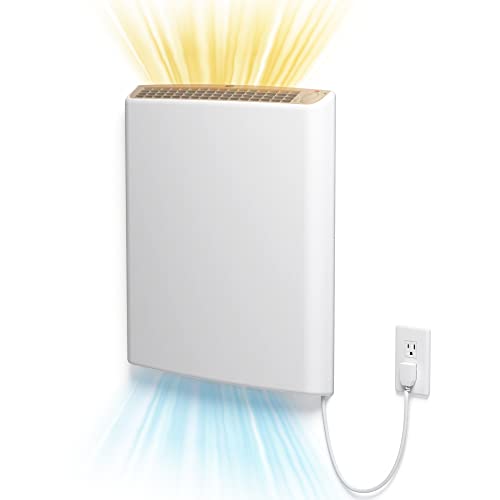
The ENVI Panel Differs From Typical Fan Heaters By Offering A Fan-less Stack Convection Design That Runs Quietly And Can Operate 24/7. It Is Marketed As An Energy-Efficient Low-Wattage Wall Heater With A Wall-Sense Safety Sensor That Cuts Power If The Unit Is Removed.
ENVI Highlights Silent Operation, Minimal Dust Disturbance For Allergy Concerns, And Safe Continuous Use Around Vulnerable Populations. The Panel Mounts To The Wall And Aims To Provide Gentle, Constant Warmth Rather Than Rapid Fan-Driven Heat.
Buying Guide: How To Choose The Right Wall Plug-In Heater
This buying guide Helps You Compare Important Factors When Selecting A Wall Plug-In Heater For Bedrooms, Bathrooms, RVs, Or Small Rooms.
Tips for Getting the Best HVAC Prices
- Prioritize Quality Over Cost
The most critical factor in any HVAC project is the quality of the installation. Don’t compromise on contractor expertise just to save money. - Check for Rebates
Always research current rebates and incentives — they can significantly reduce your overall cost. - Compare Multiple Quotes
Request at least three estimates before making your choice. You can click here to get three free quotes from local professionals. These quotes include available rebates and tax credits and automatically exclude unqualified contractors. - Negotiate Smartly
Once you've chosen a contractor, use the proven strategies from our guide — How Homeowners Can Negotiate with HVAC Dealers — to get the best possible final price.
Wattage And Heating Capacity
- Wattage Range: Typical plug-in heaters Are 400–800 Watts. Higher wattage Delivers Faster Heat But Uses More Power.
- Room Size: Match wattage To Space—450W Suits Small Rooms Or Mild Climates; 750–800W Works Better For Slightly Larger Rooms Or Faster Warm-Up.
Energy Use And Efficiency
- Low-Wattage Models: Save Energy And Avoid Overloading Circuits, Especially In Older Homes.
- Smart Or ECO Modes: Look For ECO Or Auto Modes That Adjust Output To Room Temperature To Reduce Consumption.
Controls And Temperature Management
- Adjustable Thermostat: Precision Thermostats Maintain Target Temperatures With Less Cycling.
- LED/ Digital Displays: Help Monitor Settings And Temperature At A Glance.
- Programmable Timers: Useful For Scheduled Heating And Auto Shut-Off To Conserve Power Or Improve Safety.
Safety Features
- Auto Shut-Off/Overheat Protection: Prevents Damage If The Unit Overheats Or Is Obstructed.
- Wall-Sense Or Removal Cut-Off: Important For Panel Units That Attach To Walls To Prevent Operation If Unseated.
- ETL/UL Certification: Indicates Compliance With Recognized Safety Standards.
Installation And Outlet Compatibility
- Rotatable Plugs: 180° Rotatable Plugs Are Helpful For Upside-Down Or Tight Outlet Orientations.
- Plug vs. Panel Mount: Plug-In Units Are Simple To Install; Panel Units May Require A Bracket Or Minimal Mounting.
Noise And Operation Style
- Fan vs. Fan-less: Fan Heaters Provide Faster Air Movement; Fan-less Panel Heaters Offer Quiet, Radiant/Convection Heat.
- Decibel Levels: Look For Low dB Ratings If Using In Bedrooms Or Nurseries.
Material And Heat Technology
- Ceramic/PTC Elements: Offer Fast Warm-Up And More Even Heat Distribution.
- Panel/Convection: Provide Gentle, Consistent Heat With Less Air Disturbance.
Features For Convenience
- Remote Control: Adds Convenience For Wall-Mounted Units In Hard-To-Reach Outlets.
- Compact Design: Important Where Outlet Access Or Space Is Limited.
Safety Use Cases And Placement
- Bathrooms: Choose Models Rated For Bathrooms Or That Note Safe Bathroom Use; avoid placing direct to wet areas.
- Children And Pets: Consider Units With Cool-To-Touch Surfaces Or Wall-Mount Options To Reduce Contact Risk.
Comparisons To Consider
- Energy Savings vs. Output: Lower wattage saves energy but may not reach desired temperatures quickly; weigh frequency of use.
- Speed vs. Quiet: Fan-equipped heaters warm faster; panel fan-less models are quieter and may run continuously with lower perceived heat.