
Choosing The Right Thermostat for electric baseboard heaters affects comfort and energy use. Below are five well-reviewed thermostats and wall heater options that cover manual two- and four-wire controls, built-in heater thermostats, and modern smart thermostats compatible with high-voltage baseboards. The comparison focuses on compatibility, wiring requirements, installation, and smart features.
| Product | Type | Voltage / Wiring | Notable Feature |
|---|---|---|---|
| Honeywell Home CT410B Manual 4 Wire | Manual Line-Voltage Thermostat | 120–240V, 4 wires | Bimetal sensor, simple control |
| Cadet F Series Double Pole BTF2W | Built-In/End-Mount Dial Thermostat | 120/208/240V, double pole | Large twist dial, mounts to heater |
| meross Smart Thermostat | Wi‑Fi Programmable Smart Thermostat | 120–240V, requires 4+ wires | HomeKit/Alexa/Google integration |
| Cadet 36″ Electric Baseboard Heater | Electric Baseboard Heater (Requires Thermostat) | 120V | All-metal construction, requires thermostat |
| Mysa Smart Thermostat LITE | Wi‑Fi Programmable Smart Thermostat | 120–240V, 4-wire required | App control, energy saving schedules |
Content Navigation
Honeywell Home CT410B Manual 4 Wire

Overview: The Honeywell CT410B is a non-programmable line-voltage thermostat designed for electric baseboards, convectors, and non-inductive fan-forced heaters. It uses a bimetal temperature sensor and supports both 120 and 240 volts.
Key Considerations: This model requires a 4-wire installation typically including two hot leads and a separate control wiring setup. Its manual dial and bimetal sensor mean simple mechanical control without apps or scheduling. The thermostat is a reliable option when you want straightforward temperature control without programming.
Use Cases: Best for homes with existing 4-wire line-voltage wiring where a durable, mechanical thermostat is preferred. It is suitable for installers or DIYers comfortable with high-voltage wiring standards.
Cadet F Series Double Pole Built-In

Call 888-896-7031 for Free Local HVAC Quotes – Compare and Save Today!
Overview: The Cadet BTF2W is a double-pole thermostat designed specifically for Cadet F Series baseboard heaters. It offers a temperature range from 45º to 80ºF and uses an easy twist dial for adjustments.
Key Considerations: This thermostat is particularly intended to mount directly to a compatible Cadet heater, eliminating extra wall wiring. It’s a good fit when replacing or adding control on the heater itself, not as a separate wall-mounted controller. Its double-pole switch increases safety by disconnecting both hot legs on multi-wire setups.
Use Cases: Best for owners of Cadet F Series heaters who want a heater-mounted, OEM-compatible control. Installation is straightforward when matching the heater model, but not suitable for non-Cadet units.
meross Smart Thermostat For Baseboard

Overview: The meross smart thermostat is designed for high-voltage electric baseboards, convectors, and fan-forced systems and supports voice assistants like Siri, Alexa, and Google Assistant.
Key Considerations: It requires 4 or more wires in the electrical box for installation and supports a maximum load of 16A (1920W at 120V, 3840W at 240V). The device is configurable through Wi‑Fi for scheduling and remote control and aims to combine modern conveniences with line-voltage compatibility.
Call 888-896-7031 for Free Local HVAC Quotes – Compare and Save Today!
Use Cases: Choose meross when you want smart home integration and have compatible wiring and load requirements. Verify your breaker sizing and wiring before purchase to ensure safe operation with high-voltage systems.
Cadet 36″ Electric Baseboard Heater
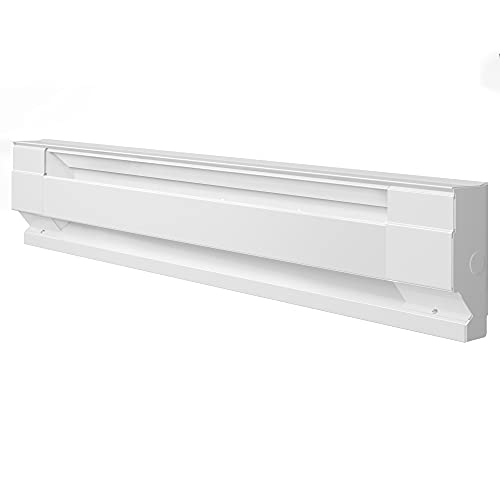
Overview: This Cadet 36″ baseboard heater is a 120V, 750W electric heater that requires a separate thermostat. It’s an all-metal, powder-coated unit that includes a junction box with ground.
Key Considerations: As a heater rather than a thermostat, this product highlights the need to match the heater’s electrical characteristics with an appropriate thermostat. The unit specifies that it requires a thermostat, so compatibility with double-pole or line-voltage thermostats should be confirmed.
Use Cases: Ideal when installing or replacing a baseboard heater and planning to pair it with a wall-mounted or heater-mounted thermostat. Use this with manufacturer-recommended controls for best results.
Mysa Smart Thermostat LITE For Baseboards

Overview: Mysa Lite is a Wi‑Fi programmable thermostat for line-voltage electric heating systems (120–240V). It offers app-based control, scheduling, and energy-saving features, with a clear compatibility warning for wiring.
Key Considerations: Mysa requires at least four wires including a neutral or second live and is not compatible with two-wire installations. The free app enables remote control and scheduling with energy-saving claims. Check compatibility with your heater type and wiring before selecting Mysa.
Use Cases: Suited for homeowners seeking energy-focused, app-driven control for high-voltage baseboard heaters and those comfortable modifying or confirming wiring to meet the thermostat’s requirements.
Buying Guide: How To Choose A Wall Thermostat For Baseboard Heaters
1. Identify Your Heater Type And Voltage
Confirm whether your baseboard heater is high/line-voltage (120–240V) or low-voltage. Most electric baseboard heaters use line voltage; smart thermostats and many replacement thermostats are specific to these systems. Mixing incompatible voltage types can damage controls or create safety hazards.
2. Count The Wires And Understand Wiring Types
Thermostats for baseboard heaters often require 2-wire or 4-wire connections. Two-wireFour-wire smart thermostats require separate hot lines, neutral, or second live for power and control. Always inspect your electrical box or consult an electrician to confirm wiring before purchase.
3. Decide Between Manual vs. Programmable vs. Smart
– Manual Thermostats (bimetal/dial) offer simplicity and reliability with no programming.
– Programmable Thermostats allow schedules to reduce energy use.
– Smart Thermostats add remote control, geofencing, voice control, and cloud-based schedules. Choose based on desired convenience and whether your wiring supports advanced models.
4. Match The Thermostat Load Rating To Heater Power
Check the thermostat’s maximum amperage and wattage ratings. For 120V systems multiply amps by 120 to get watts; for 240V use 240. For example, a 16A thermostat supports up to ~1920W at 120V. Ensure the thermostat can handle the heater’s continuous load.
5. Safety: Single-Pole vs. Double-Pole Switches
Double-pole thermostats disconnect both hot legs in multi-wire circuits and are often recommended for 240V systems. Single-pole devices only interrupt one hot leg. For 240V baseboards, prefer double-pole controls to meet electrical code and improve safety.
6. Installation Considerations
Confirm whether the thermostat mounts to the wall or to the heater. Some Cadet units mount to the heater housing, eliminating extra wiring. For wall-mounted thermostats, ensure there is a suitable electrical box and space behind the cover plate. When in doubt, hire a licensed electrician for line-voltage work.
7. Compatibility With Smart Home Ecosystems
If you use Alexa, Google Home, Apple HomeKit, or other smart platforms, confirm thermostat compatibility. Smart units vary in supported integrations and may require stable Wi‑Fi. Also check whether advanced features like energy reporting and scheduling are local or cloud-based.
8. Energy Savings And Control Features
Programmable and smart thermostats can reduce energy consumption through scheduling, away modes, and adaptive recovery. Evaluate whether the app provides clear scheduling, historical usage data, and easy overrides to make daily use convenient.
9. Physical Controls And User Interface
Consider whether you prefer a tactile dial, backlit display, or app-only control. Simple bimetal dials are durable and intuitive; smart thermostats often offer touch or app-first interfaces that may be preferred in connected homes.
10. Installation Cost And Professional Requirements
High-voltage thermostat installation can be more complex than low-voltage HVAC installs. Factor in potential electrician costs, especially for wiring upgrades to meet 4-wire or neutral requirements. Professional installation reduces risk and ensures code compliance.
Comparison Perspectives
- Wiring-Limited Homes: If your home has two-wire connections, choose a compatible mechanical or specific two-wire replacement thermostat.
- Smart Home Enthusiasts: Opt for a smart thermostat (meross or Mysa) but verify wiring and load capacity first.
- OEM Heater Matching: For Cadet heaters, heater-mounted Cadet thermostats ensure compatibility and simple installation.
- Safety-Focused Installations: Prefer double-pole thermostats for 240V systems to disconnect both hot conductors.
Final Notes On Selection
Match the thermostat to both the heater’s electrical requirements and your comfort-control preferences. Confirm wiring, load ratings, and whether you want smart features before purchasing. When in doubt about wiring or load calculations, consult a licensed electrician to verify compatibility and safe installation.
Tips for Getting the Best HVAC Prices
- Prioritize Quality Over Cost
The most critical factor in any HVAC project is the quality of the installation. Don’t compromise on contractor expertise just to save money. - Check for Rebates
Always research current rebates and incentives — they can significantly reduce your overall cost. - Compare Multiple Quotes
Request at least three estimates before making your choice. You can click here to get three free quotes from local professionals. These quotes include available rebates and tax credits and automatically exclude unqualified contractors. - Negotiate Smartly
Once you've chosen a contractor, use the proven strategies from our guide — How Homeowners Can Negotiate with HVAC Dealers — to get the best possible final price.