
The following guide compares reliable shop heater options, accessories, and supporting equipment for using waste oil or multi-fuel heating in garages, workshops, and commercial spaces. Below is a quick summary table of the selected products to help you compare capabilities at a glance.
| Product | Type / Use | Key Feature |
|---|---|---|
| WVO Designs Waste Oil Centrifuge | Oil cleaning / processor | Processes up to 25 gal/hour, extracts dirt & water |
| Waste Oil Heater Replacement Nozzle (Reznor / Clean Burn compatible) | Replacement part | OEM-fit nozzle for multiple Reznor models |
| Remington 140,000 BTU Kerosene/Diesel Heater | Portable fuel-fired shop heater | Runs on diesel, kerosene, jet fuels; 140k BTU output |
| LB White Tradesman K125 Heater | Portable kerosene / diesel heater | Multi-fuel compatibility, portable forced-air |
| Reznor UDXC-100 Natural Gas Shop Heater | Ceiling-mounted gas heater | Quiet forced air; ceiling mount for workshops |
Content Navigation
- WVO Designs Waste Oil Centrifuge, Cleans Waste Vegetable Oils & Other Fluids
- Waste Oil Heater For Reznor Clean Burn EnergyLogic Nozzle 30609-5, 102997
- Remington 140,000 BTU Kerosene/Diesel Heater | REM-140T-KFA-B
- LB White Tradesman K125 Heater 125,000 BTUH, Kerosene / #1 Fuel
- Reznor 105,000 BTU Unit Natural Gas Heater Indoor Use | UDXC-100
- Buying Guide: How To Choose The Right Waste Oil Shop Heater System
- 1. Fuel Source And Processing
- 2. Burner Design And Nozzle Compatibility
- 3. BTU Output Vs. Space Requirements
- 4. Safety Systems And Emissions
- 5. Maintenance Requirements
- 6. Installation And Venting
- 7. Cost Considerations Beyond Purchase Price
- 8. Environmental And Regulatory Factors
- 9. Reliability And Backup Options
- 10. Matching Equipment Components
WVO Designs Waste Oil Centrifuge, Cleans Waste Vegetable Oils & Other Fluids
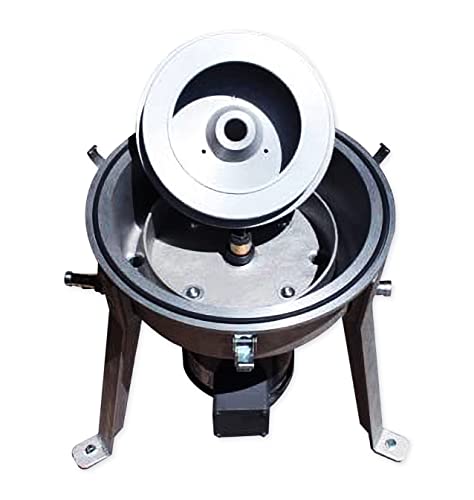
This unit is a mechanical centrifuge designed to clean waste vegetable oil (WVO) and other waste fluids prior to use as fuel. It separates solids and free water, producing a cleaner oil stream suitable for waste oil furnaces or diesel applications where processed waste oil is acceptable.
- Processing Rate: Up To 25 Gallons Per Hour — useful for small-to-medium shops producing regular waste oil volumes.
- Fluid Compatibility: Vegetable oils, motor oil, hydraulic oil, machining fluids — versatility for mixed waste streams.
- Dirt & Water Removal: Mechanical separation reduces suspended solids and free water, improving combustion reliability and reducing maintenance on burners.
Operationally, a centrifuge reduces downtime caused by nozzle clogs and burner fouling when feeding recycled oils to a shop heater. Users integrating recycled oil systems should still conduct basic fuel testing (viscosity, flash point) and filter downstream to recommended micron levels for their heater model. The centrifuge is a pre-treatment component rather than a heater itself, intended to prepare waste oil for safe, consistent combustion.
Waste Oil Heater For Reznor Clean Burn EnergyLogic Nozzle 30609-5, 102997

This listing supplies replacement nozzles compatible with several Reznor waste oil heater models. Nozzles are a common service item for waste oil furnaces and must match manufacturer specifications to maintain proper spray pattern and combustion stability.
Call 888-896-7031 for Free Local HVAC Quotes – Compare and Save Today!
- Fitment: Part Numbers 30609-5 and 102997 — indicated for Reznor RA140, RA150, RA235, RA250, RV225, RV325 models.
- OEM Compatibility: Designed as a direct replacement to restore factory performance after wear or clogging.
- Quality Factor: Replacement nozzles help maintain efficient combustion and reduce soot buildup when used with properly processed waste oil.
When operating a waste oil shop heater, periodic inspection and replacement of the nozzle is essential. Accumulated carbon and abrasive particulates in recycled oil cause wear and change the spray pattern over time. Using the correct nozzle part number preserves burner tuning and helps avoid increased emissions or flame instability.
Remington 140,000 BTU Kerosene/Diesel Heater | REM-140T-KFA-B

The Remington REM-140T is a robust forced-air heater designed for large open shops and construction sites. It accepts multiple liquid fuels including K-1 kerosene, #1 and #2 diesel, JP8/Jet A, and #1 and #2 fuel oil. While not advertised as a waste oil heater, its multi-fuel design can be relevant where processed waste oil matches the required fuel properties.
- Heat Output: 140,000 BTU — intended to warm spaces up to substantial square footage depending on insulation and ceiling height.
- Fuel Flexibility: Compatible With Kerosene, Diesel, And Certain Jet Fuels — usable where liquid fuel supply varies.
- Built-In Safety: 5-Point Safety System — high-temp shutoff, flameout protection, circuit breaking and thermal sensors reduce operational risk.
For shops considering running processed waste oil in a unit like this, note that manufacturers often require fuel to meet certain cleanliness and viscosity standards. Using a pre-treatment step (filtration, centrifuge, heating) is standard practice if waste oil is to be used safely and reliably. Evaluate manufacturer warranty and service policy before converting any commercial heater to alternative fuels.
LB White Tradesman K125 Heater 125,000 BTUH, Kerosene / #1 Fuel
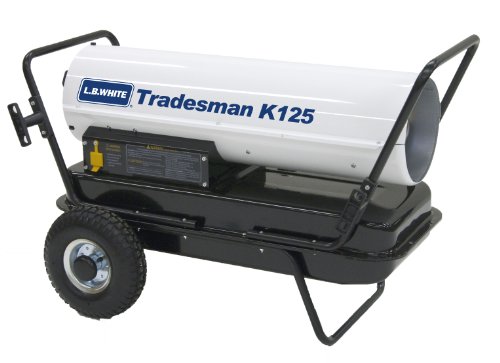
The LB White Tradesman K125 is a portable forced-air torpedo heater focused on rugged jobsite performance. It supports kerosene and No. 1 diesel/fuel oil, delivering directed heat quickly. Its construction emphasizes durability with brass fittings and enclosed motor design.
Call 888-896-7031 for Free Local HVAC Quotes – Compare and Save Today!
- Fuel Compatibility: Kerosene, No. 1 Diesel, No. 1 Fuel Oil — useful for sites where a self-contained fuel heater is preferred.
- Ignition: Dual-Prong Electronic Spark Ignition — simplifies reliable starts in variable conditions.
- Construction: Heavy-Duty Components — brass fittings and enclosed motor increase longevity under demanding use.
As with other multi-fuel units, adapting this type of heater to run on waste oil requires processed oil matching the heater’s combustion requirements. Typical steps include dewatering, filtration, and viscosity adjustment. For portable heaters, burner design and nozzle selection determine tolerance for recycled fuel; maintain service intervals and replace consumables as specified by the OEM.
Reznor 105,000 BTU Unit Natural Gas Heater Indoor Use | UDXC-100

The Reznor UDXC-100 is a ceiling-mount natural gas forced-air heater for workshops and garages. While it does not burn waste oil, its inclusion provides a direct-combustion, low-maintenance alternative for shops that prefer a gas-fired solution and want to compare installation and operating tradeoffs.
- BTU Output: 105,000 BTU With Two Output Levels — supports adaptable heating based on need and outdoor temperatures.
- Efficiency: ~83% Thermal Efficiency — standard for indoor gas-fired forced air units in its class.
- Mounting: Ceiling Or Wall Options — useful for maximizing floor space in a busy shop environment.
Comparing gas-fired units to waste oil systems highlights trade-offs: natural gas offers cleaner combustion, simpler maintenance, and consistent fuel quality, while waste oil systems can reuse on-site waste streams and lower fuel costs if managed correctly. Installation considerations differ widely: gas units require gas piping and venting compliance; waste oil burners require fuel handling, pre-treatment, and proper storage.
Buying Guide: How To Choose The Right Waste Oil Shop Heater System
Selecting a heater for a shop using waste oil involves evaluating fuel handling, burner compatibility, regulatory constraints, and operational costs. This guide covers the key factors to compare across products and system types.
1. Fuel Source And Processing
Waste oil varies in composition—vegetable oil, used motor oil, and mixed-shop oil streams differ in viscosity, water content, and solids. Pre-treatment is essential: filtration and dewatering (centrifuge or settling) reduce nozzle wear and combustion issues. Confirm that the heater or burner is rated for the processed fuel type and viscosity range.
2. Burner Design And Nozzle Compatibility
Burner performance depends on nozzle spray pattern, atomization quality, and fuel pressure. Use OEM nozzles or manufacturer-approved replacements (match part numbers) to ensure correct spray and flame stability. For waste oil, replace nozzles more frequently and monitor for carbon accumulation.
3. BTU Output Vs. Space Requirements
Calculate the heat load for your space using square footage, ceiling height, insulation, and cold-climate expectations. Forced-air torpedo heaters provide directional heat quickly; ceiling-mounted units distribute heat broadly. Oversized units cycle less but require proper ventilation; undersized units may struggle on cold days.
4. Safety Systems And Emissions
Look for built-in safety features: high-limit shutoffs, flame sensors, and flameout protection reduce fire risk. Waste oil combustion can produce more soot and emissions; compliant burners and proper maintenance minimize smoke and particulate output. Confirm local emissions regulations and permit requirements before installing a waste oil system.
5. Maintenance Requirements
Waste oil systems typically need more frequent maintenance: cleaning combustion chambers, replacing nozzles, servicing fuel pumps, and removing ash or soot. Factor in access for service, availability of replacement parts, and whether you have the skills/equipment for routine upkeep (e.g., centrifuge operation, filtration changes).
6. Installation And Venting
Proper venting, chimney sizing, and clearances are essential for safe operation. Gas heaters require dedicated gas lines and may need professional plumbing and inspection. Waste oil burners require secure storage tanks, heated feed lines in cold climates, and safe electrical connections for pumps and controls.
7. Cost Considerations Beyond Purchase Price
Consider total cost of ownership: fuel handling equipment (filters, centrifuge), spare parts (nozzles), maintenance labor, and any required permits or emissions controls. Waste oil can reduce fuel expenditure if collection is available, but equipment and service frequency must be included in long-term budgeting.
8. Environmental And Regulatory Factors
Using waste oil for heating may trigger local environmental rules or require permits. Document fuel sources, storage practices, and combustion controls. Consider installations that include emissions control or monitoring if required by local authorities.
9. Reliability And Backup Options
Assess whether you need redundancy: natural gas heaters provide stable fuel supply, while waste oil systems depend on consistent waste stream quality. Portable multi-fuel heaters offer operational flexibility but may not match the efficiency of fixed systems. Plan for backup heat sources if primary fuel supply is interrupted.
10. Matching Equipment Components
For a complete system, pair a reliable pre-treatment unit (filter or centrifuge) with a burner designed or adapted for processed waste oil. Use correct nozzles and maintain recommended filtration micron ratings. Check manufacturers’ documentation for approved fuel specifications and service intervals.
By comparing these perspectives—fuel quality and processing, burner and nozzle compatibility, heating capacity, maintenance, safety, and regulatory obligations—you can select a shop heating approach that balances reuse of waste oil with operational reliability and compliance. For shops using waste oil, a combination of a pre-treatment unit and purpose-built or adapted burners with OEM replacement parts is a standard, pragmatic path forward.
Tips for Getting the Best HVAC Prices
- Prioritize Quality Over Cost
The most critical factor in any HVAC project is the quality of the installation. Don’t compromise on contractor expertise just to save money. - Check for Rebates
Always research current rebates and incentives — they can significantly reduce your overall cost. - Compare Multiple Quotes
Request at least three estimates before making your choice. You can click here to get three free quotes from local professionals. These quotes include available rebates and tax credits and automatically exclude unqualified contractors. - Negotiate Smartly
Once you've chosen a contractor, use the proven strategies from our guide — How Homeowners Can Negotiate with HVAC Dealers — to get the best possible final price.