
Short Introduction: Choosing the right WiFi thermostat for heating can improve comfort, lower energy use, and add remote control conveniences. Below is a quick comparison table of five top options that cover conventional HVAC systems, heat pumps, and high-voltage electric baseboard heaters.
| Product | Best For | Key Feature |
|---|---|---|
| Honeywell Home RTH9585WF1004 | Whole-House Smart Control | Color Touchscreen, Multi-platform Compatibility |
| Honeywell Home RTH8800WF2022 (T5) | Geofencing & Scheduling | Geofencing, 7-Day Flexible Scheduling |
| Honeywell Home Wi‑Fi 7‑Day RTH6580WF | Energy Reports & Simplicity | ENERGY STAR, Monthly Energy Reports |
| Google Nest Thermostat (Charcoal) | Auto-Scheduling & Energy Savings | Auto-Away, Compatibility Checker, Works Without C-Wire Often |
| Mysa Smart Thermostat (Electric Baseboard) | High-Voltage Baseboard Heaters | Designed For 120–240V Electric Heaters, HomeKit Support |
Content Navigation
- Honeywell Home RTH9585WF1004 Wi‑Fi Smart Color Thermostat
- Honeywell Home RTH8800WF2022 T5 WiFi Smart Thermostat
- Honeywell Home Wi‑Fi 7‑Day Programmable Thermostat RTH6580WF
- Google Nest Thermostat Smart Thermostat (Charcoal)
- Mysa Smart Thermostat For Electric Baseboard Heaters
- Buying Guide: How To Choose The Right WiFi Heater Thermostat
- 1. System Compatibility
- 2. Power Requirements (C‑Wire)
- 3. Smart Home Integration
- 4. App And Remote Control
- 5. Scheduling And Automation
- 6. Energy Efficiency And Reporting
- 7. Display And User Interface
- 8. Installation And DIY vs Professional
- 9. Special Considerations For Electric Baseboards
- 10. Long-Term Support And Updates
- Comparison Perspectives To Weigh
Honeywell Home RTH9585WF1004 Wi‑Fi Smart Color Thermostat
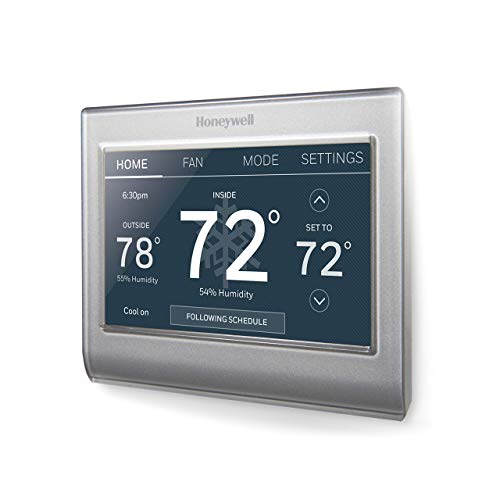
This Honeywell model offers a customizable full-color touchscreen and broad smart-home compatibility. It supports Alexa, Google Home, SmartThings, and IFTTT, and runs on 2.4 GHz Wi‑Fi networks. The thermostat displays local weather and both indoor and outdoor humidity, allowing more informed temperature control decisions.
- Compatibility: Works with many central air systems and heat pumps with auxiliary heat.
- Smart Features: Auto-updates for daylight saving time, multi-language support, and customized touchscreen layout.
- Utility Rebates: May qualify for utility rebates; check eligibility before purchase.
This unit targets users who want a visual, touch-first interface with integration across voice assistants and smart platforms. Confirm system wiring and 2.4 GHz network availability prior to installation.
Honeywell Home RTH8800WF2022 T5 WiFi Smart Thermostat

The Honeywell T5 is designed for users who want a mix of scheduling and location-based control. It supports 7-day flexible scheduling or geofencing that uses your smartphone location to adjust temperatures when you leave or return home.
Call 888-896-7031 for Free Local HVAC Quotes – Compare and Save Today!
- Energy Savings: Manufacturer data suggests 8–16% savings with regular scheduling use.
- Features: Geofence technology, flexible scheduling options, and compatibility with common smart home assistants.
- Power Requirements: C-wire required—verify home wiring before buying.
The T5 suits households that prefer automated away/home transitions based on location and want a balance of manual scheduling and smart automation. Check compatibility and consider geofencing privacy settings when enabling.
Honeywell Home Wi‑Fi 7‑Day Programmable Thermostat RTH6580WF

This ENERGY STAR certified thermostat emphasizes simplicity and utility reporting. It provides monthly energy reports and personalized tips to reduce consumption. The model supports enrollment in local utility demand response programs for potential additional savings.
- Certification: ENERGY STAR certified for energy-efficient operation.
- Power: C-wire power adapter required in some homes—check compatibility.
- Rebate Options: Eligible for some utility rebates and demand-response enrollment.
The RTH6580WF is suitable for users who want basic WiFi control with energy tracking rather than extensive app-based features. Verify the need for a C‑wire or adapter before ordering.
Google Nest Thermostat Smart Thermostat (Charcoal)
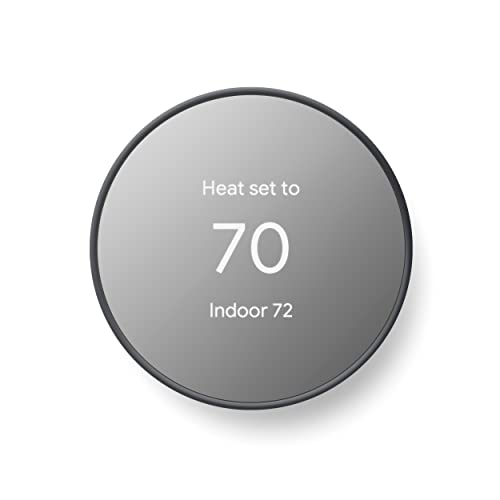
The Google Nest Thermostat focuses on automatic energy savings and simple user experience. It uses Auto-Away to turn down heating when the home is empty and includes a compatibility checker to determine system support.
Call 888-896-7031 for Free Local HVAC Quotes – Compare and Save Today!
- Power Flexibility: Designed to work without a C‑wire in many homes, though some systems still require one or a power accessory.
- Connectivity: Dual-band Wi‑Fi support and Bluetooth Low Energy for local interactions.
- Energy Features: ENERGY STAR certification and automatic adjustments to reduce wasted heating.
The Nest offers automated scheduling and simple app controls ideal for users who prefer set-and-forget energy optimization. Verify compatibility using Nest’s online checker for specific system types like zone control or heat pumps.
Mysa Smart Thermostat For Electric Baseboard Heaters

Mysa is purpose-built for high-line voltage electric heating systems such as 120–240V baseboard and fan-forced heaters. It includes a free mobile app, supports HomeKit, Alexa, and Google Home, and provides temperature plus humidity alerts.
- Compatibility Warning: Works only with high-voltage systems; requires at least four wires including neutral or second live wire.
- App Control: Free app for remote control and scheduling; no subscription fees.
- Energy Focus: In-app scheduling claims up to 26% energy savings depending on routines.
Mysa fits homes with electric baseboard heating where low-voltage thermostats cannot be used. Confirm wiring type, load limits (e.g., 3800W at 240V), and system age before purchase.
Buying Guide: How To Choose The Right WiFi Heater Thermostat
This guide helps compare features and match a thermostat to your heating system and lifestyle. Consider these key areas before purchase.
1. System Compatibility
Match The Voltage And Wiring: Confirm whether your heating system is low-voltage (24V) for most furnaces and central AC or high-voltage (120–240V) for electric baseboard heaters. Models like Mysa serve only high-voltage systems, while Honeywell and Nest are built for low-voltage HVAC systems.
2. Power Requirements (C‑Wire)
Check whether your home has a C-wire to provide constant power. Many smart thermostats require a C‑wire, or you may need a provided adapter. Google Nest often operates without a C‑wire in many setups, but some system types still require it.
3. Smart Home Integration
Decide which voice assistants or platforms you use. Products vary in support for Amazon Alexa, Google Assistant, Apple HomeKit, SmartThings, and IFTTT. Choose a thermostat that integrates into your existing smart ecosystem for voice control and automation.
4. App And Remote Control
Evaluate the mobile app’s features: scheduling, remote temperature control, energy reports, and alerts. Some apps are free without subscriptions (Mysa), while others provide utility report integration and demand-response enrollment options (Honeywell models).
5. Scheduling And Automation
Look for scheduling flexibility (7-day vs 5-1-1 vs simple mode), geofencing to auto-adjust when you’re away, and adaptive learning features. Nest tends toward automated learning, Honeywell offers explicit scheduling options and geofence in certain models, and T5 focuses on flexible schedules and location-based control.
6. Energy Efficiency And Reporting
ENERGY STAR certification and monthly energy reports help track consumption. If you’re pursuing utility rebates, choose models that explicitly qualify for rebates or demand-response programs. Review monthly reports and in-app tips to identify savings opportunities.
7. Display And User Interface
Consider whether you prefer a color touchscreen, simple button interface, or a minimalist display. Color touchscreens (RTH9585WF) provide more data at a glance; some prefer the compact, low-profile look of Nest or the dedicated display on Mysa for baseboards.
8. Installation And DIY vs Professional
Assess your comfort with wiring and installation. Many users can DIY install modern thermostats, but confirm wiring compatibility and confirm whether an adapter or professional installation is recommended, especially for high-voltage or older systems.
9. Special Considerations For Electric Baseboards
High-voltage thermostats require different installation and are not interchangeable with 24V units. Mysa models list strict compatibility and wiring requirements. Verify load capacity, wire count, and whether your heater is compatible before purchase.
10. Long-Term Support And Updates
Check manufacturer support, firmware update policy, and whether the thermostat is part of an active ecosystem. Ongoing app improvements and security updates matter for long-term reliability and smart-home compatibility.
Comparison Perspectives To Weigh
Technical Perspective: Confirm voltage, wiring, and control signal types. Incompatible voltage or missing C‑wire are common reasons for returns.
Energy Perspective: ENERGY STAR certification, scheduling, geofencing, and demand‑response participation drive savings. Track reports to measure impact over months.
User Experience Perspective: Consider interface preferences—touchscreen, minimalist display, or app-first control—and voice assistant support.
Installation Perspective: DIY-friendly models with clear guides and compatibility checkers streamline setup; high-voltage installations often need more caution and professional help if wiring is unclear.
Smart Home Perspective: If you already use a hub or assistant, prioritize thermostats with proven compatibility for routines and voice control.
Final Note: Before purchasing any WiFi thermostat, run a compatibility check, confirm wiring and voltage, and verify the features that matter most—remote control, energy reporting, scheduling, or baseboard compatibility. This helps ensure the selected thermostat will integrate smoothly with your heating system and daily routines.
Tips for Getting the Best HVAC Prices
- Prioritize Quality Over Cost
The most critical factor in any HVAC project is the quality of the installation. Don’t compromise on contractor expertise just to save money. - Check for Rebates
Always research current rebates and incentives — they can significantly reduce your overall cost. - Compare Multiple Quotes
Request at least three estimates before making your choice. You can click here to get three free quotes from local professionals. These quotes include available rebates and tax credits and automatically exclude unqualified contractors. - Negotiate Smartly
Once you've chosen a contractor, use the proven strategies from our guide — How Homeowners Can Negotiate with HVAC Dealers — to get the best possible final price.