
Choosing the right outdoor heater depends on installation type, power source, portability, and weather protection. Below is a concise comparison of five relevant patio and outdoor heaters selected from available options. The summary table highlights key specs to help you scan choices quickly.
| Product | Type / Fuel | Outdoor Rating | Control |
|---|---|---|---|
| ThermoMate Infrared Electric Patio Heater (3000W) | Hardwired Electric | Intended For Outdoor/Indoor Use | Remote With 24-Hour Timer |
| Dr Infrared Heater DR-238 Carbon Infrared | Plug-In Electric (120V) | IP55 Rated | Remote Control |
| Mr. Heater Portable Buddy MH9BX | Propane (Portable) | Indoor-Safe / Outdoor Use | Manual Controls |
| Yattberak Dog House Heater (Smart WiFi) | Electric (500W) For Pet Houses | IPX5 Waterproof | App Remote & Thermostat |
| PowerScale Infrared Heater (1500W) | Wall-Mounted Electric | IP65 Rated | Remote, Touchscreen, 24H Timer |
Content Navigation
- ThermoMate Infrared Electric Patio Heater, 3000W
- Dr Infrared Heater DR-238 Carbon Infrared Outdoor Heater
- Mr. Heater Portable Buddy Heater MH9BX
- Yattberak Dog House Heater With App Remote & Thermostat
- PowerScale Infrared Heater 1500W With 24H Timer
- Buying Guide: Key Factors When Choosing An Outdoor Heater
- 1. Heat Source And Fuel Type
- 2. Power And Coverage
- 3. Weather Resistance And IP Ratings
- 4. Controls, Timers, And Connectivity
- 5. Installation And Electrical Requirements
- 6. Safety Features
- 7. Portability Versus Permanent Installation
- 8. Energy Efficiency And Operating Costs
- 9. Intended Use Cases
- 10. Comparison Perspectives
ThermoMate Infrared Electric Patio Heater, 3000W

The ThermoMate is a high-output infrared carbon fiber heater designed to deliver fast, direct warmth. It claims a 3-second instant heat response and a 3000W maximum output intended to cover approximately 120 square feet in outdoor conditions and more in enclosed spaces. The unit requires hardwiring to a dedicated 240V circuit and includes a 24-hour programmable remote with low (1500W) and high (3000W) modes. Recommended mounting height is listed at about 7.88 feet.
Key practical considerations: the ThermoMate focuses heat on people and objects rather than air, which reduces wind-related heat loss. Installation requires electrical work and a dedicated breaker. The remote timer and dual power modes support scheduled use and energy management.
Dr Infrared Heater DR-238 Carbon Infrared Outdoor Heater
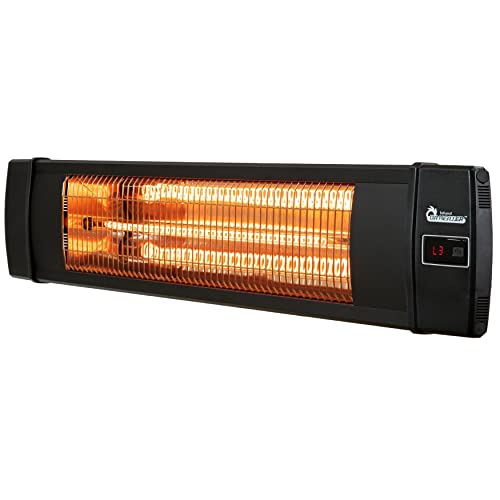
The DR-238 is a plug-and-go 120V infrared heater with three power settings (900W, 1200W, 1500W). It carries an IP55 rating for indoor and outdoor use, indicating protection against dust and water jets, making it suitable for covered patios and restaurant terraces. Remote control simplifies operation from a distance.
Call 888-896-7031 for Free Local HVAC Quotes – Compare and Save Today!
Performance notes: the unit provides clean, instant, odorless infrared heat and multiple power levels for adjusting comfort and energy use. The 120V plug makes it broadly compatible with residential outlets without hardwiring. As an electrically powered infrared option, it primarily warms people and surfaces rather than ambient air.
Mr. Heater Portable Buddy Heater MH9BX
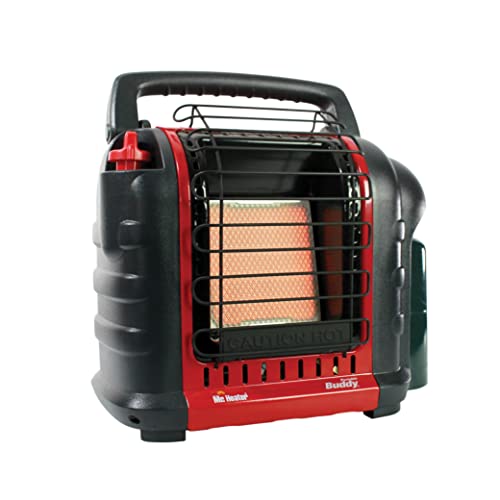
The Mr. Heater Portable Buddy is a propane-powered radiant heater with adjustable output from 4,000 to 9,000 BTU, suitable for up to about 225 sq ft per the manufacturer. It uses infrared-style radiant heat to warm objects and people directly and features an improved tip-over safety switch and a durable piezo igniter for reliable starting without matches or batteries.
Use-case details: as a portable fuel-based unit, it delivers warmth where electrical options aren’t available. It is described as indoor-safe by the brand for well-ventilated spaces and also commonly used outdoors. Safety systems and portability make it convenient for workshops, camps, and temporary patio heating, but fuel handling and ventilation requirements differ from electric models.
Yattberak Dog House Heater With App Remote & Thermostat

Designed for pet houses, the Yattberak model is a 500W PTC electric heater with WiFi app control, an internal thermostat, and a 24-hour timer. It advertises IPX5 waterproofing and anti-chew cord protection for outdoor pet use. The unit claims quick 3-second warm-up and automatic temperature cycling to save energy and maintain setpoints.
Call 888-896-7031 for Free Local HVAC Quotes – Compare and Save Today!
Relevance to patio heating: while compact and lower power than full patio units, this device demonstrates the value of smart remote control and thermostat automation for targeted space heating. It’s optimized for enclosed small volumes (dog houses) rather than open decks, but the wireless app features illustrate how connected controls can improve convenience and safety.
PowerScale Infrared Heater 1500W With 24H Timer

The PowerScale infrared heater is a wall-mounted electric patio heater rated at 1500W with IP65 dust/water protection and multiple safety features including overheating protection. It features a touchscreen, remote control, a 9-level heat setting and memory function, plus a 24-hour timer for scheduled operation.
Operational considerations: the unit claims rapid heat-up within seconds and coverage up to about 10 feet of effective warmth. The IP65 rating and ETL certification suggest suitability for exposed outdoor environments when mounted according to instructions. Memory and programmable functions make it convenient for repeated use at preferred settings.
Buying Guide: Key Factors When Choosing An Outdoor Heater
Selecting the appropriate outdoor heater requires balancing heat output, fuel type, weather resilience, control options, installation complexity, and safety features. Below are the main considerations and how they differ across product types.
Tips for Getting the Best HVAC Prices
- Prioritize Quality Over Cost
The most critical factor in any HVAC project is the quality of the installation. Don’t compromise on contractor expertise just to save money. - Check for Rebates
Always research current rebates and incentives — they can significantly reduce your overall cost. - Compare Multiple Quotes
Request at least three estimates before making your choice. You can click here to get three free quotes from local professionals. These quotes include available rebates and tax credits and automatically exclude unqualified contractors. - Negotiate Smartly
Once you've chosen a contractor, use the proven strategies from our guide — How Homeowners Can Negotiate with HVAC Dealers — to get the best possible final price.
1. Heat Source And Fuel Type
- Electric Infrared Heaters (plug-in or hardwired): Heat people and objects directly, less affected by drafts, cleaner operation, generally lower installation complexity for plug models. Suitable for covered patios and can be IP-rated for outdoor exposure.
- Propane/LP Heaters: Portable, high output, work where electricity isn’t available. Require fuel storage and ventilation considerations.
- Low-Wattage Specialty Heaters (e.g., pet house heaters): Built for small enclosed spaces and emphasize thermostatic control and safety rather than open-area heating.
2. Power And Coverage
- Match wattage/BTU to space: higher wattage or BTUs cover larger areas. Infrared ratings often list effective coverage as feet of reach, while BTU models list square footage.
- Consider wind and openness: radiant heaters perform better in windy, open areas than convection heaters because they heat objects directly.
3. Weather Resistance And IP Ratings
- IP Ratings (e.g., IP55, IP65) indicate dust and water protection. For exposed patios choose IP65 or better; covered or semi-sheltered areas can use IP55 or lower depending on exposure.
- Corrosion resistance and recommended mounting height are also relevant for permanent outdoor installations.
4. Controls, Timers, And Connectivity
- Remote Controls and Timers add convenience and energy savings. A memory function helps restore prior settings.
- Smart/WiFi Controls enable scheduling and remote monitoring but may be unnecessary for simple patio use; they provide value for pet heaters or integrated outdoor living setups.
5. Installation And Electrical Requirements
- Plug-In Models use standard 120V outlets and are easiest to install.
- Hardwired Units may offer higher power but require professional installation, dedicated breakers, and code compliance.
- Wall- or ceiling-mounted units need appropriate hardware and correct mounting height for optimal performance.
6. Safety Features
- Look for overheat protection, tip-over switches (for portable models), and certified safety listings (ETL/UL). Propane units require attention to ventilation and CO precautions.
- For pet and small-enclosure heaters, anti-chew cords and waterproofing are important.
7. Portability Versus Permanent Installation
- Portable heaters (propane or plug-in) offer flexibility and seasonal storage.
- Fixed heaters (hardwired or wall-mounted) provide cleaner aesthetics and continuous coverage but reduce flexibility and can increase installation cost.
8. Energy Efficiency And Operating Costs
- Infrared heaters often feel warmer at lower ambient temperatures since they heat objects directly, which can be more efficient for occupied zones.
- Consider duty cycles, thermostat control, and timer functions to limit run time and energy use.
9. Intended Use Cases
- Choose portable propane for remote or off-grid situations.
- Choose plug-in or wall-mounted electric infrared for residential patios, restaurants, and decks where wiring or outlets are available.
- Choose specialty pet heaters or small PTC units for enclosed pet shelters or small structures.
10. Comparison Perspectives
- Cost To Install vs. Flexibility: Hardwired units often cost more to install but integrate cleanly; portable models save on installation but may require fuel or extension cords.
- Coverage vs. Portability: Propane or high-watt wall-mounted units typically provide larger coverage. Small smart pet heaters are best for enclosed micro-spaces rather than open patios.
- Durability vs. Convenience: Higher IP ratings and robust construction favor long-term outdoor use; advanced controls and app integration favor convenience and automation.