
Find reliable wood heaters with blowers to move warm air through your home, reclaim chimney heat, or boost fireplace output. Below is a quick comparison of five top options selected for performance, installation type, and blower features.
| Product | Type | Key Feature |
|---|---|---|
| Spitfire Fireplace Heater (Woodeze) | Fireplace Tube Heater | 2-Speed Blower, 45,000 BTU |
| Ashley Hearth AW3200E-P | Pedestal Wood Stove | 152,000 BTU, Blower Included |
| JossaColar Heat Powered Fan | Thermoelectric Stove Fan | Self-powered, No Electricity |
| Buck Stove Fireplace Insert Model 21 | Insert With Heat-Activated Blower | 28,901 BTU, Insert Trim Kit |
| HY-C MH-6R Magic Heat Reclaimer | Chimney Heat Reclaimer | UL Listed, Reclaims Up To 30% Heat |
Content Navigation
Spitfire Fireplace Heater

This 6-tube hearth heater is sized for smaller fireplaces and is built from heavy-gauge aluminized steel tubes designed to capture and transfer heat from the firebox into the room. The unit advertises a maximum output of 45,000 BTUs and includes a 2-speed blower to vary airflow between gentle circulation and more aggressive distribution. Installation is typically inside the fireplace opening, and the compact footprint suits cabins, dens, or modest living rooms. The dual-speed fan gives basic control over heat movement without complex electronics.
Ashley Hearth AW3200E-P Stove
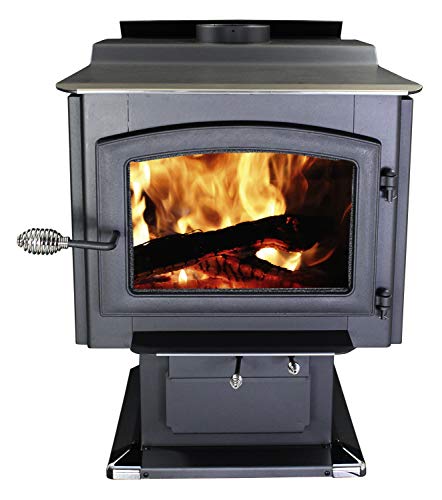
The Ashley Hearth AW3200E-P is a pedestal wood-burning stove rated at 152,000 BTUs, with an EPA certification and capacity to heat up to 3,200 square feet. Constructed from heavy-gauge 3/16″ plate steel and lined with firebrick, it is designed for long service life and efficient combustion. The stove accepts long logs (up to 18–22″) and holds substantial fuel loads. Included is a blower to distribute heat beyond the immediate stove area, improving comfort in larger or open-plan spaces. Installation requires proper clearances and a compatible flue system.
JossaColar Heat Powered Fan

Call 888-896-7031 for Free Local HVAC Quotes – Compare and Save Today!
This thermoelectric stove fan operates without electricity, using the temperature differential between its base and top to power a small motor and aluminum blades. It is compact, intended to sit on a stove or stove-top surface, and spreads convected heat into the room. The fan includes a magnetic thermometer and is backed by a stated warranty. The aluminum curved blades are optimized for longevity and airflow. As a passive power option, it is useful where electrical access is limited or to reduce operational costs.
Buck Stove Insert Model 21

The Buck Stove Model 21 is a non-catalytic insert with a heat-activated blower and a rated output of 28,901 BTUs, suitable for heating approximately 1,800 square feet. It offers flexible installation with customizable trim kits to conceal gaps and match décor. The insert emphasizes a traditional visual style and a large viewing area. The heat-activated blower increases convective distribution without separate electrical controls, and the option of different door finishes supports aesthetic integration into existing hearths.
HY-C MH-6R Heat Reclaimer
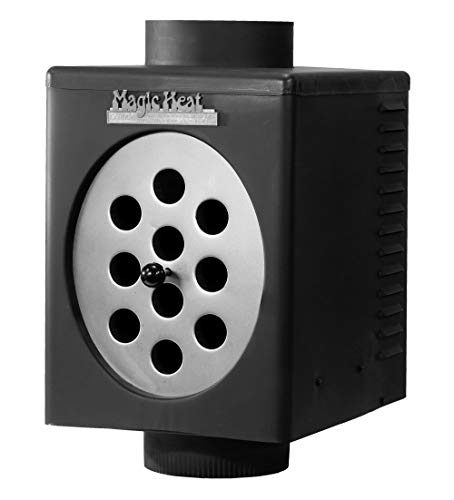
The HY-C MH-6R is a UL-listed heat reclaimer that mounts to a 6″ single-wall chimney pipe and captures flue heat that would otherwise be lost. The unit claims to reclaim up to 30% of otherwise lost heat and redistributes it into the living space. It features a crimp-down configuration, a built-in soot scraper for internal tube maintenance, and is designed for high-flue-temperature applications. This device is best suited for installations where flue temperatures exceed the stated thresholds and where homeowners want to increase overall system efficiency.
Buying Guide
Selecting the right wood heater with a blower depends on room size, installation type, desired control, and efficiency priorities. Below are the key considerations and comparison perspectives to guide purchasing decisions.
Call 888-896-7031 for Free Local HVAC Quotes – Compare and Save Today!
Types And Installation
- Fireplace Tube Heaters (like the Spitfire) sit inside a fireplace opening and are best for retrofits in existing hearths with limited space. They require minimal structural modification.
- Freestanding Stoves (Ashley Hearth models) are standalone units requiring a proper flue connection, clearances, and often a hearth pad. They deliver higher BTU outputs suitable for heating larger areas.
- Inserts (Buck Stove) replace existing fireplaces and improve efficiency by sealing and channeling combustion air through the insert body, often with built-in blowers.
- Heat Reclaimers (HY-C) attach to chimney flues to capture wasted heat and are useful when upgrading distribution without altering the stove or fireplace.
- Thermoelectric Fans (JossaColar) provide supplemental airflow without electrical wiring and are ideal for incremental improvement of heat spread.
Blower Types And Power
- Electric Blowers offer consistent airflow and often multiple speed settings; they may require an outlet and increase electrical load.
- Heat-Activated Blowers operate automatically when the stove or insert reaches operating temperature, requiring no external power source for activation.
- Thermoelectric Fans generate power from heat differentials—no wiring or batteries—suitable for modest airflow improvements and silent operation.
Performance Metrics To Compare
- BTU Output: Match BTU range to your home or zone size. Higher BTUs do not always equal better efficiency—consider how heat is distributed.
- Coverage Area: Manufacturer square-foot estimates are useful for initial screening but factor in ceiling height, insulation, and layout.
- Blower Capacity: Look for multi-speed blowers or known CFM ratings when available to assess how effectively warm air moves into living spaces.
- Material And Durability: Heavy-gauge steel and firebrick linings increase longevity and combustion efficiency for stoves and inserts.
Efficiency And Emissions
- EPA Certification indicates stricter emissions controls and generally cleaner combustion; consider certified models for lower particulate output.
- Non-Catalytic vs Catalytic: Non-catalytic systems are simpler and robust; catalytic units can extract more heat at lower burn rates but require more maintenance.
- Heat Reclamation accessories can improve overall system efficiency by capturing flue heat, reducing wasted energy.
Practical Considerations
- Installation Requirements: Verify chimney type, clearances, and local code compliance. Some units require professional installation.
- Maintenance: Regular ash removal, chimney cleaning, and blower maintenance extend service life. Units with built-in soot scrapers simplify upkeep.
- Noise: Blower noise varies; heat-powered fans are generally quiet while larger electric blowers may produce audible airflow sounds.
- Controls And Safety: Consider thermostatic or variable-speed controls for comfort. Ensure proper venting and carbon monoxide safeguards in your home.
Comparison Perspectives
- Small Fireplace Retrofit: Choose compact tube heaters or insert models to avoid major construction—look for units with built-in blowers for added distribution.
- Whole-Home Or Large Area Heating: High-BTU pedestal stoves with robust blowers are more suitable; verify flue capacity and clearance needs.
- Electricity-Limited Locations: Thermoelectric fans and heat-activated blowers provide circulation without external power.
- Maximizing Efficiency: Combine a well-sealed stove/insert with a heat reclaimer to recapture flue losses and improve distribution.
When evaluating models, cross-check manufacturer specifications, installation manuals, and local code requirements. Matching unit type to room geometry, fuel availability, and maintenance willingness will yield the best long-term performance.
Tips for Getting the Best HVAC Prices
- Prioritize Quality Over Cost
The most critical factor in any HVAC project is the quality of the installation. Don’t compromise on contractor expertise just to save money. - Check for Rebates
Always research current rebates and incentives — they can significantly reduce your overall cost. - Compare Multiple Quotes
Request at least three estimates before making your choice. You can click here to get three free quotes from local professionals. These quotes include available rebates and tax credits and automatically exclude unqualified contractors. - Negotiate Smartly
Once you've chosen a contractor, use the proven strategies from our guide — How Homeowners Can Negotiate with HVAC Dealers — to get the best possible final price.