
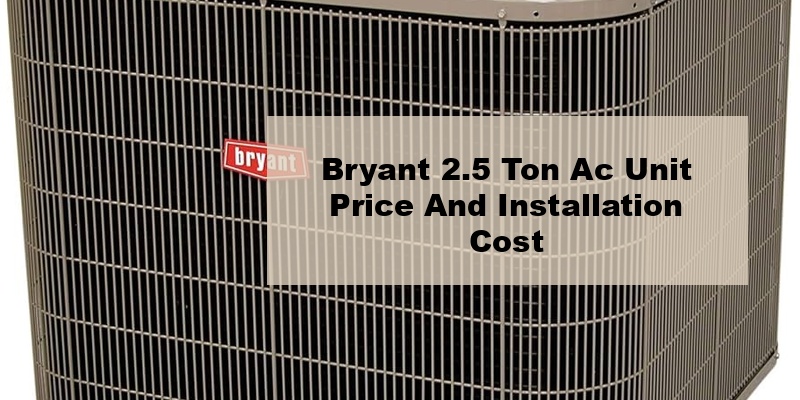
Buying a Bryant 2.5 ton air conditioner involves balancing the initial unit price with installation costs, ductwork needs, and long-term energy savings. A 2.5-ton system is designed for homes in the 1,200 to 1,800 square foot range, offering a practical blend of cooling capacity and efficiency for many American households. This article breaks down typical price ranges for Bryant 2.5 ton units, installation expenses, and factors that influence total costs. It also covers efficiency ratings, warranties, rebates, and how to choose a qualified installer to get the best value.
Content Navigation
- What A Bryant 2.5 Ton System Includes
- Key Factors That Influence Price
- Typical Price Range: Bryant 2.5 Ton Unit
- Installation Costs And Considerations
- Additional Costs And Hidden Fees
- Efficiency, SEER Ratings, And Model Suggestions
- Warranties, Maintenance, And Reliability
- Rebates, Financing, And Incentives
- Choosing A Qualified Contractor
- Frequently Asked Questions
What A Bryant 2.5 Ton System Includes
A Bryant 2.5 ton system typically comprises an outdoor condenser, an indoor air handler or furnace-compatible coil, refrigerant lines, a thermostat, and basic electrical connections. The system is available in multiple efficiency levels, commonly ranging from 13 SEER to higher SEER options like 16 SEER or more, depending on the model series. Higher SEER models reduce annual cooling costs but come with a higher upfront price. When evaluating a Bryant installation, buyers should consider whether the current ductwork is adequate or requires upgrades to support a higher efficiency unit.
Key components include a matched outdoor condenser, an indoor air handler or furnace coil, a properly sized refrigerant line set, a condensate drain, a thermostat, and, in some cases, a new filter system or zoning controls. For accurate compatibility, installers verify the existing electrical service, ensure proper refrigerant charge, and confirm adequate airflow across the evaporator coil. This coordination is essential for performance and avoiding short cycling or uneven cooling, especially in retrofit projects.
Key Factors That Influence Price
Several variables determine the final cost of a Bryant 2.5 ton system, not just the price tag on the unit itself. Efficiency (SEER) is a major driver: higher SEER models often cost more upfront but save more on electricity over time. Installer labor and regional wage differences can significantly affect totals. Duct condition and required modifications, such as adding or enlarging ducts, repairs to leaks, or sealing, add to labor time and cost. Regional permitting and code requirements can also add fees.
Other influences include whether a new condenser is paired with a compatible furnace or air handler, the length of the refrigerant line set, and the ease of access for installation. If old equipment must be removed or disposed of, disposal fees may apply. Lastly, some contractors bundle in a smart thermostat or air quality upgrades, which can shift the overall price.
Typical Price Range: Bryant 2.5 Ton Unit
Understanding a realistic price range helps homeowners plan. Average unit price for a Bryant 2.5 ton outdoor condenser typically falls between $1,200 and $2,800, depending on SEER and features. Indoor components such as the air handler or coil generally range from $1,000 to $2,500. When combined with labor and any necessary duct or electrical work, the total installed cost commonly ranges from $4,000 to $9,000 in the United States. These ranges reflect typical markets but can vary by region, contractor, and project specifics.
Call 888-896-7031 for Free Local HVAC Quotes – Compare and Save Today!
For a clearer snapshot, a sample price table can help compare components and installed costs. Note that online price quotes without an on-site assessment may omit critical factors such as ductwork changes or permit fees.
| Component | Typical Price Range |
|---|---|
| Bryant 2.5 Ton Condenser (Outdoor Unit) | $1,200 – $2,800 |
| Indoor Air Handler or Coil (with Compatibility) | $1,000 – $2,500 |
| Labor and Installation | $1,500 – $4,500 |
| Permits/Ductwork Modifications | $300 – $1,500 |
| Total Installed Cost (Typical) | $4,000 – $9,000 |
Installation Costs And Considerations
Installation costs depend heavily on site specifics. A straightforward replacement in a home with adequate ductwork and no electrical upgrades may sit toward the lower end of the range, while a retrofit with duct sealing, zoning, or new electrical service can push totals higher. Proper installation involves sizing the system to the home’s cooling load, ensuring a clean refrigerant charge, and verifying airflow. Poor installation can reduce comfort, shorten equipment life, and undermine warranty coverage.
Important considerations include duct integrity, refrigerant line length, condensate drainage, electrical service capacity, and the need for a condensate pump or additional safety switches. If the existing ductwork is undersized or leaky, contractors may quote duct sealing or re‑routing as part of the job. Scheduling a certified technician helps ensure the system performs as designed and complies with local codes.
Additional Costs And Hidden Fees
Unforeseen expenses can appear after initial estimates. Some common add-ons include extended warranties, premium refrigerants, or upgraded thermostats and zoning controls. Labor surcharges may apply for complex roof runs, limited attic access, or work performed in extreme weather. Always request a written estimate that itemizes components, labor, permits, and any potential add-ons. Insurance and warranty terms also matter; confirm what is covered if a component fails and whether registration is required to activate warranties.
Potential surprises include duct cleaning or sealing, attic or crawlspace insulation improvements, and electrical panel upgrades to support higher amperage requirements. Request a comprehensive, written scope of work to avoid scope creep.
Efficiency, SEER Ratings, And Model Suggestions
Bryant’s 2.5 ton lineup spans a range of SEER ratings. Lower SEER models are more affordable upfront but cost more to operate, while higher SEER units deliver greater energy savings over time. For most U.S. homes, a 16 SEER Bryant system balances price and efficiency, with some models offering up to 18–21 SEER in premium lines. When choosing, homeowners should consider climate, typical usage hours, and utility rates. A higher SEER unit may qualify for utility rebates, which can offset the initial premium. Energy.gov and energy-efficiency resources recommend sizing and efficiency based on climate and load calculations.
Call 888-896-7031 for Free Local HVAC Quotes – Compare and Save Today!
In practice, homeowners often select a Bryant package that includes a compatible air handler, filter options, and simple thermostats. For homes in warmer regions, a higher SEER unit may provide notable annual savings, especially when paired with smart thermostat controls and zoning.
Warranties, Maintenance, And Reliability
Bryant offers manufacturer warranties that typically include a 10-year limited warranty on parts for many models, with variations by model and registration. Maintenance is essential to sustain efficiency and longevity: annual professional tune-ups, refrigerant checks, thermostat calibration, and filter changes every 1–3 months depending on usage. Regular maintenance can help prevent common issues like reduced airflow, coil fouling, and refrigerant leaks. Homeowners should verify warranty terms and the registration process with the installing contractor or Bryant’s official site.
Reliability depends on proper sizing, installation quality, and ongoing maintenance. Selecting an experienced, factory-trained installer can reduce the risk of early failures and ensure the unit runs within its design specifications.
Rebates, Financing, And Incentives
Many states and utilities offer rebates for energy-efficient air conditioning installations, especially for higher SEER units. These incentives can significantly offset the upfront cost. Prospective buyers should check state programs and utility portals, or use federal resources like DSIRE to locate available rebates. Financing options from contractors or lenders may also ease the cash flow for a Bryant installation. DSIRE provides a comprehensive, state-by-state directory of incentives that commonly apply to central air upgrades.
Additionally, some manufacturers and retailers run promotional pricing or seasonal discounts. It’s prudent to ask about current promotions and to compare offers from multiple contractors to maximize the total savings.
Choosing A Qualified Contractor
Installing a Bryant 2.5 ton system requires a licensed HVAC professional. Prospective buyers should obtain written estimates from at least two contractors, confirm they carry appropriate liability and workers’ compensation insurance, and request references. A quality contractor will perform load calculations (such as Manual J), inspect ductwork, verify electrical capacity, and provide a detailed installation plan with timelines. Verify that the installer will handle permit submissions and provide documentation for warranty activation.
When comparing bids, focus on system match, warranty terms, estimated energy savings, and post-installation service. A well-documented contract reduces the risk of cost overruns and ensures clarity on what is included in the price.
Frequently Asked Questions
Q: Can I replace just the condenser if the indoor unit is working? A: It is usually recommended to replace both to ensure compatible efficiency and proper refrigerant charge. A thorough assessment by a licensed HVAC tech is essential.
Q: Do higher SEER Bryant units require special ductwork? A: Not always, but higher SEER units can demand better airflow and sealed ducts to achieve rated efficiency, making duct assessment important.
Q: Are Bryant warranties transferable? A: Warranties typically remain with the original purchaser, but terms vary; confirm transferability when purchasing.
Q: How long does installation take? A: Most residential replacements take 1–2 days, depending on ductwork and system complexity.
As prices and programs change, consult current manufacturer literature and local contractors for the most accurate quotes. Always verify that the contractor’s estimate aligns with the home’s cooling load and local codes.
Tips for Getting the Best HVAC Prices
- Prioritize Quality Over Cost
The most critical factor in any HVAC project is the quality of the installation. Don’t compromise on contractor expertise just to save money. - Check for Rebates
Always research current rebates and incentives — they can significantly reduce your overall cost. - Compare Multiple Quotes
Request at least three estimates before making your choice. You can click here to get three free quotes from local professionals. These quotes include available rebates and tax credits and automatically exclude unqualified contractors. - Negotiate Smartly
Once you've chosen a contractor, use the proven strategies from our guide — How Homeowners Can Negotiate with HVAC Dealers — to get the best possible final price.