
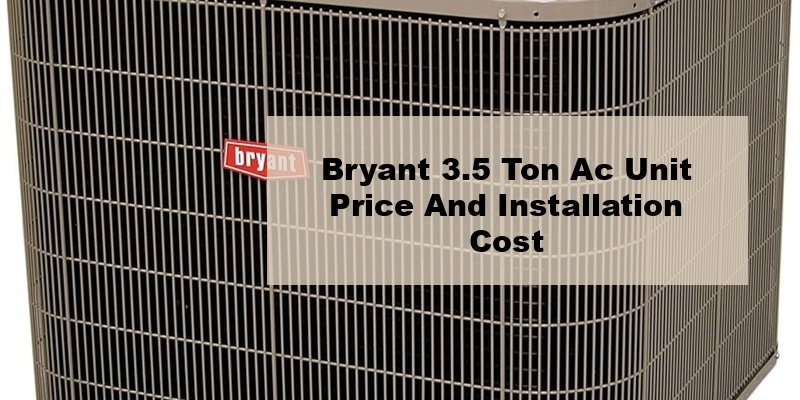
The Bryant 3.5 ton air conditioning system is a common choice for mid-size homes in many parts of the United States. Understanding the components of cost—from the outdoor condenser to the ductwork and labor—helps homeowners plan and avoid surprises. This guide breaks down unit prices, installation fees, efficiency options, and the key variables that influence total cost. It also offers practical tips for getting accurate quotes, maximizing efficiency, and navigating warranties, rebates, and financing.
For many households, a Bryant 3.5 ton system represents a balance of cooling power, reliability, and energy efficiency. A 3.5 ton capacity (about 42,000 BTU) is typically suitable for homes in the 1,800 to 2,400 square foot range, depending on climate, insulation, and duct design. The actual price you see will hinge on the exact Bryant model line, the SEER rating chosen, existing ductwork, and regional labor rates. The following sections provide a detailed, practical framework to estimate costs and compare options.
Content Navigation
- Overview Of Bryant 3.5 Ton Systems
- Pricing Breakdown: Unit Price Versus Installed Cost
- Efficiency, Model Tiers And What It Means For Price
- Factors That Drive Installation Costs
- Warranty And Reliability
- How To Get An Accurate Estimate: Quotes And comparisons
- Rebates, Financing And Tax Credits
- What To Expect During Installation
- Maintenance Tips To Maximize Longevity And Efficiency
Overview Of Bryant 3.5 Ton Systems
Bryant offers multiple lines that include 3.5 ton central air conditioners, primarily distinguished by efficiency, features, and price. The Evolution line targets high efficiency with modern features, the Preferred line balances cost and performance, and the Legacy line provides a more economical option. The same 3.5 ton capacity can appear across these tiers, but the installed performance and warranty coverage will differ by model.
Key considerations when evaluating Bryant 3.5 ton systems include SEER rating, compressor technology, and compatibility with existing components such as the thermostat and ductwork. Higher SEER ratings typically come with a higher upfront unit price but lower operating costs over time. In the United States, most Bryant modules in this range offer SEER ratings from the mid-teens to the low twenties, depending on the model and configuration.
Typical realities for homeowners include:
- 3.5 ton capacity aligns with moderate home sizes and climate zones with warm summers.
- Advanced features like variable-speed blowers or dual-stage compressors are more common in higher-tier Bryant systems.
- System selection should account for duct design, insulation, and local weather patterns to optimize performance.
Pricing Breakdown: Unit Price Versus Installed Cost
When budgeting, separate the outdoor condenser price from the installation cost. The Bryant outdoor unit price varies by model and efficiency. Expect a range roughly from the mid $1,000s to the low $4,000s for the unit alone, with higher-end, high-SEER Evolution models at the upper end of that spectrum. The exact price depends on the compressor type, coil configuration, and any smart features or enhanced warranties included by the manufacturer.
Call 888-896-7031 for Free Local HVAC Quotes – Compare and Save Today!
Installation costs include labor, refrigerant line sets, electrical work, duct routing or modifications, permits, and a start-up with testing. In most markets, complete installed costs for a Bryant 3.5 ton system typically fall in the broad range of $4,000 to $9,000. In urban areas with complex ductwork, outdated electrical systems, or sizeable return air modifications, total installed costs can exceed $9,000. Conversely, homes with straightforward installs and existing compatible ductwork may fall toward the lower end of the range.
To summarize the price picture:
- Unit price (outdoor condenser only): roughly $1,400 to $4,000, depending on model and efficiency.
- Labor and installation: commonly $2,000 to $5,000, influenced by ductwork, permits, and electrical upgrades.
- Total installed cost: typically $4,000 to $9,000, with regional variation.
Note that promotions, contractor discounts, and bundled services can shift these figures. Always seek written estimates that itemize parts, labor, and any add-ons, and verify what is included in the warranty terms.
Efficiency, Model Tiers And What It Means For Price
Efficiency drives both the upfront and operating costs of a Bryant 3.5 ton system. SEER (Seasonal Energy Efficiency Ratio) is the primary rating used to compare energy use. Higher SEER units cost more upfront but typically deliver lower monthly utility bills. The Evolution line often delivers the highest efficiency, followed by Preferred, with Legacy offering more budget-friendly options.
Model selection should consider long-term savings, climate, and replacement timelines. For example, a home with high electricity rates and long cooling seasons may recoup the extra cost of a 17–21 SEER Evolution unit more quickly than a shorter-season home. In contrast, a modest climate with moderate summer heat might justify a mid-range 15–16 SEER Bryant model for a favorable balance of price and efficiency.
Tiered Considerations
- Evolution models typically offer the best efficiency, advanced controls, and premium warranties.
- Preferred models provide strong performance with solid efficiency without the premium price tag of Evolution.
- Legacy models are designed to be cost-conscious, with dependable performance but fewer high-end features.
When evaluating price, homeowners should translate efficiency gains into potential energy savings. An energy calculator or a contractor’s analysis can show how many years it takes to recoup the additional upfront cost through lower bills.
Call 888-896-7031 for Free Local HVAC Quotes – Compare and Save Today!
Factors That Drive Installation Costs
Several variables influence the installation bill beyond the unit itself. Understanding these helps homeowners prepare and negotiate accurately.
- Ductwork condition and size: Replacing a 3.5 ton unit may require upgrades if ducts aren’t properly sized or sealed for the higher airflow demands.
- Existing system removal: Removing an old condenser, coil, and line set adds labor time and disposal costs.
- Line set and refrigerant: Length of refrigerant lines, insulation, and refrigerant type (R-410A is common) affect material costs.
- Electrical work: New disconnects, breakers, or panel upgrades may be necessary for safe operation and code compliance.
- Permits and inspections: Local regulations may require permits and inspections, adding time and fees.
- Accessibility and installation complexity: Rooftop units, limited workspace, or tight clearances increase labor and equipment handling time.
Labor costs can vary by region and contractor. Always request a detailed written proposal that specifies equipment, labor, permits, disposal, and warranty terms to avoid hidden charges.
Warranty And Reliability
Warranty coverage is a critical component of the total value of a Bryant system. Most Bryant products come with a substantial warranty package, particularly when the system is registered and installed by a qualified contractor. Typical terms include a limited warranty on parts and a separate warranty on the compressor, often ranging up to ten years. Some promotions or extended warranties cover additional components for longer periods. It is important to review the fine print for registration requirements, maintenance obligations, and exclusions for improper installation or lack of service.
Reliability also hinges on installation quality. An improperly sized system or poor duct design can erode performance and shorten equipment life. Choosing a factory-trained, NATE-certified installer and requesting a commissioning report after installation helps ensure the unit operates as designed and aligns with warranty terms.
How To Get An Accurate Estimate: Quotes And comparisons
To obtain precise estimates for a Bryant 3.5 ton system, follow a structured approach. Start with multiple in-home assessments so each quote reflects the specifics of your home.
- Request written, itemized quotes that separate equipment, installation, ductwork, electrical work, permits, and disposal.
- Ask about equipment compatibility with your existing thermostat and any zoning or smart-home integrations.
- Verify the model and SEER rating proposed by the contractor and confirm the exact Bryant line (Evolution, Preferred, or Legacy).
- Ensure the quote includes a start-up, testing, and a clear warranty description with registration steps.
- Check references and read reviews focused on local installation quality and post-install service.
Obtain a final quote after confirming the home’s ductwork condition, the need for zone controls, and any required electrical upgrades. A well-documented estimate reduces the risk of scope creep and surprises at the job site.
Rebates, Financing And Tax Credits
Federal, state, and local programs can offset the cost of a Bryant 3.5 ton system. Utility companies frequently offer rebates for high-efficiency equipment, and Bryant promotions can reduce the price of certain models. Financing plans from manufacturers or independent lenders help spread the investment over time, making comfort upgrades more manageable for many households.
Homeowners should also explore available tax credits or incentives for energy efficiency. The availability and amount of credits vary by year and jurisdiction. Consulting a tax advisor or checking official IRS and state resources ensures accurate eligibility details. Utility program portals and contractor recommendations are good starting points to identify current opportunities.
What To Expect During Installation
On installation day, expect a structured workflow designed to minimize downtime and ensure proper operation. The contractor will verify electrical sources and disconnect power to the old unit, remove the existing condenser, and prepare the space for the new Bryant system. They will install the new outdoor unit, run refrigerant lines, and connect the thermostat and control system. A pressure test, refrigerant charging, and a performance check ensure optimal operation before final commissioning.
Installers should also inspect duct connections for leaks, verify airflow balance, and demonstrate basic thermostat controls. Homeowners receive documentation on warranty, system specifications, and maintenance recommendations. A clean-up of the work area and a brief post-installation review conclude the appointment, leaving the home ready for regular use and preventive maintenance scheduling.
Maintenance Tips To Maximize Longevity And Efficiency
Regular maintenance increases efficiency and extends system life. Homeowners should schedule annual professional inspections and filter changes every 1 to 3 months, depending on the filter type and household conditions. Keeping coils clean, inspecting refrigerant levels, and ensuring proper airflow through the return and supply ducts are essential tasks. A well-maintained Bryant 3.5 ton system typically performs more reliably and costs less to operate over time.
Simple routines, such as placing outdoor units in a shaded area and keeping nearby vegetation trimmed, also help with efficiency. Consider enrolling in a preventive maintenance plan with the installer, which can include discounted parts, priority service, and seasonal checkups that align with warranty requirements.
Bottom line: The Bryant 3.5 ton AC unit price and installation cost depend on the model line, efficiency, ductwork, electrical needs, and local labor rates. A thoughtful evaluation of unit price, installed cost, and long-term energy savings helps homeowners choose a solution that fits both comfort and budget. By obtaining multiple qualified quotes, leveraging rebates and financing, and prioritizing proper installation, homeowners can achieve reliable cooling and strong value over the life of the system.
Tips for Getting the Best HVAC Prices
- Prioritize Quality Over Cost
The most critical factor in any HVAC project is the quality of the installation. Don’t compromise on contractor expertise just to save money. - Check for Rebates
Always research current rebates and incentives — they can significantly reduce your overall cost. - Compare Multiple Quotes
Request at least three estimates before making your choice. You can click here to get three free quotes from local professionals. These quotes include available rebates and tax credits and automatically exclude unqualified contractors. - Negotiate Smartly
Once you've chosen a contractor, use the proven strategies from our guide — How Homeowners Can Negotiate with HVAC Dealers — to get the best possible final price.