
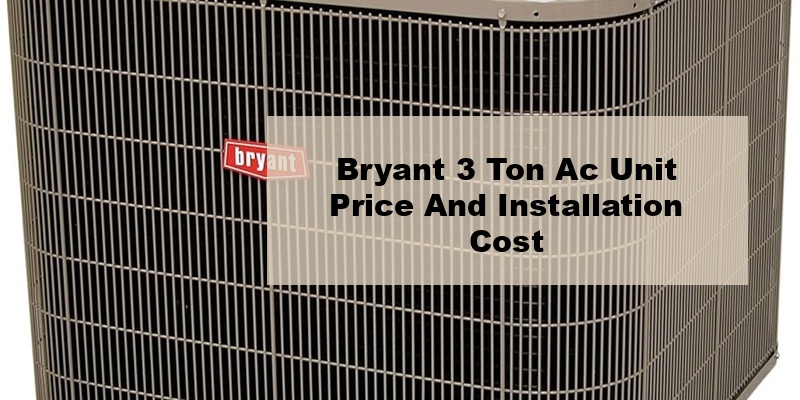
The decision to install a Bryant 3 Ton air conditioner involves balancing upfront costs with long‑term comfort and energy savings. Bryant offers a range of 3 Ton models, from standard mid‑range configurations to high‑efficiency systems designed for lower operating costs. This article outlines typical Bryant 3 Ton unit prices and installation costs, explains how efficiency, model lines, and regional pricing affect the bottom line, and provides practical tips to budget, compare quotes, and potentially reduce overall expenses without compromising performance. Homeowners can use these insights to plan a reliable cooling upgrade that fits their budget and climate.
Content Navigation
Bryant 3 Ton Models And Efficiency
Three tons represents roughly 36,000 BTU per hour, a common size for many single‑family homes in temperate to warm climates. Bryant’s 3 Ton lineup generally spans two main families: the Preferred Series and the Evolution System. The Preferred Series is a solid, mid‑range option with dependable performance and solid efficiency. The Evolution System is Bryant’s premium line, featuring higher SEER ratings and advanced control options for tighter humidity and temperature management. Availability and exact specifications vary by region and contractor installation options.
Efficiency is a key variable in pricing and long‑term savings. Typical Bryant 3 Ton units offer SEER ranges that span from around 14–16 in standard configurations up to 16–21 SEER in higher‑efficiency variants, with the Evolution line leaning toward the upper end. Variable‑speed or two‑stage compressors in some Evolution models improve humidity control and comfort during shoulder seasons, though they also push installation complexity and cost higher.
When considering Bryant 3 Ton units, homeowners should weigh upfront price against expected energy savings, noise levels, warranty terms, and compatibility with existing thermostats and ductwork. Equipment performance is most effective when paired with appropriate air distribution and proper system sizing performed by a licensed HVAC professional.
Pricing Breakdown: Unit Price And Installation
The total cost of a Bryant 3 Ton system includes the outdoor condenser (the unit itself) and installation labor, plus any necessary materials such as line sets, electrical connections, refrigerant, and a thermostat. Prices vary by model line, efficiency, and local labor markets. As a general guideline, buyers can expect a difference of several hundred to several thousand dollars between the mid‑range Preferred Series and the premium Evolution System.
Unit Price Range For Bryant 3 Ton AC Unit: The outdoor condenser for Bryant 3 Ton systems typically falls in these ranges, depending on SEER rating and features.
Call 888-896-7031 for Free Local HVAC Quotes – Compare and Save Today!
- Preferred Series (mid‑range): approximately $1,800–$2,800
- Evolution Series (high efficiency): approximately $2,800–$4,000
Installation Costs: Installation encompasses labor, refrigerant, line sets, electrical work, thermostat integration, and any duct or ventilation adjustments. Regional labor costs and job complexity drive these numbers. Typical installation cost ranges are:
- Simple replacement with minimum ductwork changes: about $2,000–$3,500
- Moderate upgrades (some ductwork adjustments, new thermostat): about $3,000–$4,500
- Complex installs (significant ductwork changes, electrical upgrades, multiple zones): about $4,000–$6,000+
Typical Total Installed Cost: Combining unit price and installation, a Bryant 3 Ton system commonly falls in the following ranges, noting that regional pricing and current promotions can shift these figures:
| Series | Unit Price Range | Installation Range | Total Installed Range |
|---|---|---|---|
| Bryant Preferred Series 3 Ton | $1,800–$2,800 | $2,000–$3,500 | $3,800–$6,300 |
| Bryant Evolution Series 3 Ton | $2,800–$4,000 | $2,500–$4,000 | $5,300–$8,000 |
These ranges reflect typical market conditions in the United States and exclude regional taxes, permits, and significant ductwork adaptations. Homeowners should obtain multiple quotes to confirm current pricing for their home and climate zone.
Factors That Influence Cost
Several variables influence the final price of a Bryant 3 Ton system. Each factor can widen or narrow the budget, so understanding these elements helps homeowners make informed decisions.
- Efficiency and model line. Higher SEER ratings and advanced control options add to the equipment price but reduce operating costs over time.
- Ductwork condition and compatibility. Existing ducts that are leaky or poorly sized may require repair or redesign, increasing labor and material costs.
- System configuration. A single‑stage outdoor unit is typically cheaper to install than a two‑stage or variable‑speed system, which has more precise control and higher upfront costs.
- Electrical service and permits. Upgrades to electrical panels or circuits, as well as local permit costs, affect total price.
- Labor market and accessibility. Pricing varies by region; remote areas or high‑demand periods limit competition and raise costs.
- Duct sealing and air quality add‑ons. Options such as air purifiers, zoning, or enhanced filtration increase both cost and comfort benefits.
Regional Variations And Availability
Regional differences in cost are common due to climate demands, building codes, and labor rates. The U.S. Northeast and West Coast tend to have higher installation labor costs, while the Midwest and Southeast may offer more competitive pricing. Availability of Bryant models can also vary by dealer networks and local supply chains, which affects both price and lead times. Homeowners should request quotes from several authorized Bryant dealers to compare not only price but also installation timelines, warranty terms, and service coverage in their area.
Cost-Saving Tips And Financing Options
Smart budgeting can reduce total expenditure without sacrificing system quality. The following approaches help homeowners maximize value when purchasing a Bryant 3 Ton AC unit.
Call 888-896-7031 for Free Local HVAC Quotes – Compare and Save Today!
- Get multiple quotes. Obtain at least three written estimates from licensed HVAC contractors to compare equipment, labor, and any ductwork needs.
- Ask about promotions and rebates. Manufacturer, distributor, and utility programs often offer seasonal discounts or rebates for high‑efficiency equipment.
- Evaluate a full system upgrade. If the existing ductwork or indoor coil is aged, a bundled upgrade can improve performance and avoid future retrofit costs.
- Consider financing options. Many contractors offer financing or promotional financing with favorable terms to spread out the investment.
- Optimize thermostat and controls. A modern smart thermostat and zoning can lower energy use and shorten payback periods for higher‑efficiency models.
Warranty and service plans vary by model and installer. Typical Bryant outdoor condensers carry a parts warranty that can extend up to 10 years with registration; interior components often come with shorter terms. To maximize protection, homeowners should confirm warranty eligibility during purchase, register the equipment, and schedule regular maintenance with a qualified technician.
What To Expect During Installation
Professional installation is essential to ensure performance, efficiency, and longevity. A typical Bryant 3 Ton installation unfolds through several stages.
- Pre‑install assessment. The technician verifies system size, duct adequacy, refrigerant lines, electrical service, and local code requirements.
- Equipment delivery and site preparation. The outdoor condenser is positioned on a stable pad with adequate clearance for airflow, and indoor components are prepared for connection.
- System hookup and refrigerant charging. Refrigerant lines are sealed, and the system is charged to the correct level while monitoring pressures and temperatures.
- Thermostat and controls configuration. A compatible thermostat is installed, programmed, and tested for accurate cooling cycles.
- Airflow verification and testing. Ductwork is balanced, and the system is tested across cooling modes to confirm consistent performance and noise levels.
- Cleanup and handoff. The technician reviews operation, warranty details, and maintenance recommendations with the homeowner.
Warranty And Energy Savings Considerations
Energy efficiency drives long‑term savings, and the warranty provides peace of mind against unexpected repair costs. Buyers should review the specific warranty terms for the chosen Bryant model, including requirements for professional installation, system registration, and scheduled maintenance. High‑efficiency Bryant 3 Ton models typically deliver noticeable reductions in monthly cooling costs when paired with proper ductwork design and a modern thermostat. Homeowners should treat the installation as an investment in comfort, reliability, and energy resilience across hot southern summers and warmer western climates alike.
Tips for Getting the Best HVAC Prices
- Prioritize Quality Over Cost
The most critical factor in any HVAC project is the quality of the installation. Don’t compromise on contractor expertise just to save money. - Check for Rebates
Always research current rebates and incentives — they can significantly reduce your overall cost. - Compare Multiple Quotes
Request at least three estimates before making your choice. You can click here to get three free quotes from local professionals. These quotes include available rebates and tax credits and automatically exclude unqualified contractors. - Negotiate Smartly
Once you've chosen a contractor, use the proven strategies from our guide — How Homeowners Can Negotiate with HVAC Dealers — to get the best possible final price.