
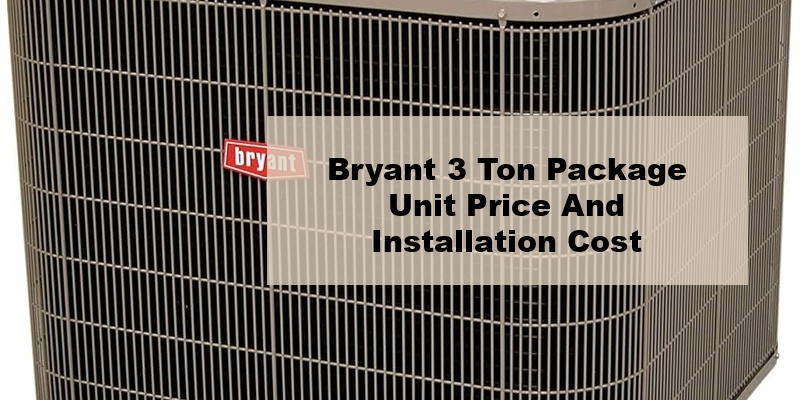
The Bryant 3 Ton Package Unit combines heating and cooling in a single outdoor cabinet, making it a popular option for homes that want a compact, all-in-one solution. This article outlines the typical costs associated with buying a Bryant 3 ton package unit and installing it in the United States. It covers unit price ranges, installation charges, and factors that influence total costs, along with tips to save, warranty expectations, and rebates to look for. Prices vary by efficiency, model line, and local labor rates, so obtaining multiple detailed quotes is essential.
Content Navigation
- What Is A Bryant 3 Ton Package Unit
- Price Range For The Unit Itself
- Installation Cost For Bryant 3 Ton Package Unit
- Total Cost Scenarios For A Typical Home
- Efficiency, Rebates, And Warranties
- Maintenance And Longevity
- Factors That Influence Cost
- Choosing A Contractor And Getting Quotes
- What To Ask Before Installation
- Conclusion And Next Steps
What Is A Bryant 3 Ton Package Unit
A Bryant 3 ton package unit is a single, self-contained heating and cooling system designed for homes that use a ducted distribution network. A 3 ton capacity translates to roughly 36,000 BTUs of cooling per hour, which suits many mid-sized homes. Package units can be electric heat-only, electric cooling with heat strips, or gas-heated variants, depending on the model. Unlike a split system that has an indoor air handler and outdoor condenser, a package unit sits outside and only requires duct connections inside. This design can simplify installation and reduce some indoor space concerns.
Price Range For The Unit Itself
Unit prices depend primarily on efficiency (SEER), heating option, and the specific Bryant line (for example, Preferred Series versus Evolution). Here are typical ranges you may see for a 3 ton Bryant package unit, excluding installation:
- Bryant 14–SEER, Electric Heat: approximately $2,800 to $3,900
- Bryant 16–SEER, Electric Heat: approximately $3,300 to $4,400
- Bryant 18–SEER, Electric Heat: approximately $3,900 to $5,000
- Gas-Heat Package Units (where available): approximately $3,200 to $4,900
Note: Prices can vary by retailer, configuration, and regional market conditions. Higher efficiency models often command a premium, but they can reduce operating costs over time, especially in hot climates.
| Package Type / SEER | Estimated Unit Price (USD) |
|---|---|
| 14 SEER Electric Heat | $2,800 – $3,900 |
| 16 SEER Electric Heat | $3,300 – $4,400 |
| 18 SEER Electric Heat | $3,900 – $5,000 |
| Gas-Heat Package Unit | $3,200 – $4,900 |
Installation Cost For Bryant 3 Ton Package Unit
Installation costs include labor, any electrical work, duct connections, venting adjustments, permits, and disposal of the old equipment. The total installed price is highly sensitive to the starting point of the project and the condition of the existing ductwork and electrical system. Typical installation charges fall into a broad range depending on project complexity.
- Simple replacement with existing ductwork and no major electrical or duct modifications: roughly $2,000 to $4,000
- Moderate installation with some ductwork or electrical upgrades: roughly $4,000 to $6,500
- Complex installation with extensive ductwork changes, new vents, or retrofits: roughly $6,500 to $9,500 or more
Costs above assume a standard 3 ton unit in a single-family home in typical U.S. markets. Regional labor rates, permit fees, and local codes can push these numbers higher or lower. Always request a written, itemized estimate that separates equipment, labor, permits, and disposal fees.
Call 888-896-7031 for Free Local HVAC Quotes – Compare and Save Today!
Total Cost Scenarios For A Typical Home
To provide a practical sense of what homeowners might expect, consider these scenarios. They combine the unit price with installation estimates and common ancillary costs.
- Basic Replacement: unit price ($2,800–$4,000) plus installation ($2,000–$3,500) totals about $4,800–$7,500.
- Moderate Upgrade With Duct Adjustments: unit price ($3,500–$4,800) plus installation ($3,000–$5,000) totals about $6,500–$9,800.
- Complex Retrofit Or New Duct System: unit price ($3,900–$5,000) plus installation ($5,000–$9,500) totals about $8,900–$14,500.
These ranges reflect common market conditions but can vary by region. Homes in very hot climates or those requiring extensive ductwork or electrical upgrades will typically be toward the higher end of the spectrum.
Efficiency, Rebates, And Warranties
Choosing a higher-efficiency Bryant package unit can yield long-term energy savings, particularly in areas with high cooling demand. Homes in the Southeast or Southwest may see meaningful savings with 16–18 SEER units compared with older 13–14 SEER equipment. Savings depend on usage, local electricity rates, and how well the home is insulated and sealed.
Warranty terms commonly help protect the investment. Bryant package units often include a 10-year limited parts warranty when registered, with labor warranties typically handled by the installing contractor and varying by program. It is important to confirm the exact warranty terms before purchase and ensure proper registration and installation to keep coverage intact.
Rebates and incentives may reduce net cost. Local utilities frequently offer rebates for high-efficiency equipment, and federal incentives may apply under current energy-efficiency programs. Availability and amounts change over time, so verify current programs with the contractor, utility provider, and IRS guidance or a tax professional.
Maintenance And Longevity
Regular maintenance is key to reliability and efficiency. Providers generally recommend an annual professional inspection, plus routine homeowner tasks like filter replacement every 1–3 months depending on usage and filter type. Clean outdoor coils, clear debris near the outdoor cabinet, and ensure proper thermostat operation.
Call 888-896-7031 for Free Local HVAC Quotes – Compare and Save Today!
With proper care, Bryant package units can deliver reliable performance for about 12 to 15 years or longer in climates with moderate demands. The life expectancy can vary with usage patterns, installation quality, and refrigerant handling. Addressing small issues promptly can prevent larger, costlier repairs later on.
Factors That Influence Cost
Several variables can affect both unit price and installation cost. Understanding these helps homeowners plan realistically and avoid surprise charges at the job site.
- Efficiency and features: Higher SEER and advanced controls cost more up front but reduce energy bills.
- Heat option: Electric heat with the package is typically cheaper upfront than gas heat, but operating costs depend on local energy prices.
- Ductwork condition: Existing ducts in good shape reduce labor and materials; leaky or undersized ducts increase costs.
- Electrical service: If the existing service panel needs upgrading to support a new system, expect additional costs.
- Permits and inspections: Some jurisdictions require permits, adding time and expense.
- Installation complexity: Roof clearance, tight spaces, or vibration isolation requirements can affect labor time.
Before deciding, homeowners should request a detailed work scope that outlines how duct modifications, wiring, refrigerant charging, and controls are addressed. This transparency helps compare quotes accurately.
Choosing A Contractor And Getting Quotes
Selecting a qualified contractor is as important as choosing the unit itself. A thoughtful approach includes several steps to ensure quality installation and fair pricing.
- Verify licenses, insurance, and current certifications for technicians and the company.
- Ask for multiple written estimates with itemized costs and a clear scope of work.
- Request a Manual J load calculation to confirm the 3 ton sizing is appropriate for your home.
- Check references and read reviews focusing on installation quality and service after the sale.
- Confirm warranty terms, including what is covered and what requires registration or labor coverage.
- Discuss a planned maintenance schedule and after-install support, including annual checkups.
Clear communication is essential. A reputable installer should explain how the unit will be sized, how ductwork will be configured, and how refrigerant and electrical connections will be managed. They should also provide a realistic timeline for installation and any temporary cooling interruptions.
What To Ask Before Installation
To avoid surprises, homeowners should ask specific questions before committing to a Bryant 3 ton package unit installation.
- What is the total installed cost, including all materials, labor, permits, and disposal?
- What SEER rating is recommended for my home, and how does it impact operating costs?
- Will the thermostat and controls be compatible with existing smart home devices?
- Is a permanent outdoor pad, mounting base, or vibration isolation required?
- What maintenance plan do you offer, and is labor covered under warranty?
Answering these questions helps ensure value and long-term satisfaction with the Bryant package unit and the installation work.
Conclusion And Next Steps
While this article does not include a formal conclusion, the key takeaway is that a Bryant 3 ton package unit represents a balance between upfront cost and long-term energy savings, with total installed prices largely driven by efficiency, ductwork, and local labor rates. Homeowners should gather several quotes, verify warranties, explore rebates, and plan for a professional load calculation to ensure sizing accuracy. With careful planning, a Bryant 3 ton package unit can deliver efficient comfort for many years.
Tips for Getting the Best HVAC Prices
- Prioritize Quality Over Cost
The most critical factor in any HVAC project is the quality of the installation. Don’t compromise on contractor expertise just to save money. - Check for Rebates
Always research current rebates and incentives — they can significantly reduce your overall cost. - Compare Multiple Quotes
Request at least three estimates before making your choice. You can click here to get three free quotes from local professionals. These quotes include available rebates and tax credits and automatically exclude unqualified contractors. - Negotiate Smartly
Once you've chosen a contractor, use the proven strategies from our guide — How Homeowners Can Negotiate with HVAC Dealers — to get the best possible final price.