

Yes, a dirty air conditioner filter can definitely cause your AC unit to leak water. When air filters become clogged with dust and debris, they restrict proper airflow through the system, which can lead to the evaporator coil freezing. Once this ice melts, it often produces more water than the condensate drain system can handle, resulting in leakage. Additionally, the reduced airflow can cause excessive condensation to form in places it shouldn’t, contributing to water damage and potential system failures. Regular filter maintenance is one of the simplest yet most effective ways to prevent AC water leaks and ensure efficient system operation.
Air conditioning systems naturally produce condensation as part of their cooling process. As warm air passes over the cold evaporator coil, moisture in the air condenses into water droplets. This condensation is a normal byproduct of the cooling process, not a malfunction.
In a properly functioning system, this condensate drips into a collection pan beneath the evaporator coil and then flows through a drain line to the outside of your home. The entire process happens automatically and continuously while your AC operates, typically disposing of several gallons of water daily during humid conditions.
The air filter plays a crucial role in this system by preventing dust and debris from entering the evaporator coil and other sensitive components. When functioning correctly, the filter allows sufficient airflow while capturing airborne particles.
Content Navigation
The Connection Between Dirty Filters and Water Leakage
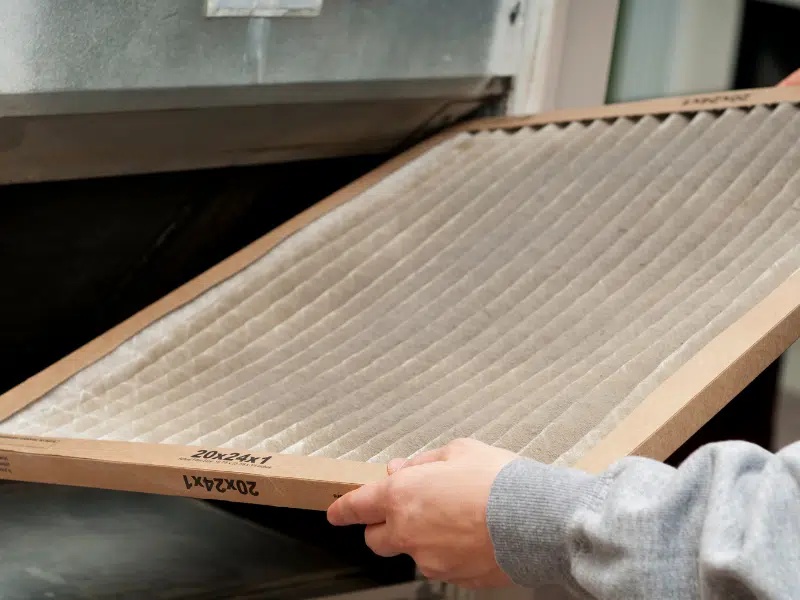
When an air filter becomes clogged with dust, pet hair, and other debris, it significantly restricts the airflow through your AC system. This airflow restriction creates a chain reaction that often leads to water leakage. Here’s how the process typically unfolds:
- Reduced airflow prevents adequate warm air from reaching the evaporator coil
- The coil becomes abnormally cold and eventually freezes over
- When the system cycles off or goes into defrost mode, the ice melts rapidly
- This sudden release of water overwhelms the drain pan capacity
- Excess water overflows the pan and leaks into your home
Additionally, the reduced airflow can cause condensation to form in unusual places throughout the system rather than just on the evaporator coil. This “misplaced” condensation often lacks a proper drainage path, resulting in leaks through ceiling vents, around the air handler, or at the base of the unit.
Call 888-896-7031 for Free Local HVAC Quotes – Compare and Save Today!
Signs Your AC is Leaking Due to a Dirty Filter
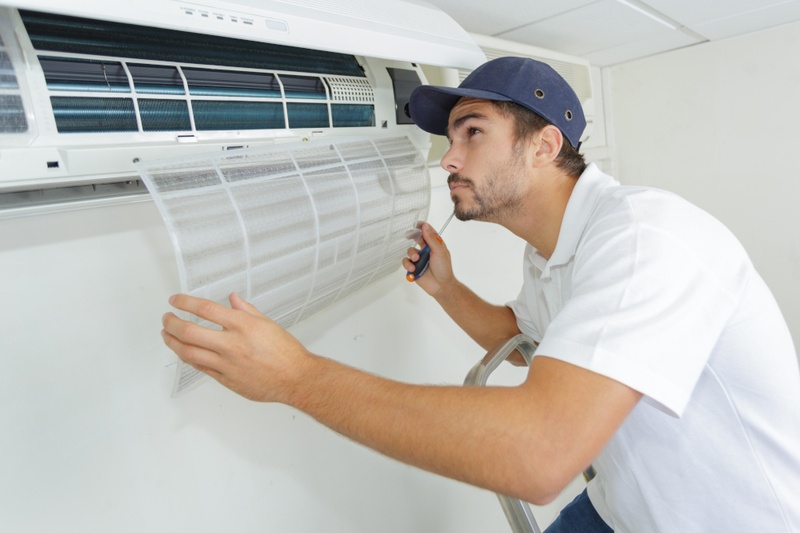
Several telltale symptoms can help you identify if your AC is leaking due to a dirty filter. Early detection of these warning signs can prevent costly water damage and system repairs. Watch for:
- Water pooling around the indoor unit or dripping from ceiling vents
- Reduced cooling performance despite the system running constantly
- Unusual sounds like dripping or gurgling from the AC system
- Musty or moldy odors from vents when the system runs
- Higher than normal humidity levels in your home
- Visible ice formation on refrigerant lines or the evaporator coil
If you notice any of these symptoms, immediately check your air filter. A visibly dirty, gray, or clogged filter strongly suggests this is the source of your water leak problem.
How to Check and Change Your AC Filter
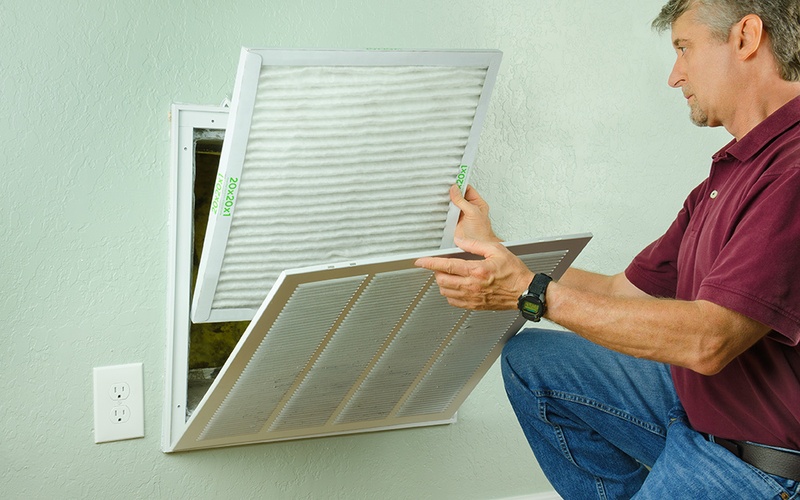
Regularly checking and changing your AC filter is a simple maintenance task that can prevent water leakage and other problems. Most residential systems should have their filters checked monthly and changed every 1-3 months, depending on usage and environmental factors.
Step-by-Step Filter Replacement Process
- Turn off your AC system at the thermostat
- Locate the filter (typically in the return air duct or the air handler)
- Remove the existing filter carefully to avoid shaking dust loose
- Note the size and type printed on the frame
- Insert the new filter following the directional arrows on the frame
- Secure the access panel or grill properly
- Turn your system back on
Common AC Filter Types and Costs
| Filter Type | MERV Rating | Average Cost | Lifespan | Best For |
|---|---|---|---|---|
| Fiberglass (disposable) | 1-4 | $1-5 | 30 days | Basic filtration, budget-conscious |
| Pleated (disposable) | 5-8 | $5-20 | 90 days | Better dust capture, standard homes |
| High-efficiency Pleated | 9-12 | $20-45 | 90 days | Allergy sufferers, homes with pets |
| Washable/Reusable | 1-4 | $15-40 | 5+ years | Environmentally conscious homeowners |
Choose a filter with an appropriate MERV rating for your system – higher isn’t always better, as some systems aren’t designed to handle the airflow restriction of high-MERV filters, which could actually worsen the leaking problem.
Other Common Causes of AC Water Leaks
While dirty filters are a frequent culprit, several other issues can cause AC water leakage. Understanding these can help you properly diagnose your system’s problem:
Drain Line Problems
Clogged condensate drain lines account for approximately 80% of all AC water leaks not related to filters. The drain line can become blocked with algae, mold, or debris, preventing water from exiting properly. Regular cleaning with vinegar or specialized AC drain cleaners can prevent these clogs.
Call 888-896-7031 for Free Local HVAC Quotes – Compare and Save Today!
Drain Pan Issues
Older units may develop rusted or cracked drain pans that can no longer properly contain condensate. In these cases, replacement of the pan is typically necessary. Some systems have secondary drain pans with float switches that should shut off the system if water levels get too high.
Installation and Maintenance Problems
- Improper unit installation causing drain line misalignment
- Inadequate insulation around refrigerant lines
- Incorrect condensate pump operation
- Low refrigerant levels causing abnormal freezing cycles
Professional Repair Costs for AC Water Leaks
If DIY maintenance doesn’t resolve your AC water leak, professional repair may be necessary. Costs vary significantly depending on the underlying cause of the leak and your geographic location.
| Repair Type | Average Cost Range | Typical Time to Complete |
|---|---|---|
| Drain Line Clearing | $75-$250 | 1-2 hours |
| Drain Pan Replacement | $250-$575 | 2-4 hours |
| Condensate Pump Replacement | $120-$450 | 1-3 hours |
| Evaporator Coil Cleaning | $100-$400 | 2-4 hours |
| Complete System Evaluation | $75-$200 | 1 hour |
| Refrigerant Recharge | $200-$600 | 1-2 hours |
When to Call a Professional
While changing filters and performing basic maintenance can be handled by most homeowners, certain situations warrant professional attention. Contact an HVAC technician immediately if you notice any of these warning signs:
- Water damage to ceilings, walls, or floors near your AC unit
- Electrical components exposed to moisture
- Persistent leaking despite filter replacement
- Strange noises, burning smells, or smoke from the unit
- Complete system shutdown or circuit breaker trips
Professional technicians have specialized tools to diagnose complex issues, including infrared cameras to detect hidden moisture, pressure gauges to test refrigerant levels, and scope cameras to inspect the interior of drain lines.
Preventative Maintenance to Avoid AC Leaks
Regular maintenance is the most cost-effective strategy to prevent AC water leaks and extend your system’s lifespan. A comprehensive maintenance routine should include:
- Monthly filter checks and regular replacements
- Quarterly drain line cleaning with vinegar or commercial cleaners
- Annual professional maintenance service
- Keeping outdoor unit clear of debris and vegetation
- Monitoring system performance for early warning signs
- Installing a condensate float switch or water alarm as backup protection
Some newer AC systems feature self-cleaning drain lines or advanced monitoring that can alert you to potential issues before they cause leakage. These technologies can significantly reduce maintenance requirements and provide added peace of mind.
Tips for Getting the Best HVAC Prices
- Prioritize Quality Over Cost
The most critical factor in any HVAC project is the quality of the installation. Don’t compromise on contractor expertise just to save money. - Check for Rebates
Always research current rebates and incentives — they can significantly reduce your overall cost. - Compare Multiple Quotes
Request at least three estimates before making your choice. You can click here to get three free quotes from local professionals. These quotes include available rebates and tax credits and automatically exclude unqualified contractors. - Negotiate Smartly
Once you've chosen a contractor, use the proven strategies from our guide — How Homeowners Can Negotiate with HVAC Dealers — to get the best possible final price.