
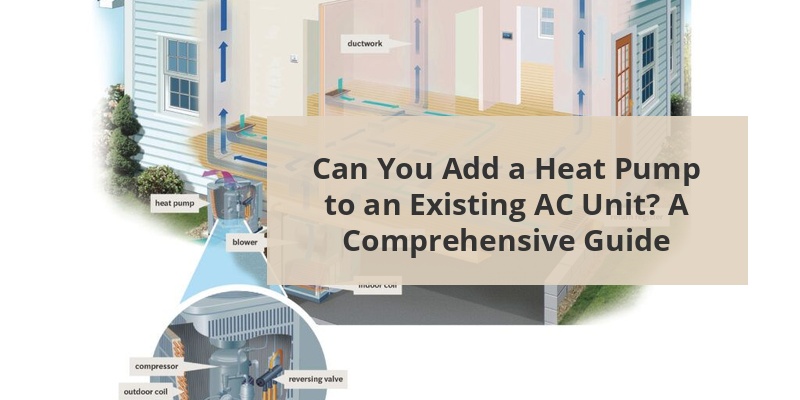
Many American homeowners wonder if it’s possible to add a heat pump to an existing AC unit for better year-round comfort and energy savings. With rising energy costs and an increasing focus on eco-friendly solutions, understanding how heat pumps integrate with current systems is crucial. This guide explores compatibility, installation steps, costs, pros and cons, and the factors to consider before making this upgrade.
Content Navigation
- Key Considerations For Adding A Heat Pump To An Existing AC System
- How Central Air Conditioning And Heat Pumps Work Together
- Assessing Compatibility With Your Existing AC Unit
- Heat Pump Retrofit Options: Add-On Vs. Replacement
- Installation Steps And What To Expect
- Costs Of Adding A Heat Pump To An Existing AC Unit
- Benefits Of Integrating A Heat Pump With Your Current AC
- Challenges And Limitations To Consider
- Heat Pump Alternatives: Dual Fuel And Ductless Solutions
- Potential Energy Savings And Return On Investment
- What To Ask Your HVAC Contractor Before Upgrading
- Recognizing When A Heat Pump Retrofit Makes Sense
- Utility Rebate And Government Incentive Programs
- Maintenance And Service Considerations
- Frequently Asked Questions About Heat Pump Retrofits
- Summary Table: Key Steps And Considerations For Adding A Heat Pump To An Existing AC Unit
Key Considerations For Adding A Heat Pump To An Existing AC System
| Aspect | Details |
|---|---|
| Compatibility | Depends on existing system’s age, type, and configuration |
| Installation Complexity | Moderate; may require significant modifications |
| Benefits | Heating and cooling in one system, improved energy efficiency |
| Potential Costs | $5,000–$15,000 depending on system and labor |
| Professional Required? | Yes, certified HVAC contractor |
| Ideal For | Homeowners seeking eco-friendly, all-season comfort |
How Central Air Conditioning And Heat Pumps Work Together
Most U.S. homes rely on either central air conditioning units or furnaces for temperature control. Heat pumps are unique because they offer both heating and cooling by transferring heat between the inside and outside of your home. Modern heat pump systems use electricity to move heat rather than generate it, making them energy-efficient alternatives to traditional furnaces or baseboard heaters.
Many central air conditioning systems and heat pumps use similar components such as air handlers and ductwork. If your existing AC is relatively new and in good condition, upgrading to a heat pump might only require replacing the outdoor condenser and some electrical modifications.
Assessing Compatibility With Your Existing AC Unit
Before you can add a heat pump, it’s essential to assess the type and age of your current AC system. Compatibility depends on:
- System Type: Split systems with separate outdoor and indoor units are more adaptable than packaged units.
- Ductwork Condition: Properly sized and sealed ductwork is essential for heat pump efficiency.
- Age and Refrigerant Type: Newer systems using R-410A refrigerant are more easily upgraded than older R-22 systems, which may require full replacement.
Consulting with a certified HVAC professional helps determine if your existing infrastructure supports the conversion and if other upgrades are advised for optimal performance.
Heat Pump Retrofit Options: Add-On Vs. Replacement
There are two primary methods when upgrading to a heat pump with an existing AC system: the add-on approach and full replacement.
Call 888-896-7031 for Free Local HVAC Quotes – Compare and Save Today!
Add-On Heat Pump
An add-on system replaces just the outdoor (condenser) unit and uses the existing indoor air handler and ductwork. This approach is feasible if:
- The existing indoor unit is compatible with heat pump operation.
- The refrigerant lines can accommodate the new refrigerant and pressure requirements.
- The system controls (thermostat, wiring) can seamlessly switch between heating and cooling modes.
This method is cost-effective for newer systems but may not be suitable for older units or incompatible ductwork layouts.
Heat Pump Replacement
A full replacement involves removing both the outdoor and indoor units and installing a new heat pump and air handler. Although the initial investment is higher, new systems offer enhanced efficiency, reliability, and advanced features such as smart thermostats and zoning.
Installation Steps And What To Expect
Whether you’re adding or replacing components, professional installation is essential. The process includes:
- System Evaluation: HVAC technician inspects existing AC components, checks ductwork integrity, and verifies electrical requirements.
- Equipment Selection: Contractor recommends heat pump units compatible with your setup and climate zone.
- Installation: The outdoor condenser is installed, refrigerant lines are adjusted, and the air handler or coil is upgraded if needed.
- Wiring And Thermostat: System controls updated for dual heating/cooling operation, compatible thermostat installed.
- Testing: Complete system functionality test for both heating and cooling to ensure optimal performance.
Installation usually takes 1–3 days, depending on system complexity and home layout.
Costs Of Adding A Heat Pump To An Existing AC Unit
The price for retrofitting with a heat pump varies widely based on:
Call 888-896-7031 for Free Local HVAC Quotes – Compare and Save Today!
- Current AC system’s age and configuration
- Extent of ductwork or electrical upgrades needed
- Type, efficiency, and brand of the new heat pump
- Labor costs in your local area
Average homeowners pay between $5,000 and $10,000 for a straightforward add-on heat pump retrofit. Full replacements with high-efficiency units and major upgrades may cost up to $15,000 or more.
Benefits Of Integrating A Heat Pump With Your Current AC
Adding a heat pump to an existing AC system offers multiple advantages:
- Year-Round Comfort: Enjoy efficient heating in winter and reliable cooling in summer, all in one system.
- Energy Savings: Heat pumps are up to three times more energy efficient than traditional electric resistance heating.
- Lower Carbon Footprint: Reduced reliance on fossil fuels supports sustainable living.
- Potential Incentives: Federal, state, and utility rebates or tax credits may offset the upfront installation cost.
- Improved Home Value: Modern, eco-friendly HVAC systems can enhance property value.
Upgrading to a heat pump is particularly beneficial in regions with moderate winters, where heating demands aren’t extreme.
Challenges And Limitations To Consider
Adding a heat pump to your current AC unit is not always straightforward:
- Climate Limitations: Standard heat pumps become less efficient in sub-freezing temperatures; cold-climate models or backup heat sources may be required.
- Ductwork Issues: Leaky or poorly insulated ducts lead to energy loss and reduced comfort.
- System Compatibility: Older or incompatible air handlers may need upgrades or replacement.
- Initial Cost: Upfront investment can be significant, though operational savings offset costs over time.
- Electrical Upgrades: Some homes may require panel upgrades to support heat pump power draw.
A detailed assessment by a qualified HVAC contractor will uncover these limitations and guide you to the right solution.
Heat Pump Alternatives: Dual Fuel And Ductless Solutions
Not every home is suited for a direct heat pump retrofit, especially if your AC is older or you live in a very cold climate. Two practical alternatives include:
Dual Fuel (Hybrid) Systems
Pairing a heat pump with a gas furnace creates a “dual fuel” system. The heat pump handles cooling and mild-weather heating; the furnace takes over in freezing conditions, delivering optimal efficiency and comfort.
Ductless Mini-Split Heat Pumps
If your home lacks ductwork or has rooms without proper cooling or heating, ductless mini-split heat pumps are a flexible, high-efficiency option.
- No major duct modifications required
- Can target specific zones for individual comfort
- Ideal for additions, remodeled spaces, or supplemental conditioning
Ductless solutions offer impressive energy savings and easy installation for homes with unique layouts.
Potential Energy Savings And Return On Investment
Switching to a heat pump has significant economic benefits. According to the U.S. Department of Energy, modern heat pumps can reduce electricity use for heating by approximately 50% compared to electric resistance heating such as furnaces and baseboard heaters.
Annual energy savings vary with:
- Climate zone
- Home insulation
- System efficiency rating (SEER for cooling, HSPF for heating)
- Fuel and electricity prices
Most homeowners see a return on investment within 5–10 years through lower operating costs and available rebates.
What To Ask Your HVAC Contractor Before Upgrading
To ensure a successful installation, ask potential contractors the following questions:
- Is my current AC system compatible with a heat pump retrofit?
- Will my current air handler and ductwork support heat pump operation?
- What capacity and efficiency rating is right for my home?
- Are there additional wiring or power upgrades required?
- What are the available warranty options and maintenance requirements?
- Am I eligible for rebates or tax credits for installation?
Choosing a reputable, NATE-certified HVAC contractor ensures safe and efficient installation customized to your needs.
Recognizing When A Heat Pump Retrofit Makes Sense
A heat pump retrofit is a smart move if:
- Your AC unit is under 10 years old and in good condition
- Your home has high energy consumption for heating
- Your region experiences mild to moderate winters
- You’re looking to lower your carbon footprint and utility bills
If your AC is older, uses obsolete refrigerants, or your ductwork is damaged, a full system replacement may offer better long-term value and reliability.
Utility Rebate And Government Incentive Programs
Many U.S. homeowners can lower their upfront costs by leveraging government and utility heat pump incentives:
- Federal Tax Credits: The Inflation Reduction Act offers up to $2,000 in tax credits for qualifying heat pump installations
- State And Local Incentives: Most states offer rebates or low-interest loans for high-efficiency HVAC upgrades
- Utility Cash Rebates: Many electric companies provide direct rebates for ENERGY STAR heat pumps
Check the Database of State Incentives for Renewables & Efficiency (DSIRE) and consult your local utility provider before making a decision.
Maintenance And Service Considerations
Once your heat pump is added, regular maintenance is critical to ensure peak performance:
- Replace or clean air filters monthly
- Schedule professional tune-ups yearly
- Inspect and seal ducts to prevent leaks
- Clear debris from the outdoor condenser
Routine servicing not only extends the life of your system, but also maintains energy efficiency and comfort throughout the seasons.
Tips for Getting the Best HVAC Prices
- Prioritize Quality Over Cost
The most critical factor in any HVAC project is the quality of the installation. Don’t compromise on contractor expertise just to save money. - Check for Rebates
Always research current rebates and incentives — they can significantly reduce your overall cost. - Compare Multiple Quotes
Request at least three estimates before making your choice. You can click here to get three free quotes from local professionals. These quotes include available rebates and tax credits and automatically exclude unqualified contractors. - Negotiate Smartly
Once you've chosen a contractor, use the proven strategies from our guide — How Homeowners Can Negotiate with HVAC Dealers — to get the best possible final price.
Frequently Asked Questions About Heat Pump Retrofits
-
Can I Keep My Existing Thermostat?
Most modern programmable and smart thermostats work with heat pumps, but your technician may recommend an upgrade for dual-mode control. -
Will Adding A Heat Pump Make My Home Noisier?
High-quality, properly installed heat pumps typically operate as quietly or more quietly than traditional AC units. -
How Long Does The Installation Take?
Retrofit installations are usually completed in 1–3 days, depending on complexity. -
Can I Use My Old Furnace With The Heat Pump?
Yes, this configuration is known as a “dual fuel” or hybrid system, where the furnace acts as a backup heat source. -
What Is The Life Expectancy Of A Heat Pump?
Modern systems last 10–15 years with proper maintenance.
Summary Table: Key Steps And Considerations For Adding A Heat Pump To An Existing AC Unit
| Step | Details |
|---|---|
| Initial System Assessment | Inspect AC type, refrigerant, ductwork, and electrical system |
| Professional Consultation | Consult HVAC expert for recommendations and compatibility |
| Cost-Benefit Analysis | Compare upfront costs to energy savings and incentives |
| Installation | Schedule retrofit or replacement with certified installers |
| System Testing | Verify both heating and cooling performance |
| Rebates & Incentives | Research and apply for available financial incentives |
| Ongoing Maintenance | Regular filter changes and yearly professional check-ups |