
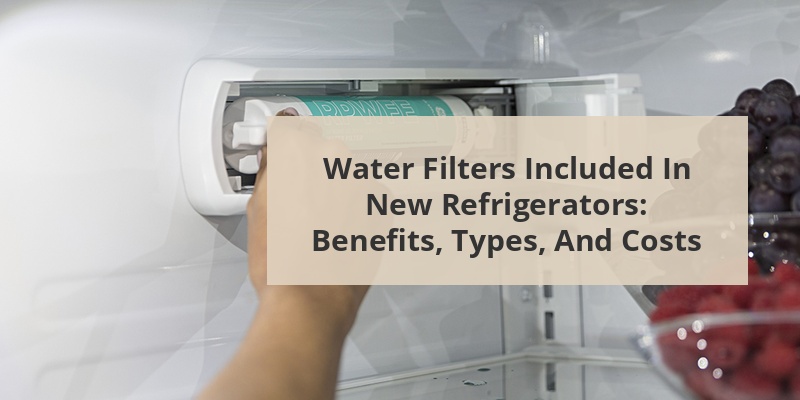
When shopping for a new refrigerator, many consumers wonder if water filters come standard with their purchase. Most modern refrigerators that feature water dispensers or ice makers do indeed come with built-in water filters. However, not all refrigerator models include this feature. The inclusion of a water filter typically depends on the refrigerator’s price point, design, and intended functionality. Premium and mid-range models are more likely to include water filtration systems, while budget models may skip this feature to reduce costs.
Different refrigerator styles vary in their likelihood of including water filters. Side-by-side and French door refrigerators most commonly come equipped with water filters, as these models frequently include water and ice dispensers. These filters are typically located in easily accessible areas like the upper interior compartment or the base grille.
- Side-by-side refrigerators (almost always include filters)
- French door refrigerators (commonly include filters)
- Bottom freezer models with dispensers (usually include filters)
- Top freezer models (less likely to include filters)
- Counter-depth models (filter inclusion varies by price)
Many smart refrigerators not only include water filters but also feature electronic indicators that monitor filter condition and notify users when replacement is necessary. Basic refrigerator models without water or ice dispensing capabilities typically don’t include water filters as they’re unnecessary for the unit’s functionality.
Content Navigation
Benefits of Built-in Refrigerator Water Filters

Refrigerators with built-in water filters offer several advantages over unfiltered models. These filters work to remove contaminants like chlorine, lead, mercury, and certain pesticides, improving both the taste and quality of your drinking water and ice. Many consumers find that filtered water encourages increased water consumption due to improved taste.
The integration of filters within the refrigerator design provides space efficiency compared to countertop filtration systems. Additionally, the convenience of having filtered water directly from your refrigerator eliminates the need for separate filtration pitchers or devices, creating a streamlined kitchen setup.
Contaminants Removed by Standard Refrigerator Filters
| Contaminant Type | Examples | Typical Removal Rate |
|---|---|---|
| Heavy Metals | Lead, Mercury, Cadmium | 95-99% |
| Chemicals | Chlorine, Pesticides, Pharmaceuticals | 90-97% |
| Particulates | Sediment, Rust | 99%+ |
| Microorganisms | Some Bacteria, Parasites | Variable (depends on filter type) |
Common Refrigerator Water Filter Types

New refrigerators typically use one of several filtration technologies. Carbon filtration is the most common type found in refrigerator systems, using activated carbon to attract and trap contaminants. These filters are effective at improving taste and odor by removing chlorine and other chemicals.
Call 888-896-7031 for Free Local HVAC Quotes – Compare and Save Today!
Some premium refrigerators feature multi-stage filtration systems that combine carbon filtration with mechanical filtration to remove a wider range of contaminants. These advanced systems can filter out smaller particles and additional chemicals, providing higher-quality water.
Filter Certification Standards
Quality refrigerator filters are typically certified by independent organizations. The NSF International and the Water Quality Association (WQA) provide the most recognized certifications for water filters. Filters with NSF/ANSI 42 certification address aesthetic water qualities like taste and odor, while NSF/ANSI 53 certification indicates the filter can reduce contaminants with health effects.
- NSF/ANSI 42: Improves taste, odor, and clarity
- NSF/ANSI 53: Reduces health-related contaminants
- NSF/ANSI 401: Reduces emerging contaminants like pharmaceuticals
- NSF P231: Addresses microbiological water purifiers
Water Filter Replacement and Maintenance
While new refrigerators include the initial water filter, these filters require regular replacement. Most manufacturers recommend replacing refrigerator water filters every six months or after filtering approximately 200-300 gallons of water, depending on water quality and usage patterns.
Many modern refrigerators feature indicator lights or digital displays that track filter usage and alert users when replacement is necessary. These systems may measure time, water volume, or both to determine when the filter has reached its capacity.
Replacement Process
The filter replacement process varies by manufacturer and model but is typically designed to be straightforward. Most involve either twisting the filter to unlock it or pressing a release button. Replacement filters usually snap or twist into place with minimal effort. Manufacturers design these systems to be user-friendly, though the specific location and mechanism vary across brands and models.
Cost Considerations for Refrigerator Water Filters
While the initial filter comes with a new refrigerator, ongoing replacement costs should be factored into your purchase decision. Original manufacturer filters typically cost between $30-$70 each, representing a maintenance expense over the refrigerator’s lifetime.
Call 888-896-7031 for Free Local HVAC Quotes – Compare and Save Today!
| Brand | Average Filter Cost | Replacement Frequency | Annual Cost |
|---|---|---|---|
| Samsung | $40-50 | Every 6 months | $80-100 |
| LG | $45-60 | Every 6 months | $90-120 |
| Whirlpool | $35-55 | Every 6 months | $70-110 |
| GE | $50-70 | Every 6 months | $100-140 |
| Frigidaire | $30-45 | Every 6 months | $60-90 |
Third-party compatible filters are available at lower prices (typically $15-$35), but their quality and effectiveness may vary. Some manufacturers design their systems to work exclusively with their branded filters, potentially incorporating electronic verification systems that detect non-original filters.
Alternatives to Built-in Refrigerator Water Filters

If you’re considering a refrigerator model without a built-in filter, or if you desire more comprehensive filtration, several alternatives exist. Countertop water filters and pitchers provide budget-friendly options with similar filtration capabilities, though they require separate storage space and manual refilling.
Under-sink filtration systems offer more powerful filtration but require professional installation and may need a dedicated faucet. These systems typically filter water before it reaches any faucet or appliance connected to that line, potentially including the refrigerator.
- Pitcher filters: Affordable, portable, no installation needed
- Countertop systems: Moderate cost, easy installation, limited counter space
- Under-sink systems: Higher cost, hidden installation, superior filtration
- Whole-house filtration: Highest cost, filters all water entering home
Factors to Consider When Buying a Refrigerator with a Water Filter
When evaluating new refrigerators with water filters, several factors deserve attention. Filter certification is paramount – look for NSF/ANSI certified filters that specifically state which contaminants they remove. This information should be clearly listed in the refrigerator specifications.
Consider the filter’s accessibility and ease of replacement. Some models place filters in convenient locations like the interior upper compartment, while others position them in less accessible areas like the base grille. The replacement process should be straightforward, preferably without requiring tools.
Filter Lifespan and Indicators
Evaluate how the refrigerator tracks filter life. Advanced models feature electronic monitoring systems that measure water volume or time to accurately determine when replacement is needed. Basic indicator lights that work on a timer may be less accurate but still serve as helpful reminders.
Research the availability and cost of replacement filters before purchasing. Some brands use proprietary filter designs that limit your replacement options to expensive manufacturer-specific filters. Other brands use more standardized designs with multiple replacement options at varying price points.
Tips for Getting the Best HVAC Prices
- Prioritize Quality Over Cost
The most critical factor in any HVAC project is the quality of the installation. Don’t compromise on contractor expertise just to save money. - Check for Rebates
Always research current rebates and incentives — they can significantly reduce your overall cost. - Compare Multiple Quotes
Request at least three estimates before making your choice. You can click here to get three free quotes from local professionals. These quotes include available rebates and tax credits and automatically exclude unqualified contractors. - Negotiate Smartly
Once you've chosen a contractor, use the proven strategies from our guide — How Homeowners Can Negotiate with HVAC Dealers — to get the best possible final price.