

Water bongs, also known as water pipes, are popular smoking devices that use water as a filtration medium. Many users choose bongs believing they provide a “cleaner” smoking experience by filtering out harmful compounds like tar. But the question remains: do water bongs actually filter out tar from smoke, or is this perceived benefit merely a misconception? Understanding the filtration capabilities of water bongs is important for users making informed decisions about their smoking methods and potential health impacts.
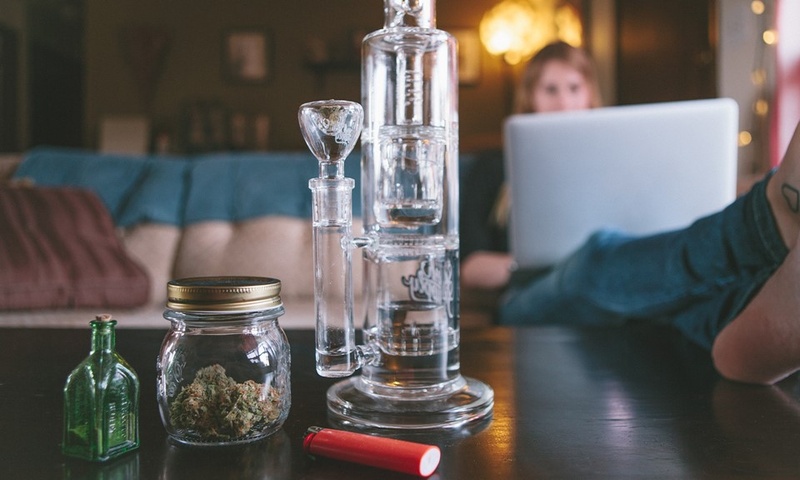
Water bongs function through a relatively simple mechanism. When a user inhales from the mouthpiece, smoke is pulled from the bowl (where the smoking material burns) down through a stem and into water. As the smoke bubbles through the water, it’s cooled and partially filtered before traveling up through the chamber and into the user’s lungs.
The basic components of a standard water bong include:
- Bowl: Where smoking material is placed and ignited
- Downstem: The tube that carries smoke from the bowl into the water
- Water chamber: Contains water for filtration
- Chamber/tube: The main body where smoke accumulates
- Mouthpiece: Where the user inhales
This design creates a distinctive bubbling action that many users find appealing. The primary intended function is to cool the smoke and potentially remove some harmful substances before inhalation.
Content Navigation
Water Bongs and Tar Filtration: Scientific Evidence
Research on water bongs’ ability to filter tar shows mixed results. Studies indicate that water filtration does remove some particulate matter and water-soluble compounds from smoke. A study published in the Journal of the National Cancer Institute found that water filtration can trap approximately 90% of certain water-soluble toxins.
However, when it comes specifically to tar, the filtration is less effective. Research suggests that water bongs only filter about 30-50% of tar compounds present in smoke. The yellowish-brown residue that accumulates in bong water after use provides visual evidence that some tar is indeed being filtered.
Call 888-896-7031 for Free Local HVAC Quotes – Compare and Save Today!
Interestingly, water filtration may have an unintended consequence. While it removes some harmful compounds, it also filters out some of the THC or nicotine (depending on what’s being smoked), potentially leading users to inhale more smoke to achieve the desired effect, thus potentially exposing themselves to more tar.
Comparison of Filtration Methods
Different smoking methods offer varying degrees of filtration efficiency. Here’s how water bongs compare to other common smoking methods regarding tar filtration:
| Smoking Method | Approximate Tar Filtration Efficiency | Cooling Effect | Other Considerations |
|---|---|---|---|
| Water Bong | 30-50% | High | Filters some water-soluble toxins; may filter desired compounds |
| Dry Pipe | 10-20% | Low | Minimal filtration through the pipe itself |
| Joint/Cigarette | 0-10% | None | Paper may trap minimal amounts of residue |
| Activated Carbon Filter | 60-80% | Medium | More effective for tar but may alter taste |
| Vaporizer | 80-95% | Variable | Produces significantly less tar by avoiding combustion |
Factors That Affect Filtration Efficiency
Several variables can influence how effectively a water bong filters tar:
Water Quality and Temperature
The temperature and quality of water used can affect filtration. Cold water generally provides better filtration than warm water because tar is less soluble at lower temperatures. Some users add ice to their bongs to enhance this effect. Clean, fresh water also performs better than reused or dirty water.
Bong Design and Features
The design of a water bong significantly impacts its filtering capabilities. Multi-chamber bongs or those with percolators (additional water chambers) provide increased filtration by forcing smoke through additional water barriers. The more bubbles created, the more surface area of smoke comes in contact with water, enhancing filtration.
Water Level and Maintenance
Proper water levels are crucial for effective filtration. Too little water decreases filtering efficiency, while too much can create splash-back. Regular cleaning is essential, as residue buildup dramatically reduces filtration effectiveness over time. The brownish water after use contains trapped tar and should be changed frequently.
Call 888-896-7031 for Free Local HVAC Quotes – Compare and Save Today!
Health Considerations and Misconceptions
Despite the partial filtration benefits, it’s important to address some common misconceptions about water bongs and health:
- Misconception: Water bongs make smoking completely safe
- Reality: While they reduce some harmful compounds, they do not eliminate health risks associated with smoking
Research published in the American Association for Cancer Research journal indicates that while water filtration removes some carcinogens, it doesn’t significantly reduce overall cancer risk from smoking. The combustion process still generates numerous harmful compounds that pass through water filtration.
Additionally, water bongs may encourage deeper inhalation and larger hits, potentially offsetting some filtration benefits by increasing overall smoke volume. This can lead to greater deposition of tar in the lungs despite the partial filtration.
Enhanced Filtration Methods
For those seeking improved tar filtration, several enhanced methods exist:
Activated Carbon Attachments
Activated carbon filters can be added to water bongs to significantly increase tar filtration capacity. These porous materials trap more tar molecules than water alone, with some studies suggesting filtering efficiency of up to 80% for certain compounds.
Diffusers and Percolators
Advanced bong designs incorporate features like diffusers (which break up smoke bubbles) and percolators. These components increase water contact and enhance filtration by creating more turbulence and smaller bubbles, forcing smoke to travel through more water before reaching the user.
Alternative Smoking Methods
For those primarily concerned about tar intake, vaporizers represent an alternative that reduces tar exposure by 80-95% compared to combustion methods. Vaporizers heat materials at lower temperatures that release active compounds without burning the plant matter, dramatically reducing tar production.
| Enhancement Method | Additional Tar Filtration | Cost Range | Ease of Implementation |
|---|---|---|---|
| Activated Carbon Filters | +30-40% | $5-30 | Easy to moderate |
| Percolator Attachments | +15-25% | $20-100 | Requires compatible bong |
| Ice Catchers | +5-10% | Built into many bongs | Very easy |
| Ash Catchers | +10-20% | $15-50 | Easy |
The Bottom Line on Tar Filtration

Water bongs do filter out some tar – approximately 30-50% depending on design and usage factors. However, they don’t eliminate tar or make smoking safe. The visual evidence of brown residue in bong water confirms some filtration is occurring, but significant amounts of tar still pass through to the lungs.
For users concerned about tar exposure, water bongs provide a modest improvement over unfiltered smoking methods but fall short of the filtration efficiency offered by vaporization or activated carbon systems. Understanding these limitations helps users make more informed choices about their consumption methods and potential health impacts.
Tips for Getting the Best HVAC Prices
- Prioritize Quality Over Cost
The most critical factor in any HVAC project is the quality of the installation. Don’t compromise on contractor expertise just to save money. - Check for Rebates
Always research current rebates and incentives — they can significantly reduce your overall cost. - Compare Multiple Quotes
Request at least three estimates before making your choice. You can click here to get three free quotes from local professionals. These quotes include available rebates and tax credits and automatically exclude unqualified contractors. - Negotiate Smartly
Once you've chosen a contractor, use the proven strategies from our guide — How Homeowners Can Negotiate with HVAC Dealers — to get the best possible final price.