
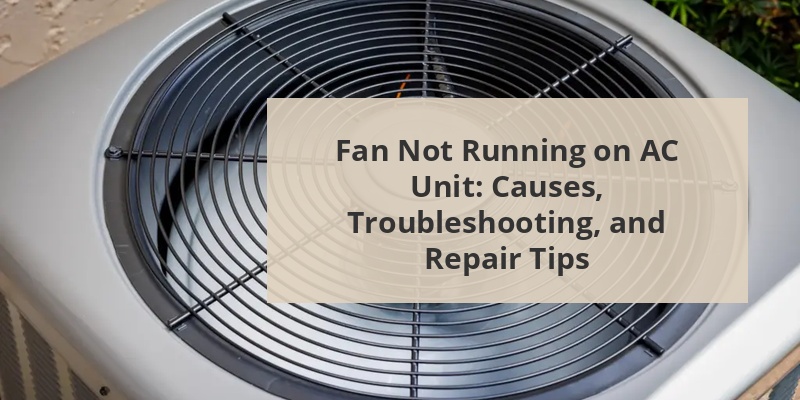
When the fan is not running on your AC unit, it can compromise comfort and cooling during hot American summers. This comprehensive guide explores the potential causes, step-by-step troubleshooting, and effective repair strategies designed for U.S. homeowners. Addressing the fan issue promptly not only restores efficient cooling but also prevents further costly AC repairs. Table summarizes quick diagnostic points and recommended actions.
| Symptom | Common Cause | DIY Solution | When to Call a Pro |
|---|---|---|---|
| Fan blades not spinning | Power issues, capacitor failure, motor issues | Check breakers, reset system, clear debris | Electrical/part replacement |
| Humming but not running | Capacitor or stuck motor | Clean unit, minor resets | Replace capacitor/motor |
| No sound or movement at all | Power loss, blown fuse | Check fuses, power supply | Wiring checks, electrical repair |
Content Navigation
- Common Reasons the Fan Is Not Running on an AC Unit
- Symptoms and Warning Signs of a Non-Running AC Fan
- Step-by-Step Troubleshooting for a Non-Running AC Fan
- DIY Solutions for Fan Not Running on an AC Unit
- When to Call a Professional HVAC Technician
- Key Air Conditioning Components Linked to the Fan Issue
- How the AC Fan Works in American Central Air Systems
- Energy Efficiency and the Consequences of a Non-Running Fan
- Preventive Maintenance Tips for AC Fan Health
- Repair Costs and Replacement Options for AC Fans
- Common DIY Mistakes to Avoid with AC Fans
- Choosing the Right Replacement Fan Motor or Parts
- Seasonal Checklist for Maintaining AC Fan Performance
- Frequently Asked Questions (FAQ) – AC Unit Fan Not Running
- Resources and References for American AC Repairs
Common Reasons the Fan Is Not Running on an AC Unit
There are several frequent causes for a non-running AC fan. Understanding these can help pinpoint and resolve the issue efficiently. The fan in an air conditioning unit is essential for expelling warm air outdoors and maintaining system pressure. Failure may result from electrical, mechanical, or environmental factors.
Electrical Issues
Electrical failures are among the most prevalent causes. Blown fuses, tripped breakers, or faulty wiring can disrupt power flow to the fan. Inspect the main circuit breaker, AC fuse, and outdoor disconnect to verify intact power delivery.
Capacitor Problems
The capacitor stores and releases energy needed to start and run the fan motor. A failed or weak capacitor can cause the fan to hum but not spin. Look for bulging, leaking, or burnt capacitors near the outdoor unit’s electrical panel.
Fan Motor Failures
If the fan motor goes bad, the blades will not spin even if power and controls are in order. Signs of a failing motor include abnormal noises, overheating, or total silence from the outdoor unit during operation attempts.
Thermostat Issues
A malfunctioning thermostat may fail to signal the unit to engage the fan. Double-check thermostat settings, battery status, and wiring integrity. Incorrect or loose wiring can block the signal needed to start the fan sequence.
Call 888-896-7031 for Free Local HVAC Quotes – Compare and Save Today!
Contactor or Relay Problems
The contactor or fan relay sends electrical current to the motor when cooling is called for. If the contactor sticks, burns out, or fails to close its circuit, the fan motor receives no power. This can often be heard as a clicking with no resulting action.
Obstructed or Stuck Fan Blades
Leaves, dirt, or debris can obstruct fan blade movement. Sometimes, accumulated grime or a bent blade prevents smooth rotation. This issue is visible and may be resolved with simple cleaning and lubrication.
Overheating and Safety Sensor Shutoff
Modern AC units feature thermal protection sensors to prevent damage from overheating. If the system detects unsafe temperatures, it may automatically shut off the fan circuit until a reset or repair occurs.
Symptoms and Warning Signs of a Non-Running AC Fan
Identifying the specific symptoms helps in diagnosing why the AC fan isn’t operational. This section offers a checklist of signs and their implications:
- Fan blades not moving: Indicates power, capacitor, or motor trouble.
- Unit hums but does not spin: Often linked to the capacitor or stuck fan shaft.
- No sound/movement at all: Suggests power supply or control board failure.
- Warm air blowing inside: The compressor may run, but lack of fan halts heat transfer.
- Outdoor unit unusually quiet: Failures in thermostat or safety locks possible.
- Burning smell or smoke: Points to electrical or motor overload—disconnect power immediately.
Step-by-Step Troubleshooting for a Non-Running AC Fan
Use these systematic troubleshooting steps to figure out why the fan is not running on your AC unit. Homeowners can resolve some causes, while others require professional skills.
1. Check Power Sources
Begin with the circuit breaker panel and outdoor AC disconnect. Reset any tripped breakers. Inspect fuses in both the main and AC-specific panels. Ensure outdoor AC units are plugged in if applicable.
Call 888-896-7031 for Free Local HVAC Quotes – Compare and Save Today!
2. Inspect Thermostat Settings
Confirm the thermostat is set to “cool” and the temperature is lower than the current room temp. Replace batteries if needed and verify all wires are firmly connected in their terminals.
3. Examine the Fan Blades and Outdoor Unit
Carefully remove debris and dirt from around the outdoor condenser fan. Gently spin the fan blades by hand—if they resist, motor bearings could be seized or obstructed.
4. Test the Capacitor
If the fan motor hums but won’t run, capacitor failure is likely. Use a multimeter if comfortable, or visually inspect for bulging or oily discharge. Only proceed if the power is fully off.
5. Observe Contactor Function
Press the contactor button with a nonconductive object (if visible; power off first). If manually closing the contactor engages the fan, the relay is likely faulty.
6. Listen for Unusual Noises
Grinding, buzzing, or silence can differentiate between electrical, motor, and blockage issues. Note any odors that suggest overheating or burning.
7. Inspect for Overheating and Trip Sensors
Give the system 20–30 minutes to cool down if it abruptly shut off in extreme heat. Test again after resetting the main power. Obstructed airflow or dirty filters can also trigger sensor shutdowns and should be cleaned regularly.
DIY Solutions for Fan Not Running on an AC Unit
Some basic DIY repairs may resolve minor issues with a non-running AC fan. Always turn off power to the unit at the breaker and outdoor disconnect before performing any work.
Clearing Debris and Obstructions
Turn off the system and clear leaves, twigs, and dirt from fan blades and grill. Carefully straighten any bent fan blades. Lubricate moving parts according to manufacturer recommendations if they look dry or rusty.
Resetting Breakers and Fuses
Locate the dedicated AC circuit breaker. If tripped, reset it. Replace blown fuses as necessary but investigate recurrent fuse issues, as these indicate deeper electrical faults.
Thermostat Quick Fix
Change thermostat batteries and ensure correct mode is selected. If the display is blank or flickering, check connections or reset the device per manufacturer instructions.
Fan Motor Manual Spin
With power off, carefully try to manually rotate the fan blades. If they move freely, the problem is likely electrical. Resistance suggests seized bearings or severe blockage requiring further inspection or replacement.
When to Call a Professional HVAC Technician
While homeowners can perform initial checks, licensed technicians handle complex repairs. Electrical work, capacitor replacement, and motor repair are best left to professionals. Here are situations where expert help is advised:
- Capacitor or contactor replacement: Risk of shock if mishandled.
- Motor replacement or rewinding: Requires special tools and technical know-how.
- Persistent power issues: Underlying electrical faults may exist.
- Heat or smoke from the unit: Stop use and call immediately to avoid fire or further damage.
- Unit under warranty: DIY repairs may void the manufacturer’s terms.
Key Air Conditioning Components Linked to the Fan Issue
Understanding related AC components clarifies how and why the fan stops running. This section explains the role and troubleshooting of important AC parts.
| Component | Description | Fan Impact |
|---|---|---|
| Capacitor | Stores electrical charge for fan motor startup | Failed capacitor = fan cannot start/spin |
| Contactor | Controls power flow to fan/compressor | Faulty contactor = no power to fan |
| Thermostat | Sends signal when cooling is needed | Incorrect signal = system stays off |
| Motor | Drives the fan blades | Bad motor = fan won’t spin |
| Fan Blade | Moves air over condenser coils | Obstructed blade = no airflow |
How the AC Fan Works in American Central Air Systems
An AC fan works by pulling outdoor air through the condenser coils, dissipating heat, and circulating cooled air inside your home. The process involves a relay of signals and power through the thermostat, contactor, capacitor, and motor that ultimately spin the blades. Failure in any step disrupts the cooling cycle.
Energy Efficiency and the Consequences of a Non-Running Fan
A non-functioning AC fan drastically reduces energy efficiency. Without airflow, the unit cannot expel heat efficiently, causing the compressor to overwork or short cycle. This increases electricity usage, risks component damage, and can shorten system lifespan. Prompt repairs reduce operating costs and help maintain optimal home comfort.
Preventive Maintenance Tips for AC Fan Health
Regular HVAC maintenance helps avoid fan problems and unexpected outages. Homeowners should take these preventive steps:
- Change HVAC filters every 1–3 months to maintain airflow.
- Schedule annual professional tune-ups to inspect and clean coils, motors, and capacitors.
- Keep outdoor units clear of foliage, trash, and debris for 2–3 feet all around.
- Lubricate moving parts if recommended by the manufacturer.
- Test the system at the start and end of each cooling season.
Repair Costs and Replacement Options for AC Fans
The cost to repair an AC fan in the U.S. varies by part and labor. Capacitor replacements typically run $100–$250, motor replacements range $300–$600, and full fan assembly repairs may exceed $800 for complex models. Repeated breakdowns or units over 10–15 years old may be candidates for full system upgrades, which can improve efficiency and reliability.
Common DIY Mistakes to Avoid with AC Fans
Attempting to repair an AC fan yourself can save money but risks injury and further damage if done incorrectly. Avoid these mistakes:
- Skipping safety shutoff: Always disconnect power first.
- Touching capacitor leads: Capacitors can store dangerous charge even when disconnected.
- Mixing up wires or terminals: Incorrect wiring may cause shorts or permanent damage.
- Forcing stuck blades: Can break components and cause personal injury.
- Ignoring strange noises or smells: May signal deeper, hazardous problems.
Choosing the Right Replacement Fan Motor or Parts
Accurate replacement of AC fan motors and parts is critical for reliable operation. Use the make, model, and serial number of your existing unit when sourcing new components. Consult the owner’s manual or HVAC dealer to match specifications for horsepower, voltage, and dimensions. Universal motors exist but may require adapter kits.
Seasonal Checklist for Maintaining AC Fan Performance
- Pre-season: Remove winter covers, clean debris, replace filters, check wiring integrity.
- Mid-season: Rinse outdoor coils with mild cleaner, lubricate fan, check for abnormal noises.
- Post-season: Remove dust and dirt, inspect for wear, schedule professional evaluation if needed.
Frequently Asked Questions (FAQ) – AC Unit Fan Not Running
Why is my AC fan not spinning but the unit is on? A failed capacitor or stuck motor is likely. Power may also bypass the fan if the contactor or relay is broken.
Can I run the AC if the fan is not working? No, running the unit without a functioning fan can cause severe compressor damage and overheating risks.
How do I know if my fan motor is bad? Signs include no movement, buzzing sounds, a burnt smell, or blades that do not spin freely even by hand.
Resources and References for American AC Repairs
- DOE: Maintaining Your Air Conditioner
- HVAC.com: AC Fan Not Working
- American Home Shield: AC Fan Not Running
Tackling the fan not running on your AC unit efficiently prevents discomfort and costly breakdowns. Prioritize regular maintenance and skilled repair for ultimate cooling performance in hot American summers.
Tips for Getting the Best HVAC Prices
- Prioritize Quality Over Cost
The most critical factor in any HVAC project is the quality of the installation. Don’t compromise on contractor expertise just to save money. - Check for Rebates
Always research current rebates and incentives — they can significantly reduce your overall cost. - Compare Multiple Quotes
Request at least three estimates before making your choice. You can click here to get three free quotes from local professionals. These quotes include available rebates and tax credits and automatically exclude unqualified contractors. - Negotiate Smartly
Once you've chosen a contractor, use the proven strategies from our guide — How Homeowners Can Negotiate with HVAC Dealers — to get the best possible final price.