
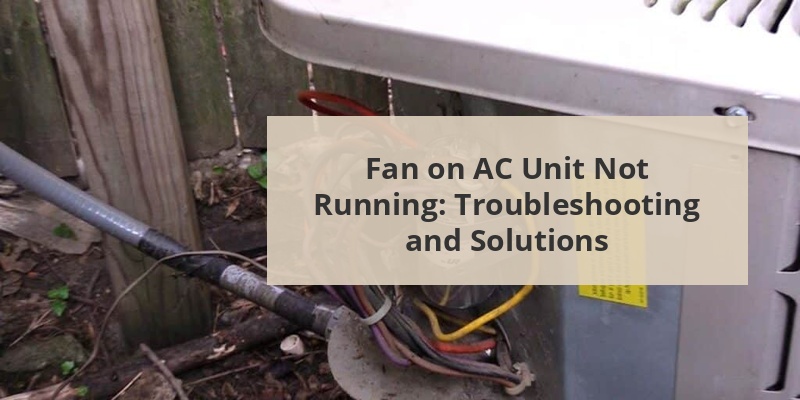
When the fan on your AC unit stops running, it can lead to reduced comfort and potential system damage. Identifying the root cause quickly is crucial. This guide explores every possible reason why your air conditioner’s fan isn’t working. Discover step-by-step expert troubleshooting, common repairs, and valuable maintenance tips to ensure your AC delivers optimal cooling all summer long.
Content Navigation
- Quick Troubleshooting Reference Table
- How The AC Fan Works In Central Air Systems
- Common Reasons The AC Fan Isn’t Running
- Troubleshooting Steps When The Fan On AC Unit Is Not Running
- DIY Fixes Vs. Professional Repairs
- How To Prevent AC Fan Problems In The Future
- Common Costs For AC Fan Repairs And Parts
- Recognizing If Your AC Fan Is Not Running Properly
- Frequently Asked Questions About AC Fans Not Running
- What To Expect During Professional AC Fan Repair
- Choosing The Right Technician For AC Repairs
- How Long Should AC Fans Last?
- Summary: Ensuring Your AC Fan Keeps Running
Quick Troubleshooting Reference Table
| Potential Cause | Easy Fix? | Need a Pro? | Key Signs |
|---|---|---|---|
| Tripped Breaker/Blown Fuse | ✔️ | No power, won’t turn on | |
| Thermostat Issues | ✔️ | Incorrect settings, blank display | |
| Dirty Air Filter | ✔️ | Frequent cycling, low airflow | |
| Capacitor Failure | ✔️ | Clicking, humming, fan won’t start | |
| Motor Burnout | ✔️ | Burnt smell, humming, no movement | |
| Relay or Contactor Problems | ✔️ | Stuck relay, no fan activity |
How The AC Fan Works In Central Air Systems
The AC fan plays a critical role in both indoor and outdoor AC units. In most households, the air conditioning system has:
- An indoor blower fan (in the air handler or furnace)
- An outdoor condenser fan (in the external unit)
The indoor fan moves cool air through your home’s ducts. The outdoor fan removes heat gathered from inside your home. Both fans must work together for effective cooling.
Indoor And Outdoor AC Fan Differences
The indoor fan circulates air across the evaporator coil, while the outdoor fan cools the condenser by expelling hot air. If either fan stops, system performance drops, risking compressor failure and rising energy bills.
Common Reasons The AC Fan Isn’t Running
Let’s break down the most frequent causes for an AC fan not spinning or turning on. Each root problem requires a unique solution. Accurate diagnosis saves time, money, and inner comfort.
Power Supply And Electrical Problems
A lack of power is the most straightforward culprit. Always start with:
Call 888-896-7031 for Free Local HVAC Quotes – Compare and Save Today!
- Tripped circuit breaker—Check the electrical panel for breakers labeled “AC,” “furnace,” or “air handler.”
- Blown fuses—Some older systems use cartridge or blade fuses. Replace if blown.
- Loose or corroded wiring—Damaged wire connections can interrupt power flow and are a fire hazard.
If resetting the breaker or replacing fuses doesn’t restore operation, deeper electrical issues may be present.
Thermostat Issues: Settings Or Malfunctions
The thermostat is the AC’s command center. Problems include:
- Low batteries or dead display
- Incorrect temperature settings—“Fan ON” or “Auto” settings can make a difference.
- Disconnected wires or programming errors
Always check the thermostat display and settings before inspecting the AC unit itself.
Clogged Air Filter Restricting Airflow
A clogged air filter can cause the system to overheat or shut down—especially the indoor blower fan. Dirty filters also reduce AC efficiency.
- Replace air filters monthly during peak cooling season
- Check for dust buildup on the filter and nearby vents
Regular filter changes can prevent up to 80% of common AC failures.
Capacitor Failure: A Frequent Fan Stopping Issue
The run capacitor stores energy and gives the fan motor a boost to start. A failed capacitor means the fan hums but doesn’t turn.
Call 888-896-7031 for Free Local HVAC Quotes – Compare and Save Today!
- Symptoms: clicking, humming, intermittent starts, or fan not spinning
- Testing capacitors requires a multimeter and, often, a professional technician
Capacitor replacements are affordable, but must be done by trained professionals due to stored electrical charge.
Fan Motor Burnout Or Seizure
Age, dust, or overheating can cause the fan motor to burn out or seize up. Signs include:
- Motor does not turn even when pushed manually (with power off!)
- Burnt smell, visible smoke, or loud humming
- Repeated circuit breaker trips
Motor replacement often requires licensed HVAC service.
Contactor Or Relay Failure
Contactors and relays control the flow of electricity to the AC fan. If these parts stick or fail, the fan will not start.
- Mechanical wear, insects, or electrical arcing can cause failure
- Testing requires electrical know-how and safe handling
Relay failure is a typical reason for older systems’ fans to stop running.
Troubleshooting Steps When The Fan On AC Unit Is Not Running
Follow these steps to pinpoint the problem, improve safety, and help your technician with repairs.
Step 1: Turn Off Power For Safety
Before opening any panels, switch off the AC unit at the breaker to avoid electrical shock.
Step 2: Inspect The Thermostat
- Verify display is on and batteries are fresh
- Ensure system is set to “Cool” and temperature is below current room temp
- Check “Fan” is on “Auto” or “On”
If the display is blank, try replacing batteries or checking the thermostat fuse.
Step 3: Check The AC Filter
- Locate and remove the air filter (usually near the return air duct)
- If it’s gray, dusty, or has debris, replace it with a new filter
Dirty filters are often the culprit if the unit runs briefly then shuts off.
Step 4: Reset The Circuit Breaker
- Find and reset the AC’s breaker at the main panel
- If the breaker trips immediately, do not reset repeatedly—this indicates a serious electrical issue
Step 5: Inspect The Outdoor Unit (Condenser Fan)
- Visually inspect the fan blades for debris or visible damage
- Listen for humming (a sign of motor or capacitor failure)
- If the fan motor hums but won’t turn, try spinning the fan with a stick (with power off!)—if it starts, the capacitor is likely bad
Never force the fan to spin with power on. Seek professional repair if unsure.
Step 6: Evaluate For Physical Obstructions
- Remove leaves, dirt, or sticks blocking the outdoor fan
- Check for ice or frost on coils, which may indicate a more complex problem
DIY Fixes Vs. Professional Repairs
What Homeowners Can Safely Fix
- Replace air filters regularly
- Check and reset circuit breakers
- Change thermostat batteries or adjust settings
- Clear minor debris around the outside condenser unit
These simple steps can solve many fan-related AC issues without a service call.
When To Call An HVAC Technician
- Fan motor hums but blades won’t spin
- Frequent breaker trips or blown fuses
- Replace capacitors, contactors, or relays
- Seized fan motor, bent blades, or electrical burning smells
Most internal electrical repairs should only be handled by professionals to avoid injury or voiding warranties.
How To Prevent AC Fan Problems In The Future
Regular AC maintenance can prevent fan failures and prolong system lifespan.
Regular HVAC Inspection And Tune-Ups
- Schedule annual HVAC service every spring
- Request a full inspection of motors, electrical components, and lubrication of moving parts
- Technicians should check refrigerant charge, system pressures, and fan balance
DIY Maintenance Tips
- Change air filter every 1-3 months
- Keep outdoor unit clear of debris and trim back shrubs 2-3 feet
- Keep supply and return vents in the home unblocked
Monitor For Warning Signs
- Listen for new noises, humming, or rattling—these often precede failure
- Pay attention to reduced airflow or rapid cycling
- Check for visible ice, leaks, or odd smells on or near the AC unit
Common Costs For AC Fan Repairs And Parts
| Repair Item | Typical Cost (Labor & Parts) |
|---|---|
| Replace Run Capacitor | $120 – $350 |
| New Fan Motor (Indoor or Outdoor) | $400 – $900 |
| Blower Wheel Replacement | $300 – $800 |
| Contactor/Relay | $150 – $350 |
| Diagnostic Inspection | $80 – $180 |
These costs can vary widely by region, AC model, and accessibility. Routine maintenance helps avoid the need for major repairs.
Recognizing If Your AC Fan Is Not Running Properly
If you notice any of the following, it’s time to investigate or call for help:
- No air blowing from vents when AC is on
- Warm air (instead of cool) from supply vents
- Outdoor unit is making noise, but the fan is visibly still
- Frequent cycling on and off without cooling the house
- Unusual sounds: grinding, screeching, humming, clicking
Frequently Asked Questions About AC Fans Not Running
Can I Run My AC If The Fan Isn’t Working?
No. Operating the AC without the fan running can damage the compressor and other costly components. Disconnect power and call a technician immediately.
Is It Safe To Replace An AC Capacitor Myself?
AC capacitors store dangerous electrical charges even when powered off. Only attempt DIY replacement if you are trained and have the right safety gear. Otherwise, call a professional.
What’s The Difference Between A Blower Fan And A Condenser Fan?
The blower fan is inside your home and moves cooled air through ducts. The condenser fan is in the outdoor unit and releases absorbed heat outside. Each has separate controls and failure points.
Should Both Fans Run Simultaneously?
Yes. Proper cooling requires indoor and outdoor fans to run together. If one fan does not operate, system cooling will suffer.
What To Expect During Professional AC Fan Repair
When you schedule a service call, the technician will:
- Confirm the problem by running the AC through diagnostic cycles
- Test voltage and continuity across relays, capacitors, and motors
- Physically inspect fan blades and wiring
- Provide an estimate and recommend repairs or replacement
Quick diagnosis and repair can restore comfort and reduce the risk of further system damage.
Choosing The Right Technician For AC Repairs
Tips For Finding A Reputable HVAC Contractor
- Look for licensed and insured HVAC professionals in your state
- Check online reviews—Google, Bing, Yelp, and Better Business Bureau
- Request upfront estimates and inquire about warranties on parts and labor
- Ask about experience with your specific AC brand and model
Establishing a relationship with a trusted HVAC company saves time and money on future repairs.
How Long Should AC Fans Last?
With proper maintenance, AC fans often last 10-15 years. Factors influencing lifespan include:
- Frequency of filter changes
- Exposure to weather extremes and debris
- Electrical surges or power interruptions
- Usage cycles (heavy summer vs. light use)
Regular inspections and tune-ups can significantly extend fan and overall system life.
Summary: Ensuring Your AC Fan Keeps Running
Losing the fan on your AC unit can leave your home uncomfortable and risk expensive component failures. Systematic troubleshooting, routine maintenance, and timely repairs will help keep your AC system in top condition and your home cool whenever heat strikes.
Tips for Getting the Best HVAC Prices
- Prioritize Quality Over Cost
The most critical factor in any HVAC project is the quality of the installation. Don’t compromise on contractor expertise just to save money. - Check for Rebates
Always research current rebates and incentives — they can significantly reduce your overall cost. - Compare Multiple Quotes
Request at least three estimates before making your choice. You can click here to get three free quotes from local professionals. These quotes include available rebates and tax credits and automatically exclude unqualified contractors. - Negotiate Smartly
Once you've chosen a contractor, use the proven strategies from our guide — How Homeowners Can Negotiate with HVAC Dealers — to get the best possible final price.