
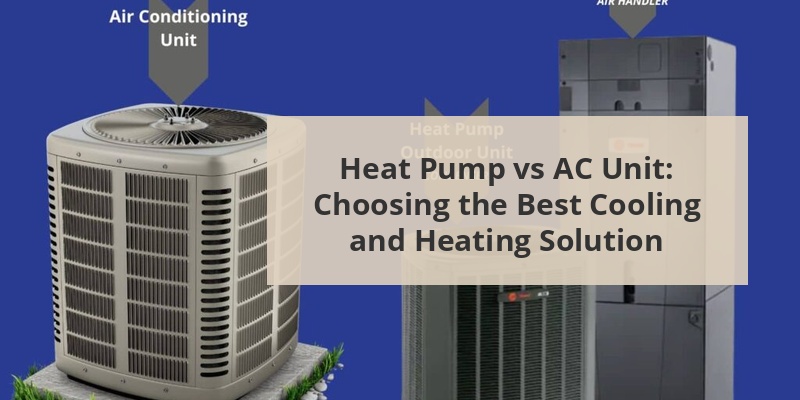
With rising energy costs and growing interest in eco-friendly living, many American homeowners are weighing the benefits of a heat pump vs AC unit. Both technologies deliver reliable cooling, but heat pumps can also provide heating—potentially saving money and simplifying home systems. This article compares heat pumps and air conditioners in performance, efficiency, cost, climate suitability, and long-term value to help you determine the best option for your needs.
| Feature | Heat Pump | AC Unit |
|---|---|---|
| Primary Function | Heating and Cooling | Cooling Only |
| Energy Efficiency | High (in moderate climates) | High (for cooling only) |
| Upfront Cost | Higher | Lower |
| Operational Cost | Lower in mild climates | Higher (with separate heating system) |
| Best Climate Suitability | Mild to moderate | All climates (paired with furnace in cold regions) |
| Typical Lifespan | 10-15 years | 10-15 years |
| Heating Source | Electric (no combustion) | Requires separate furnace |
Content Navigation
- How Heat Pumps And Air Conditioners Work
- Energy Efficiency: Heat Pump Vs AC Unit
- Heating Performance: Where Heat Pumps Shine And Stumble
- Installation Costs: Comparing Upfront Investment
- Operating Costs And Long-Term Value
- Climate Suitability: What’s Best Where You Live?
- Environmental Impact And Sustainability
- Types Of Heat Pumps And AC Units
- Noise Levels And Home Comfort
- Tax Credits, Rebates, And Incentives
- When To Choose A Heat Pump Vs AC Unit
- Frequently Asked Questions
- Key Takeaways For Homeowners
- Summary Comparison Table: Heat Pump vs AC Unit
How Heat Pumps And Air Conditioners Work
Basic Operation Of Air Conditioners
An air conditioner (AC unit) cools indoor spaces by using refrigerant to absorb heat from inside your home and expel it outdoors. This process creates a continuous cycle of cooling, lowering indoor temperatures efficiently. Traditional central AC systems are usually paired with a furnace or another type of heating system to provide year-round comfort.
Basic Operation Of Heat Pumps
A heat pump operates almost identically to an AC unit when cooling. However, during colder months, it can reverse the refrigerant cycle to extract heat from outside air and transfer it indoors. This dual function—both heating and cooling—makes heat pumps highly versatile and attractive for regions with mild winters. Unlike furnaces, heat pumps do not rely on combustion, providing cleaner heating options.
Energy Efficiency: Heat Pump Vs AC Unit
Measuring Efficiency: SEER And HSPF Ratings
Both air conditioners and heat pumps use the Seasonal Energy Efficiency Ratio (SEER) to measure cooling efficiency. For heating, heat pumps also have a Heating Seasonal Performance Factor (HSPF). Higher SEER or HSPF ratings correspond to greater efficiency and lower energy consumption for the same cooling or heating output.
Heat Pumps: Efficiency In Mild Climates
In climates with moderate or mild winters, heat pumps can often deliver up to three times more heating energy than they use in electricity. For cooling, modern heat pumps are as efficient as high-end central air conditioners, making them a strong year-round option.
Air Conditioners: Reliable, High Efficiency For Cooling
Contemporary central air conditioners often achieve SEER ratings from 14 to 21, delivering highly efficient cooling. However, AC units provide no heating and need to be paired with separate systems, which may be less efficient than heat pumps in shoulder seasons (spring and fall).
Call 888-896-7031 for Free Local HVAC Quotes – Compare and Save Today!
Heating Performance: Where Heat Pumps Shine And Stumble
Heat Pumps In Mild And Moderate Climates
Heat pumps are most efficient and effective in regions where winter temperatures rarely drop below freezing. In these environments, they can fully handle home heating needs with lower operational costs compared to electric resistance or oil furnaces.
Limitations Of Heat Pumps In Cold Climates
As outdoor temperatures plunge, the ability of standard heat pumps to extract heat diminishes. In areas where temperatures routinely drop below 25°F (-4°C), heat pumps may need expensive backup heating or deliver less comfort. Newer cold-climate heat pumps are mitigating this issue, but the technology is still catching up to traditional heating methods in very cold regions.
Air Conditioners: Separate Heating Systems
Traditional AC units do not provide heating at all. Homeowners in colder regions must rely on furnaces or boilers for winter warmth, which can be less efficient and result in higher annual heating costs than an all-in-one heat pump (in moderate climates).
Installation Costs: Comparing Upfront Investment
Typical Installation Costs For Heat Pumps
The cost to install a heat pump ranges from $4,000 to $10,000 or more depending on system size, brand, and complexity. Ductless mini-split heat pumps may cost less for single rooms or additions, while advanced whole-home systems can approach or exceed the high end of this range.
Typical Installation Costs For AC Units
Installing a central air conditioner generally runs $3,500 to $7,500. However, this does not include the cost of a furnace or boiler needed for heating, which can add several thousand dollars to the total system price if not already in place.
Factors Affecting Both Installation Types
- System capacity (size, measured in tons or BTUs)
- Existing ductwork or ventilation needs
- Electrical upgrades (breaker panels, wiring)
- Brand, model, and advanced features (smart thermostats, multi-stage compressors)
- Local labor rates and permit fees
Operating Costs And Long-Term Value
Annual Energy Costs
The main variable in long-term cost is energy consumption. In moderate climates, heat pumps often cost less to operate annually than a combination of central AC and furnace heating. In very cold climates, furnaces can be less expensive for heating, while cooling costs remain similar for both systems.
Call 888-896-7031 for Free Local HVAC Quotes – Compare and Save Today!
Seasonal Savings With Heat Pumps
Heat pumps can deliver heating with up to 300% efficiency in ideal conditions, meaning for each unit of electrical energy, you get three units of heat. This leads to lower utility bills in environments where they don’t need backup heaters frequently.
Maintenance And Repairs
Both heat pumps and AC units require similar annual maintenance: cleaning or replacing filters, checking refrigerant, inspecting coils, and ensuring electrical connections are secure. Heat pumps may have more wear due to year-round use, but modern components are designed for durability. Expected lifespan for both is typically 10-15 years with proper care.
Climate Suitability: What’s Best Where You Live?
Best Climates For Heat Pumps
Heat pumps excel in U.S. regions with mild to moderate winters—such as the Southeast, Pacific Northwest, and much of the West Coast. Many utilities in these regions even offer rebates for heat pump installations as part of energy efficiency initiatives.
Best Climates For AC Units
In the Northeast, Midwest, and Mountain states—where winter lows regularly hit sub-freezing—standard AC units paired with gas or oil furnaces remain popular. Cold-climate heat pumps are improving, but pairing an AC with a powerful furnace may currently be more cost-effective in extreme cold.
Environmental Impact And Sustainability
Reduced Carbon Footprint With Heat Pumps
Because heat pumps use electricity (which can be sourced from renewables) and transfer heat rather than generating it through combustion, their greenhouse gas emissions are significantly lower, especially in regions with cleaner energy grids.
AC Units: Carbon Output Comes From Heating Source
While efficient for cooling, central AC units paired with furnaces (fuel oil, propane, or natural gas) result in higher carbon emissions overall. Switching to a heat pump can be one of the most impactful steps for homeowners aiming to reduce their environmental footprint.
Types Of Heat Pumps And AC Units
Types Of Heat Pumps
- Air-Source Heat Pumps – Most common in residential settings, move heat between your home and outdoor air.
- Ground-Source (Geothermal) Heat Pumps – Use underground pipes to access more stable temperatures, highly efficient but expensive to install.
- Ductless Mini-Split Heat Pumps – Good for homes without central ductwork or for additions/individual rooms.
- Cold-Climate Heat Pumps – Advanced systems designed to work at lower outside temperatures.
Types Of Air Conditioners
- Central AC – Cools multiple rooms via ductwork, common in many American homes.
- Window/Portable Units – Serve single rooms; inexpensive but less efficient for whole-house comfort.
- Ductless Mini-Splits – Similar to heat pumps, but only provide cooling.
Noise Levels And Home Comfort
Heat Pump Noise
Heat pumps typically run as quietly as a high-quality central AC, especially modern inverter models. Some outdoor units may produce more noise in heating mode during defrost cycles, but manufacturers address this with sound insulation.
Air Conditioner Noise
Central AC units produce a steady, moderate background hum. Window ACs are noisier, especially at higher fan settings, while mini-split systems remain the quietest.
Tax Credits, Rebates, And Incentives
Federal And State Savings For Heat Pumps
The Inflation Reduction Act and other federal initiatives provide tax credits for qualifying heat pump systems, with potential rebates of up to $2,000 or more. Local utilities may offer additional incentives, making the return on investment even faster.
Incentives For Air Conditioners
High-efficiency AC units can qualify for rebates in some states, but financial programs are generally more substantial for heat pumps because of their efficiency and sustainability benefits.
When To Choose A Heat Pump Vs AC Unit
When A Heat Pump Is The Smart Choice
- If you live in a region with average winter temperatures above 25°F, a heat pump offers efficient cooling and heating.
- You want to reduce fossil fuel use and carbon footprint.
- You are building or renovating and want an all-in-one system.
- You plan to electrify other home systems simultaneously (solar panels, water heater, etc.).
When An AC Unit Makes More Sense
- If you already have an efficient furnace and need to upgrade only your cooling.
- You live in very cold regions where backup heating is essential.
- Upfront budget is limited and you want a lower initial investment.
Frequently Asked Questions
Can A Heat Pump Replace My AC Unit Directly?
Yes. In most homes with existing central ductwork, a heat pump can replace the AC unit and furnace, delivering both heating and cooling. Some electrical or duct upgrades may be necessary.
Do Heat Pumps Work During Power Outages?
No. Like air conditioners, electric heat pumps stop running during outages—plan for backup solutions if you’re in an area with unreliable grid power.
Will My Bills Really Go Down With A Heat Pump?
In mild climates or homes with old oil/gas systems, utility bills can drop significantly after switching to a heat pump—often by 20-50% for heating. Savings vary by region, home insulation, and energy rates.
Can I Install A Heat Pump Or AC Myself?
Installation of both systems should be handled by licensed professionals. Improper setup can reduce efficiency, violate code, or risk safety hazards.
Tips for Getting the Best HVAC Prices
- Prioritize Quality Over Cost
The most critical factor in any HVAC project is the quality of the installation. Don’t compromise on contractor expertise just to save money. - Check for Rebates
Always research current rebates and incentives — they can significantly reduce your overall cost. - Compare Multiple Quotes
Request at least three estimates before making your choice. You can click here to get three free quotes from local professionals. These quotes include available rebates and tax credits and automatically exclude unqualified contractors. - Negotiate Smartly
Once you've chosen a contractor, use the proven strategies from our guide — How Homeowners Can Negotiate with HVAC Dealers — to get the best possible final price.
Key Takeaways For Homeowners
- Heat pumps provide all-in-one heating and cooling—best for mild to moderate climates and where sustainability matters.
- Air conditioners deliver efficient cooling but require separate heating systems—often preferred in very cold regions.
- Upfront installation costs are higher for heat pumps, but rebates and long-term savings can offset the difference.
- Consider climate, energy costs, rebates, and your long-term plans before making a decision.
Summary Comparison Table: Heat Pump vs AC Unit
| Criteria | Heat Pump | AC Unit |
|---|---|---|
| Functionality | Cooling & Heating | Cooling Only |
| Best For | Moderate/Mild Climates | All Climates (paired with furnace in cold zones) |
| Efficiency | High (SEER for cooling, HSPF for heating) | High (SEER for cooling) |
| Upfront Cost | Higher | Lower |
| Annual Energy Savings | Significant in mild climates | May require more energy for heating |
| Environmental Impact | Low (especially with renewables) | Higher (depending on fuel source for heating) |
| Total Comfort | Year-round in one system | Partial (depends on added heating) |