

Oysters are remarkable marine creatures known for their impressive water filtering capabilities. As natural filter feeders, these bivalve mollusks continuously siphon water through their gills, extracting nutrients and particles while simultaneously cleansing the water around them. A single oyster can filter surprising volumes of water each day, making them essential players in maintaining aquatic ecosystem health. This natural filtration process helps improve water clarity, reduce algal blooms, and remove excess nutrients from coastal waters and estuaries where oysters typically thrive.
Content Navigation
The Oyster Filtration Process
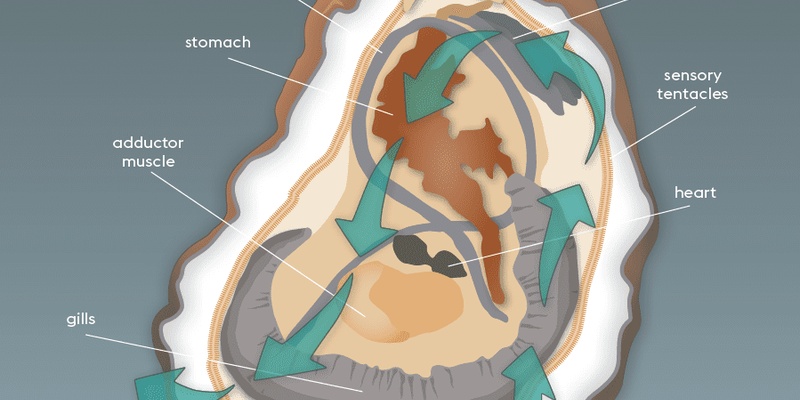
Oysters employ a fascinating biological mechanism to filter water. They draw water in through their gills using tiny hair-like structures called cilia that create currents. As water passes through, the oyster’s gills trap plankton, algae, and other suspended particles that serve as food. The filtered water is then expelled back into the environment in a cleaner state.
During this process, oysters primarily remove:
- Phytoplankton and microalgae
- Suspended sediments and particles
- Excess nutrients (particularly nitrogen)
- Some pollutants and contaminants
- Bacteria and microorganisms
This filtration happens continuously when conditions are favorable, with oysters opening their shells to filter and closing them when environmental conditions become unfavorable or when threatened.
Daily Filtration Volume
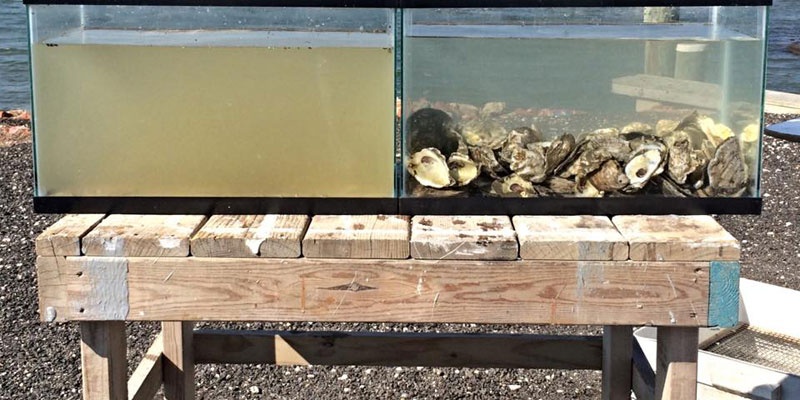
An average adult oyster can filter between 20 to 50 gallons (75 to 190 liters) of water per day when actively feeding. This remarkable capacity varies significantly based on several factors including oyster species, size, age, and environmental conditions.
| Oyster Species | Average Filtration Rate (gallons/day) |
|---|---|
| Eastern Oyster (Crassostrea virginica) | 30-50 |
| Pacific Oyster (Crassostrea gigas) | 20-30 |
| European Flat Oyster (Ostrea edulis) | 15-25 |
| Olympia Oyster (Ostrea lurida) | 10-15 |
To put this in perspective, a healthy acre of oyster reef containing approximately 7,500 oysters could potentially filter about 240,000 gallons of water daily. Historically, before their populations declined, oysters could filter the entire volume of some estuaries within days.
Call 888-896-7031 for Free Local HVAC Quotes – Compare and Save Today!
Factors Affecting Filtration Rates
Several key factors influence how much water an oyster can filter in a day:
Size and Age
Larger, mature oysters generally filter more water than smaller, younger ones. An oyster’s filtration rate typically increases as it grows, with peak efficiency occurring in adult specimens. A three-year-old oyster may filter twice as much water as a one-year-old oyster of the same species.
Water Temperature
Temperature significantly impacts oyster metabolism and filtration rates. Most oyster species filter most efficiently between 68-77°F (20-25°C). Filtration rates can decline by 40-60% when water temperatures fall below 50°F (10°C) or rise above 86°F (30°C). During winter months in colder regions, oysters may nearly cease filtering altogether.
Water Quality and Food Availability
Filtration rates increase with higher concentrations of phytoplankton and suitable food particles. However, excessive turbidity or pollutants can cause oysters to close their shells temporarily, halting filtration. Optimal salinity levels (varying by species but typically 15-25 parts per thousand) also promote maximum filtration efficiency.
| Environmental Factor | Effect on Filtration Rate |
|---|---|
| Optimal temperature (68-77°F) | Maximum filtration |
| Cold water (<50°F) | Reduced by 40-60% |
| High food concentration | Increased filtration |
| Excessive turbidity | Temporary cessation |
| Optimal salinity (15-25 ppt) | Maximum filtration |
Ecological Significance
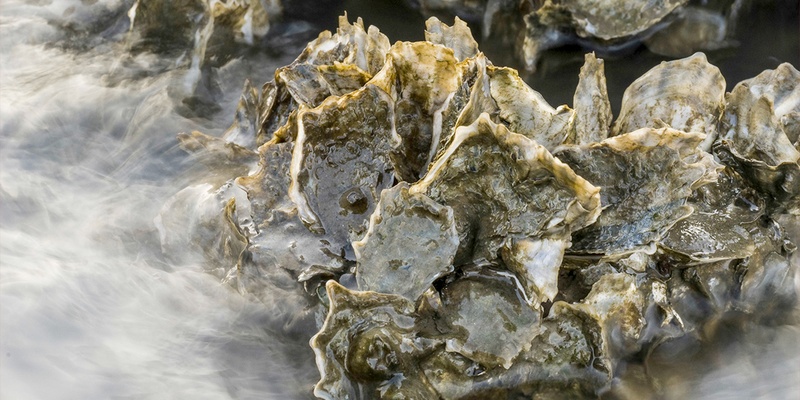
The impressive filtration capacity of oysters translates into substantial ecological benefits. A healthy oyster reef serves as a natural water treatment system with far-reaching effects on marine and estuarine ecosystems.
Key ecological benefits include:
Call 888-896-7031 for Free Local HVAC Quotes – Compare and Save Today!
- Improved water clarity, allowing sunlight to reach underwater grasses
- Reduction of harmful algal blooms by removing excess algae
- Removal of nitrogen and phosphorus that contribute to eutrophication
- Sequestration of carbon in their shells and reef structures
- Creation of habitat for hundreds of marine species
The Chesapeake Bay provides a compelling example. Historically, its oyster population could filter the entire bay volume (about 19 trillion gallons) in just 3-4 days. Today, with severely depleted oyster populations, the same filtration takes nearly a year.
Comparison with Other Filter Feeders
While oysters are impressive filter feeders, they’re part of a diverse community of marine organisms that help clean water bodies. Oysters generally filter more water per individual than many other bivalves, though some species can match or exceed their capacity.
| Filter Feeder | Average Filtration Rate (gallons/day) |
|---|---|
| Oyster (adult) | 20-50 |
| Blue Mussel | 5-15 |
| Hard Clam | 4-10 |
| Scallop | 15-25 |
| Sponge (per cubic inch) | Can exceed 100 |
While individual sponges can filter more water by volume, oysters form dense reefs that concentrate their filtering power, creating zones of intensified water purification.
Applications in Environmental Restoration
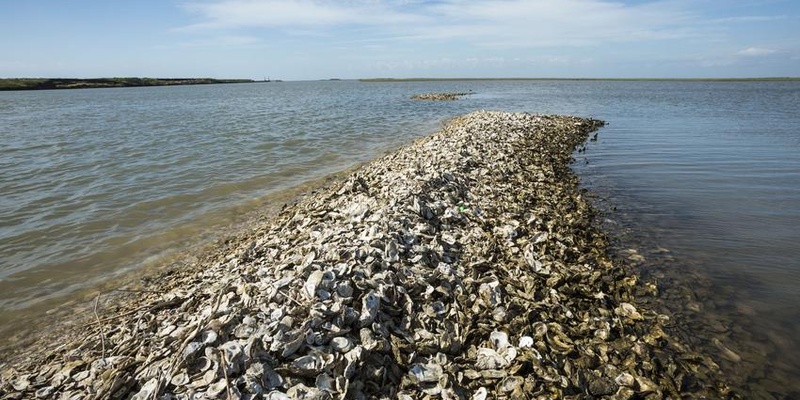
The exceptional filtering abilities of oysters have made them central to many coastal restoration efforts. Oyster reef restoration projects simultaneously improve water quality and create essential marine habitat.
Restoration initiatives include:
- Creating artificial reefs using recycled shell material
- Seeding areas with oyster larvae to establish new populations
- Building “living shorelines” that incorporate oyster reefs for erosion control
- Using oyster gardens and aquaculture to supplement wild populations
In New York Harbor, the Billion Oyster Project aims to restore one billion oysters by 2035, which could potentially filter 30-50 billion gallons of water daily. Similar initiatives exist in the Chesapeake Bay, Gulf of Mexico, and other coastal areas where oyster populations have declined dramatically.
Economic Value of Oyster Filtration
The water filtration services provided by oysters represent significant economic value. Economists estimate that oyster reefs provide ecosystem services worth $5,500-$99,000 per hectare annually, with water filtration being a major component of this value.
These economic benefits manifest in multiple ways:
- Reduced costs for artificial water treatment
- Increased revenues from improved fisheries
- Higher property values near cleaner waterways
- Expanded recreational opportunities in clearer waters
- Carbon sequestration benefits
This economic valuation helps justify investment in oyster restoration projects, which typically cost between $10,000-$100,000 per acre depending on location, methods, and scale.
Tips for Getting the Best HVAC Prices
- Prioritize Quality Over Cost
The most critical factor in any HVAC project is the quality of the installation. Don’t compromise on contractor expertise just to save money. - Check for Rebates
Always research current rebates and incentives — they can significantly reduce your overall cost. - Compare Multiple Quotes
Request at least three estimates before making your choice. You can click here to get three free quotes from local professionals. These quotes include available rebates and tax credits and automatically exclude unqualified contractors. - Negotiate Smartly
Once you've chosen a contractor, use the proven strategies from our guide — How Homeowners Can Negotiate with HVAC Dealers — to get the best possible final price.