

Carbon filters have become a popular solution for improving drinking water quality in American homes. These filtration systems utilize activated carbon to attract and trap various impurities through a process called adsorption. Carbon filters are indeed good for drinking water as they effectively remove many common contaminants like chlorine, volatile organic compounds (VOCs), and certain pesticides, improving taste and odor. However, their effectiveness depends on the specific type of carbon filter, maintenance schedule, and the particular contaminants present in your water supply.
Carbon filters operate through a process called adsorption, where contaminant molecules adhere to the surface of the activated carbon material. Activated carbon has an incredibly large surface area – just one gram can have a surface area equivalent to more than 3,000 square feet. This extensive surface area provides numerous binding sites for capturing impurities.
The carbon material undergoes a special activation process involving high temperatures and sometimes chemical treatments that create millions of tiny pores between carbon atoms. These microscopic pores trap contaminants while allowing water molecules to pass through. The carbon’s positively charged surface attracts negatively charged contaminants, effectively removing them from your drinking water.
Content Navigation
Types of Carbon Filters for Drinking Water

Several types of carbon filters are available for home use, each with different capabilities and applications:
Granular Activated Carbon (GAC)
GAC filters contain loose carbon granules that water flows around. They’re commonly used in pitcher filters and refrigerator filters. While affordable and effective for basic filtration, water may find channels through the loose material, reducing contact time and effectiveness.
Carbon Block
Carbon block filters contain compressed carbon particles forming a solid block. They provide superior filtration compared to GAC because water must pass directly through the carbon rather than around it. They typically remove more contaminants and last longer than GAC filters.
Call 888-896-7031 for Free Local HVAC Quotes – Compare and Save Today!
Catalytic Carbon
Catalytic carbon undergoes additional treatment to enhance its adsorptive properties. These specialized filters excel at removing chloramines (a disinfectant used by many municipal water systems) that regular carbon filters struggle to eliminate.
| Carbon Filter Type | Best For | Relative Cost | Lifespan |
|---|---|---|---|
| Granular Activated Carbon | Basic filtration, improved taste | $ | 2-6 months |
| Carbon Block | Comprehensive contaminant removal | $$ | 6-12 months |
| Catalytic Carbon | Chloramine removal | $$$ | 6-12 months |
Contaminants Removed by Carbon Filters

Carbon filters are particularly effective at removing certain types of contaminants from drinking water. They excel at reducing organic compounds and chemicals that affect taste and odor. Here’s what carbon filters typically remove:
- Chlorine and chlorine byproducts – improving taste and odor
- Volatile Organic Compounds (VOCs) including benzene and trichloroethylene
- Some pesticides and herbicides
- Some pharmaceutical residues
- Certain industrial solvents
- Some heavy metals (with specialized carbon media)
- Radon and hydrogen sulfide (rotten egg smell)
It’s important to note that standard carbon filters do not remove all contaminants. They have limited effectiveness against inorganic compounds like fluoride, nitrates, and arsenic. Most cannot remove dissolved minerals, salts, or microorganisms like bacteria and viruses.
Benefits of Using Carbon Filters
Carbon filtration offers several advantages for improving drinking water quality:
- Improved taste and odor – Carbon excels at removing chlorine and other compounds that cause unpleasant tastes and smells
- No electricity required – Most carbon filters work using water pressure alone
- Environmentally friendly – Carbon is a renewable resource
- Cost-effective – Carbon filters generally provide good value relative to filtration performance
- Versatile installation options – Available as pitchers, faucet attachments, under-sink systems, or whole-house filters
- No chemicals added – Unlike some water treatment methods, carbon filtration doesn’t introduce new substances
Limitations of Carbon Filters
Despite their benefits, carbon filters have several limitations to consider:
- Cannot remove all contaminants – Ineffective against many inorganic compounds, dissolved minerals, and microorganisms
- Require regular replacement – Filter capacity diminishes over time as binding sites fill up
- Potential for bacterial growth – Trapped contaminants can become breeding grounds for bacteria if filters aren’t changed regularly
- Limited flow rate – Higher filtration performance often means slower water flow
- Varying quality between brands – Performance can differ significantly between manufacturers
Comparing Carbon Filters with Other Filtration Methods
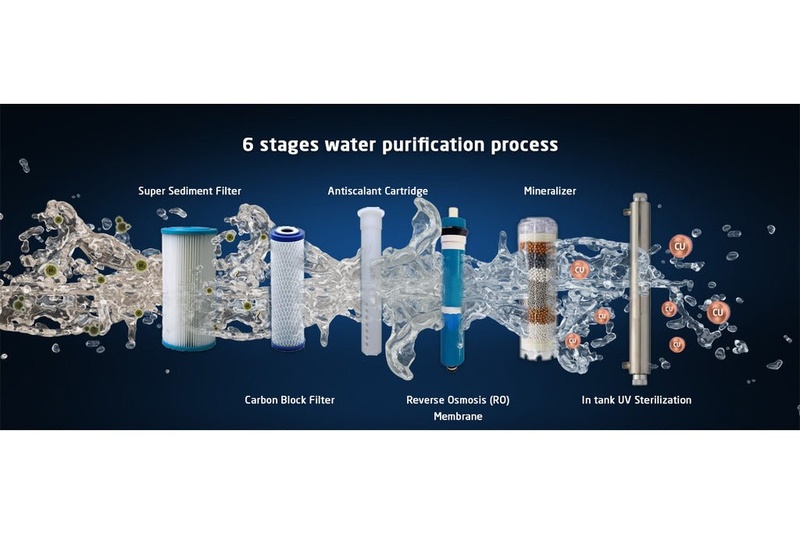
Understanding how carbon filtration compares to other technologies helps determine if it’s the right choice for your needs:
Call 888-896-7031 for Free Local HVAC Quotes – Compare and Save Today!
| Filtration Method | Strengths | Limitations | Typical Cost Range |
|---|---|---|---|
| Carbon Filtration | Removes chlorine, VOCs, improves taste | Doesn’t remove minerals, bacteria | $20-300 |
| Reverse Osmosis | Removes almost everything including minerals | Wastes water, removes beneficial minerals | $150-500 |
| UV Purification | Kills bacteria and viruses | Doesn’t remove chemicals or particles | $100-700 |
| Ceramic Filters | Removes bacteria and physical particles | Doesn’t remove chemicals or dissolved contaminants | $30-300 |
| Distillation | Removes nearly all contaminants | Energy-intensive, removes beneficial minerals | $75-500 |
Many advanced filtration systems combine carbon with other technologies to address its limitations. For example, a system might use carbon to remove chemicals and a ceramic filter or UV light to address biological contaminants.
Cost and Maintenance Considerations
The true cost of carbon filtration includes both initial purchase and ongoing maintenance:
Initial Costs
Initial investments vary widely based on system complexity:
- Pitcher filters: $20-40
- Faucet-mounted filters: $20-50
- Countertop systems: $50-300
- Under-sink systems: $100-500
- Whole-house carbon filtration: $300-1,500+
Replacement Costs
Replacement filters constitute the main ongoing expense of carbon filtration. Depending on water quality, usage volume, and filter quality, replacements may be needed every 2-12 months. Annual replacement costs typically range from $20-200.
Failure to replace filters at recommended intervals can result in diminished performance or even worse water quality than unfiltered water if bacteria colonize the exhausted filter media.
How to Choose the Right Carbon Filter
Selecting the appropriate carbon filter depends on several factors:
Know Your Water Quality
Testing your water is the essential first step before selecting any filtration system. Home test kits provide basic information, while professional laboratory testing offers comprehensive analysis. Knowing exactly what contaminants you’re targeting helps you choose appropriate filtration.
Consider Certification
Look for filters certified by reputable organizations like NSF International or the Water Quality Association. NSF/ANSI Standard 42 certifies aesthetic improvements (taste and odor), while Standard 53 certifies health-related contaminant reduction.
Evaluate Installation and Maintenance Requirements
Consider your technical abilities and willingness to perform maintenance. Some systems require professional installation, while others are simple DIY projects. Factor in the accessibility of replacement filters and the frequency of required changes.
For comprehensive protection, many households benefit from a multi-stage approach—perhaps combining a whole-house carbon filter to address chlorine with a specialized drinking water system at the point of use for additional contaminant reduction.
Tips for Getting the Best HVAC Prices
- Prioritize Quality Over Cost
The most critical factor in any HVAC project is the quality of the installation. Don’t compromise on contractor expertise just to save money. - Check for Rebates
Always research current rebates and incentives — they can significantly reduce your overall cost. - Compare Multiple Quotes
Request at least three estimates before making your choice. You can click here to get three free quotes from local professionals. These quotes include available rebates and tax credits and automatically exclude unqualified contractors. - Negotiate Smartly
Once you've chosen a contractor, use the proven strategies from our guide — How Homeowners Can Negotiate with HVAC Dealers — to get the best possible final price.