
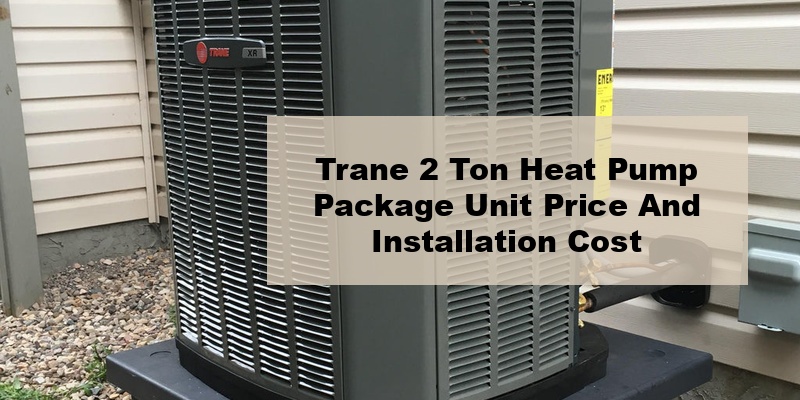
The decision to install a Trane 2 Ton Heat Pump Package Unit involves balancing upfront equipment costs with installation labor, local code requirements, and long-term energy savings. This guide breaks down typical price ranges for the unit itself, installation expenses, and factors that influence total cost. It also explains efficiency ratings like SEER and HSPF, what to expect during installation, and strategies to compare quotes from qualified contractors. With this information, homeowners can plan a cost-effective upgrade that delivers reliable heating and cooling for years to come.
Content Navigation
- What Is A Trane 2 Ton Heat Pump Package Unit?
- Trane 2 Ton Heat Pump Package Unit Price: Equipment Cost And Variations
- Installation Cost For A Trane 2 Ton Heat Pump Package Unit
- Key Factors That Influence Price And Install Time
- What The Installation Process Entails
- Warranties, Financing, And Potential Savings
- How To Compare Quotes And Find The Best Value
- Tax Credits, Rebates, And Local Incentives
- Maintenance Tips To Extend The Life Of Your Package Unit
What Is A Trane 2 Ton Heat Pump Package Unit?
A Trane 2 Ton Heat Pump Package Unit is a compact, all-in-one outdoor unit that combines the condenser, evaporator coil, and essential components in a single cabinet. The 2-ton rating translates to roughly 24,000 BTU of cooling capacity, suitable for small to mid-size homes with moderate loads. In heating mode, these units reverse refrigerant flow to provide warmth even when outdoor temperatures drop.
Key features typically found in these units include multiple staging options (single-stage, dual-stage, or variable-speed), and efficiency ratings measured as SEER (cooling) and HSPF (heating). High-efficiency models usually offer quieter operation and better energy bills, though they come with higher upfront costs. The package design eliminates the indoor air handler, simplifying some installation steps but placing greater emphasis on proper ductwork and outdoor clearances.
Choosing a Trane 2-ton model requires considering climate, home insulation, and existing ductwork. Proper sizing ensures comfort and efficiency, while too-large or too-small units can lead to comfort gaps and higher energy use. Overall, a 2-ton Trane package unit is commonly selected for smaller homes, living spaces with limited attic access, or rental properties seeking a compact, low-maintenance solution.
Trane 2 Ton Heat Pump Package Unit Price: Equipment Cost And Variations
Equipment prices for a Trane 2-ton heat pump package unit vary by efficiency tier, features, and model year. In general, the cost before installation is higher for premium efficiency and advanced control options. Typical equipment price ranges are provided below as a guideline, noting that regional differences and seasonal promotions can shift totals.
Estimated equipment price (before installation):
Call 888-896-7031 for Free Local HVAC Quotes – Compare and Save Today!
- Standard efficiency (approximately 14 SEER): $2,800–$4,200
- Mid-range efficiency (approximately 16 SEER): $3,500–$5,000
- High efficiency (18 SEER or higher): $4,500–$6,000
Note: Trane models with additional features—such as advanced communicating thermostats, variable-speed indoor components, or enhanced noise reduction—tend to fall toward the upper end of these ranges. Equipment price is only one part of the overall cost; installation, permits, and potential ductwork changes can substantially affect the final bill.
| Efficiency Tier | Approximate Equipment Price (Before Installation) |
|---|---|
| Standard (14 SEER) | $2,800–$4,200 |
| Mid-Range (16 SEER) | $3,500–$5,000 |
| High Efficiency (18 SEER+) | $4,500–$6,000 |
In addition to the equipment itself, homeowners should budget for potential add-ons such as smart thermostats, line-set quick-connectors, or optional air purification accessories, all of which can influence the total equipment cost. Regional promotions, contractor pricing, and supply chain factors can also impact the final price.
Installation Cost For A Trane 2 Ton Heat Pump Package Unit
Installation costs cover labor, electrical work, refrigerant charging, and system commissioning. A typical installation for a 2-ton Trane package unit ranges from roughly $2,000 to $4,500, depending on site conditions and local labor rates. Projects with unusual challenges—such as converting from an older system, upgrading electrical service, or extending ductwork—can push the price higher.
Common line items in the installation bill include duct preparation or sealing, mounting pad or curbing, refrigerant line sets, electrical disconnects and wiring, refrigerant charging, and system testing. Permit fees, disposal of the old equipment, and startup fees may apply in some jurisdictions. When combined with equipment costs, total installed prices commonly fall in the $5,000 to $10,000 range for a typical 2-ton Trane package unit.
For a quick reference, the following breakdown highlights typical costs involved in a standard installation:
| Installation Item | Estimated Cost | Notes |
|---|---|---|
| Labor And Permits | $1,000–$2,500 | Includes basic permit where required |
| Duct Modification Or Sealing | $500–$2,000 | Depends on ductwork condition |
| Electrical Work Or Service Upgrade | $400–$1,800 | Based on panel capacity and wiring needs |
| Line Set And Refrigerant Charging | $300–$900 | Includes refrigerant if required |
| Old Equipment Disposal | $50–$300 | Typically included by some installers |
| Contingency For Unforeseen Work | $200–$1,000 | Budget cushion recommended |
Overall installed cost range: $5,000–$10,000 is common for a standard 2-ton Trane package unit, though projects with ductwork upgrades or complex electrical work can exceed $12,000. Always obtain written quotes that itemize line items and warranty terms to compare value accurately.
Call 888-896-7031 for Free Local HVAC Quotes – Compare and Save Today!
Key Factors That Influence Price And Install Time
Price and installation duration are shaped by multiple interdependent factors. First, efficiency and feature set drive equipment costs, with higher SEER/HSPF units costing more up front but offering greater long-term energy savings. The complexity of the installation affects labor time; homes with limited access, long duct runs, or required electrical upgrades add to both time and cost. Local labor markets, permit requirements, and disposal fees also play a role.
Other important considerations include ductwork condition, existing insulation, and the need for any system zoning or smart controls. If the home lacks adequate duct performance, installers may recommend upgrades that improve efficiency and comfort but raise total costs. Finally, contractor experience and brand partnerships can influence pricing, with premium installations often including extended warranties and enhanced service agreements.
To maximize value, homeowners should prioritize proper sizing, a written proposal, and clear warranty terms. A well-executed install reduces service calls and ensures efficient operation over the unit’s life.
What The Installation Process Entails
A typical installation starts with a load calculation to confirm the correct tonnage for the home. Next, the outdoor package unit is placed on a stable pad, with a proper clearance around the unit for airflow. The refrigerant lines are routed to the indoor side or a connected air handler, and electrical connections are upgraded as needed. The system is charged with refrigerant, then tested for proper operation, including cooling and heating modes, airflow, and thermostatic control.
During commissioning, technicians verify refrigerant charge, check for leaks, calibrate the thermostat, and confirm safe electrical operation. If duct sealing or insulation upgrades are part of the project, those steps are completed before final testing. After startup, the contractor should provide maintenance guidance, warranty documentation, and a recommended service schedule to maintain efficiency and performance.
Warranties, Financing, And Potential Savings
Trane typically offers warranties that cover parts and, in some cases, compressors for a defined period, with terms varying by model and registration. Commonly, a 5-year parts warranty and a longer compressor warranty are available, with extended coverage possible through registration or promotional offers. Labor warranties may be provided by the installing contractor. Availability and specifics can vary by model and region, so buyers should confirm exact terms in writing.
Financing options from manufacturers, distributors, or installers can reduce upfront costs, making it easier to upgrade. In addition to energy savings from a higher-efficiency unit, homeowners may qualify for local rebates or utility incentives. Always compare the total cost of ownership, including maintenance and energy bills, when evaluating different financing and warranty options.
How To Compare Quotes And Find The Best Value
Effective comparison starts with a detailed, written proposal from each contractor. Ensure quotes include equipment model, SEER/HSPF ratings, tonnage, ductwork work, electrical upgrades, permits, disposal, and any warranties. Request a professional load calculation (Manual J) to validate the chosen size. Check credentials, licensing, and insurance, and ask for customer references or reviews. A lower upfront price may come with shorter equipment warranties or higher maintenance costs, so weigh long-term value and reliability.
Ask about duct sealing, air distribution checks, and post-install testing. Confirm whether the price includes a starter kit, smart thermostat, or air filtration options. Finally, compare service plans and annual maintenance costs to keep performance steady and reduce unexpected expenses later.
Tax Credits, Rebates, And Local Incentives
Federal, state, and local programs can offset part of the cost of a Trane 2 Ton Heat Pump Package Unit. Homeowners should investigate federal energy-efficiency incentives and any manufacturers’ rebates tied to higher SEER/HSPF ratings. Local utility programs often offer on-bill credits or rebates for installing efficient HVAC equipment. Availability varies by jurisdiction and may depend on project details, such as upgraded ductwork or thermostat controls. Consult a tax professional or a qualified contractor to determine eligibility and apply for applicable incentives.
Additionally, some utilities provide ongoing energy-saving programs or time-of-use rate plans that can further reduce operating costs. When comparing quotes, factor in any expected rebates and incentives to gauge true installed cost and payback period.
Maintenance Tips To Extend The Life Of Your Package Unit
Regular maintenance helps preserve efficiency and extend the life of a Trane 2-ton package unit. Schedule professional “tune-ups” annually, ideally before peak seasons. Change air filters every 1–3 months, depending on usage and indoor air quality needs. Keep outdoor coils clean and free of debris to maintain airflow and heat exchange efficiency.
Monitor refrigerant lines for frost buildup or leaks, listen for unusual noises, and ensure the condensate drain is clear. Address any performance issues promptly to avoid larger repairs. A proactive maintenance plan often reduces unexpected breakdowns and preserves warranty coverage when service is performed by an authorized technician.
Tips for Getting the Best HVAC Prices
- Prioritize Quality Over Cost
The most critical factor in any HVAC project is the quality of the installation. Don’t compromise on contractor expertise just to save money. - Check for Rebates
Always research current rebates and incentives — they can significantly reduce your overall cost. - Compare Multiple Quotes
Request at least three estimates before making your choice. You can click here to get three free quotes from local professionals. These quotes include available rebates and tax credits and automatically exclude unqualified contractors. - Negotiate Smartly
Once you've chosen a contractor, use the proven strategies from our guide — How Homeowners Can Negotiate with HVAC Dealers — to get the best possible final price.