
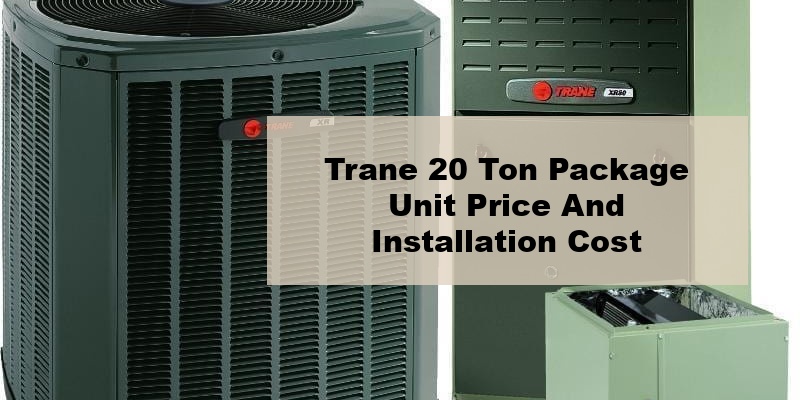
The Trane 20-Ton Packaged Unit represents a high-capacity, all-in-one heating and cooling solution designed for large commercial spaces and sizable multi-zone buildings. This article examines current price ranges for the equipment, installation costs, and the factors that influence total expenditure. It also covers energy efficiency implications, warranty options, and practical tips for obtaining accurate quotes. By understanding the components of the price, stakeholders can better plan budgets, compare bids, and make informed buying decisions for a Trane 20-Ton Package Unit.
Content Navigation
- What Is A Trane 20-Ton Packaged Unit
- Equipment Cost: Trane 20 Ton Packaged Unit Price
- Installation Cost: Factors Driving The Total Price
- Typical Installed Cost Scenarios
- Geographic Variations And Market Trends
- Energy Efficiency, Operating Costs, And Financing
- Warranty, Maintenance, And After-Sales Support
- Getting Accurate Quotes And Making The Right Choice
What Is A Trane 20-Ton Packaged Unit
A 20-ton packaged unit from Trane is a self-contained heating and cooling system that houses the compressor, condenser, evaporator, and air-handling components in a single cabinet. It is typically deployed in applications requiring robust cooling capacity, such as large retail spaces, multi-tenant commercial buildings, and mid-size industrial facilities. These units can be configured for electric or gas heat, and some models include economizers or heat recovery options to boost efficiency.
Packaged units are valued for their space efficiency and ease of installation compared with split systems, especially on rooftops or ground-level mechanical rooms. The cooling capacity of 20 tons translates to roughly 240,000 BTU per hour, making these units suitable for substantial cooling loads. Selection hinges on factors like climate, building envelope, occupancy, and the desired SEER or EER ratings that influence long-term operating costs.
Equipment Cost: Trane 20 Ton Packaged Unit Price
The price of a Trane 20-ton packaged unit varies with configuration, efficiency, and optional features. As a general guide, equipment costs typically fall within the following ranges:
- Basic configuration (standard efficiency, electric heating, standard controls): $18,000–$26,000 per unit.
- Mid-range configurations (improved SEER, enhanced controls, optional economizer): $26,000–$34,000 per unit.
- Premium configurations (high-efficiency SEER, gas or dual-fuel heating, advanced controls, extended warranty options): $34,000–$46,000+ per unit.
Equipment price is influenced by efficiency metrics such as SEER, EER, and IPLV, as well as by factors like heat type, economizers, refrigerant circuits, and warranty packages. AHRI-certified units ensure performance matches stated ratings, which is essential when comparing bids. On a per-ton basis, larger packaged units often show higher absolute costs but can achieve meaningful energy savings over time with better efficiency and controls.
Installation Cost: Factors Driving The Total Price
Installation costs for a Trane 20-ton packaged unit are driven by site conditions, code requirements, and the complexity of integration with existing building systems. Several key factors commonly affect the total installed price:
Call 888-896-7031 for Free Local HVAC Quotes – Compare and Save Today!
- Site access and mounting location (rooftop vs. ground-level, ease of crane use, structural reinforcement needs).
- Ductwork and distribution (new ducting, runs, and sealing impact overall labor and materials).
- Electrical service upgrades (panel capacity, breakers, wiring, and disconnects).
- Permitting and inspections (local codes and utility approvals can add time and cost).
- Refrigerant piping, insulation, and leakage checks (proper routing minimizes future service calls).
- Controls integration (gas/electric heat coordination, building automation compatibility, wireless controllers).
- Labor rates by region (urban areas typically have higher labor costs and scheduling demand).
- Structural and interface work (curbs, curbing, stand-offs, and vibration isolation impact installation complexity).
In addition to these factors, the choice of heat source (electric vs. gas), presence of a economizer, and any after-sales service contracts influence the total installation cost. Proper site assessment and accurate load calculations help ensure bids reflect realistic scopes and prevent surprise expenses during commissioning.
Typical Installed Cost Scenarios
To help visualize potential budgeting outcomes, the table below outlines three common scenarios for a Trane 20-ton packaged unit installation. All figures are approximate ranges in U.S. dollars and assume commercial-grade installation without unusual structural challenges.
| Scenario | Equipment Cost | Installation Cost | Total Installed Cost |
|---|---|---|---|
| Basic Configuration | $18,000–$26,000 | $20,000–$40,000 | $38,000–$66,000 |
| Mid-Range Configuration | $26,000–$34,000 | $28,000–$60,000 | $54,000–$94,000 |
| Premium Configuration | $34,000–$46,000 | $40,000–$70,000 | $74,000–$116,000 |
These ranges illustrate how efficiency, heating options, and site requirements shape the total price. The most accurate estimate emerges from a detailed on-site assessment, AHRI-rated performance data, and a formal bid that itemizes equipment, installation, and any ancillary costs.
Geographic Variations And Market Trends
Location affects pricing through labor costs, permitting processes, and climate-driven sizing needs. West Coast and Northeast regions tend to have higher labor rates and stricter code requirements, which can push installation costs upward. In contrast, rural areas with fewer regulatory hurdles may present lower labor charges but longer lead times due to demand. Market trends show rising interest in high-efficiency models and advanced controls, which can raise upfront costs but reduce energy consumption over the unit’s lifecycle. Buyers should consider regional energy incentives and utility programs when evaluating total cost of ownership.
Seasonality also matters. During peak construction seasons, labor availability may affect bid timing and price. Conversely, off-season projects can yield more favorable scheduling and potential discounts from qualified contractors. A comprehensive comparison should account for regional variations alongside the unit’s performance specifications.
Energy Efficiency, Operating Costs, And Financing
Energy efficiency influences ongoing operating costs far more than initial expenditure for large packaged units. Higher SEER ratings, efficient compressors, and optimized controls lower electricity use during peak cooling days. For a 20-ton unit, selecting a higher-efficiency model can substantially reduce annual energy bills in hot climates where cooling dominates energy consumption.
Call 888-896-7031 for Free Local HVAC Quotes – Compare and Save Today!
Estimated operating costs depend on climate, usage, and electricity prices. A typical 20-ton unit in a moderate climate may incur annual cooling costs ranging from a few thousand dollars to over ten thousand dollars if cooling is continuous. In hotter regions or facilities with high occupancy, operating costs increase correspondingly. Financial considerations include potential utility rebates, tax incentives, and financing options offered by manufacturers or contractors to ease upfront expenditure.
Warranty, Maintenance, And After-Sales Support
Warranty terms for Trane packaged units usually include baseline coverage for compressors and parts, with optional extended warranties available through the manufacturer or authorized dealers. Typical configurations offer a multi-year compressor warranty and a separate parts warranty, often with a recommended maintenance plan. Maintenance activities such as filter changes, coil cleaning, refrigerant checks, and belt/tension inspections help preserve efficiency and prevent unexpected downtime. Service agreements can provide predictable budgeting and priority dispatch for critical facilities.
Choosing a maintenance plan aligned with usage patterns and building criticality helps protect the investment. It is also important to verify that the contractor provides ongoing training, genuine replacement parts, and access to Trane’s support resources for troubleshooting and system optimization.
Getting Accurate Quotes And Making The Right Choice
To obtain precise pricing for a Trane 20-Ton Packaged Unit, one or more formal site assessments are essential. The process typically involves: on-site load calculations, equipment matching with AHRI ratings, ductwork and structural assessments, and a review of control and integration requirements. Prospective buyers should request itemized bids that differentiate equipment, installation, and ancillary costs, and verify that all quotes include necessary permits and inspections.
When evaluating bids, compare equipment efficiency, installation scope, warranty terms, and post-installation support. It is prudent to check references, confirm the contractor’s certification, and ensure the installation plan aligns with building codes and energy codes. Acquiring bids from multiple Trane-authorized dealers helps secure competitive pricing and quality workmanship.
In summary, the Trane 20-Ton Packaged Unit price largely depends on configuration and efficiency choices, while installation costs hinge on site specifics and labor market conditions. A thorough, bid-by-bid comparison that accounts for energy performance and long-term maintenance will inform the most cost-effective decision for large-scale cooling needs.
Tips for Getting the Best HVAC Prices
- Prioritize Quality Over Cost
The most critical factor in any HVAC project is the quality of the installation. Don’t compromise on contractor expertise just to save money. - Check for Rebates
Always research current rebates and incentives — they can significantly reduce your overall cost. - Compare Multiple Quotes
Request at least three estimates before making your choice. You can click here to get three free quotes from local professionals. These quotes include available rebates and tax credits and automatically exclude unqualified contractors. - Negotiate Smartly
Once you've chosen a contractor, use the proven strategies from our guide — How Homeowners Can Negotiate with HVAC Dealers — to get the best possible final price.