
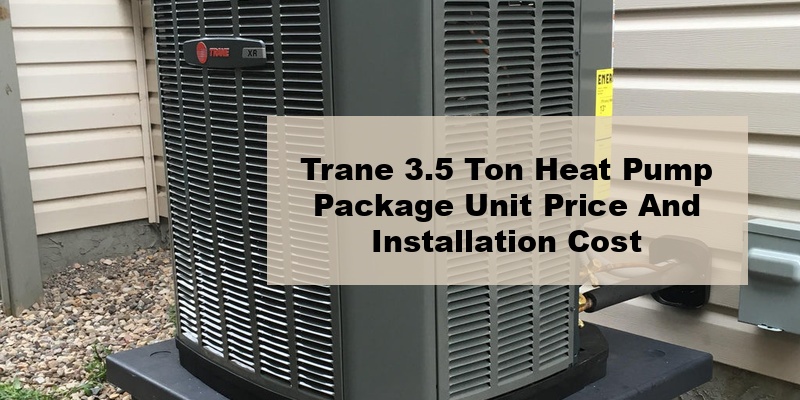
Choosing a heating and cooling system is a major home improvement decision. For homeowners evaluating a Trane 3.5 ton heat pump package unit, cost includes both the equipment price and the installation investment. This guide outlines the typical price range for the unit itself and the factors that influence installation costs in the United States, along with tips to maximize efficiency and value. The goal is to help readers understand what drives price, what to expect during installation, and how to compare contractor quotes for a Trane 3.5 ton heat pump package unit.
Content Navigation
- Price Range For The Trane 3.5 Ton Heat Pump Package Unit
- Installation Costs: Factors That Influence Total Price
- Installation Costs: A Closer Look At Ductwork And Preparation
- Electrical Requirements And Permits
- Regional Variations And Labor Costs
- Financing, Warranties And Rebates
- Choosing The Right Model: Efficiency, Features, And Longevity
- Maintenance Costs And Longevity
- How To Get Accurate Quotes
Price Range For The Trane 3.5 Ton Heat Pump Package Unit
The Trane 3.5 ton heat pump package unit carries a price range that varies with efficiency, features, and model lineage. In general, unit prices can span from roughly $4,000 to $9,000 for a complete 3.5 ton package unit. Entry-level packages with basic cooling and heating capability typically fall in the $4,000–$5,500 range. Mid-range packages offering higher SEER (seasonal energy efficiency ratio) and better performance generally run $5,500–$7,000. Premium, high-efficiency, or variable-speed packages can reach $7,000–$9,000 or more. Regional promotions and dealer pricing can further influence these figures.
When evaluating a quote, buyers should distinguish between the unit price and what is included in the package. Some dealers price a complete outdoor unit with an integrated air handler, coil, and refrigerant connections as a single package, while others separate components or offer optional add-ons such as advanced thermostats or extended warranties. For a Trane 3.5 ton heat pump package unit, expect price quotes to emphasize SEER, performance stage (single, two-stage, or variable-speed), and noise reduction features, all of which affect the total cost.
Prospective buyers should also consider the potential for rebates or promotions that reduce the effective price. While these incentives vary by region and utility, many programs offer credits or rebates for upgrading to higher-efficiency heat pumps. Reading product data sheets and model-specific brochures helps clarify whether a given unit includes features that qualify for incentives, and which models deliver the best value over the life of the system.
Installation Costs: Factors That Influence Total Price
Installation costs for a Trane 3.5 ton heat pump package unit can significantly affect the overall project price. The total installed cost typically includes the unit, labor, and any ancillary work required to make the system operational and compliant with local codes. Common factors influencing installation costs include ductwork condition, existing electrical service, refrigerant line modifications, and site accessibility. Homeowners should expect a broad range for installed costs, with most projects landing in the mid to upper end of the spectrum depending on circumstances.
Typical ranges for installed costs are often cited as follows: the equipment package itself may be $4,000–$9,000, while professional installation generally runs $4,000–$6,000 in standard homes. In total, a fully installed Trane 3.5 ton heat pump package unit often falls in the $8,000–$15,000 range. This split reflects the variability in ductwork work, electrical upgrades, permits, and potential site prep. In some cases with minimal duct changes and ready electrical, total costs approach the lower end; in others with extensive duct modifications or required electrical service upgrades, totals push higher.
Call 888-896-7031 for Free Local HVAC Quotes – Compare and Save Today!
Contractors frequently itemize the installation into several components: labor for unit placement and connections, ductwork modifications or sealing, electrical work and a dedicated circuit, refrigerant piping and inspection, thermostat integration, permit fees, and any necessary retrofits to the air distribution system. Homeowners should request a detailed, line-item estimate to understand where costs arise and to compare apples-to-apples across bids.
Urban and high-cost regions, seasonal demand, and contractor availability can shift prices. For example, markets with a tight labor pool or higher material costs may show elevated installation numbers. Conversely, regions with competitive HVAC markets may see more favorable installation pricing. Budget-conscious buyers should explore bundled warranties or maintenance plans that reduce long-term costs while ensuring system reliability.
Installation Costs: A Closer Look At Ductwork And Preparation
One of the most common drivers of installation cost is the condition and size of existing ductwork. If the current duct system is undersized for a 3.5 ton heat pump package unit, or if ducts are leaky or poorly sealed, contractors may need to perform sealing, insulation, or replacement. Proper duct sizing ensures the system delivers the intended efficiency and comfort. Homeowners should expect additional charges for ductwork alterations beyond basic sealing.
Other preparation work can include removing an old system, coordinating with permitting authorities, and ensuring proper drainage and condensate management. If a retrofit involves relocating the indoor air handler or modifying the outdoor unit pad, these tasks add time and materials to the project. While some installations are straightforward, many require a thorough assessment of air flow, duct leakage, and system zoning to avoid future issues. A well-prepared job minimizes call-backs and supports longer system life.
Electrical Requirements And Permits
Most Trane 3.5 ton heat pump package units require a dedicated electrical circuit, typically 240V, with a breaker sized to meet the unit’s starting and running current. A common setup is a 60-amp circuit, but this varies by model and local electrical codes. Replacing or upgrading the service panel can add to both cost and time. Licensed electricians are usually required for this work, and permit fees may apply. Expect electrical labor to account for a meaningful portion of the installation cost, especially in homes lacking adequate wiring.
Plan for potential electrical improvements early in the process. Electric work may involve new conduit, wiring runs, and a safe, up-to-code disconnect nearby the unit. Some jurisdictions require an inspection after electrical work is completed; fees for inspections are typically modest but important for compliance.
Call 888-896-7031 for Free Local HVAC Quotes – Compare and Save Today!
Regional Variations And Labor Costs
HVAC labor rates vary by region due to cost of living, climate, and demand. In warm climates where heat pumps are in high use, installation prices may be higher due to scheduling pressures and demand. Conversely, regions with cooler climates or more competition among installers may offer more favorable pricing. Remote or rural areas can show lower labor rates but longer travel and logistics costs. When evaluating bids, homeowners should consider both the unit’s efficiency and the installer’s experience with Trane products in their climate.
In addition to regional labor differences, local permitting, rooftop clearance, and site accessibility can affect price. A straightforward installation on a slab with easy access might be cheaper than a complex job requiring crane access, structural work, or significant site preparation. Homeowners should ask installers to explain how regional factors impact their quotes and to provide a realistic schedule.
Financing, Warranties And Rebates
Financing options are commonly available through HVAC contractors, manufacturers, and third-party lenders. A well-chosen financing plan helps manage the upfront investment while preserving cash flow for other home improvements. Warranties for Trane packages typically cover the compressor for an extended period and other parts for a standard term, with variations by model and installation. Homeowners should confirm what the warranty includes, the duration, and any labor coverage.
Rebates and incentives can reduce the net cost. Utility-sponsored rebates, manufacturer promotions, and energy-efficiency incentives may apply to a Trane 3.5 ton heat pump package unit. Availability varies by location and program timing. Prospective buyers should gather model numbers, SEER/HSPF ratings, and installation details to verify eligibility for any rebates or credits. Local utility programs are a good starting point for up-to-date information.
Choosing The Right Model: Efficiency, Features, And Longevity
Choosing the right Trane 3.5 ton heat pump package unit requires balancing efficiency, performance, and budget. Key metrics include SEER (cooling efficiency) and HSPF (heating efficiency); higher values generally mean lower operating costs over time, though upfront price rises with higher efficiency. Typical modern package units offer single-stage, two-stage, or variable-speed compressors. Variable-speed models provide smoother operation and better humidity control, often at a premium.
Noise reduction, refrigerant type, and compatibility with smart thermostats also influence value. For homeowners in milder climates, a baseline SEER around 14–16 may be adequate, while those in extreme heat or cold benefit from higher SEER and HSPF ratings. Trane emphasizes reliable performance, paired with durable components and a robust warranty. When comparing models, request detailed product sheets that show performance at different outdoor temperatures and expected energy use.
To maximize long-term value, couple a high-efficiency unit with quality ductwork, proper installation, and a smart thermostat. Correct sizing through a Manual J calculation is essential to avoid oversizing or undersizing, both of which undermine comfort and efficiency. A well-matched system tends to deliver the most favorable total cost of ownership over the equipment life.
Maintenance Costs And Longevity
Routine maintenance helps protect a Trane 3.5 ton heat pump package unit’s performance and lifespan. Annual or biannual professional checkups typically cover refrigerant levels, electrical connections, and thermostat calibration, along with airflow and duct integrity assessments. Routine filter changes and coil cleaning contribute to efficiency and comfort.
With proper care, a quality heat pump package unit commonly lasts about 12–15 years, though actual longevity depends on usage, maintenance, and climate. Proactive maintenance plans from manufacturers or dealers can reduce unexpected repairs and help retain efficiency. Homeowners should budget for inspections and potential coil or compressor service during the unit’s life cycle.
How To Get Accurate Quotes
To obtain accurate quotes for a Trane 3.5 ton heat pump package unit, homeowners should pursue a structured comparison process. Start with at least three reputable HVAC contractors who have experience with Trane products in the local climate. Request a detailed, written proposal that includes equipment description, SEER/HSPF ratings, a breakdown of line-item costs, and the scope of ductwork and electrical work.
Ask for a site visit and a Manual J load calculation to verify proper sizing. Review each proposal for inclusions such as permits, refrigerant, thermostat integration, and startup checks. Confirm warranty terms and what is covered by labor, as well as any offered maintenance plans. Finally, check references and confirm the contractor’s licensing and insurance status before signing.
Tips for Getting the Best HVAC Prices
- Prioritize Quality Over Cost
The most critical factor in any HVAC project is the quality of the installation. Don’t compromise on contractor expertise just to save money. - Check for Rebates
Always research current rebates and incentives — they can significantly reduce your overall cost. - Compare Multiple Quotes
Request at least three estimates before making your choice. You can click here to get three free quotes from local professionals. These quotes include available rebates and tax credits and automatically exclude unqualified contractors. - Negotiate Smartly
Once you've chosen a contractor, use the proven strategies from our guide — How Homeowners Can Negotiate with HVAC Dealers — to get the best possible final price.