
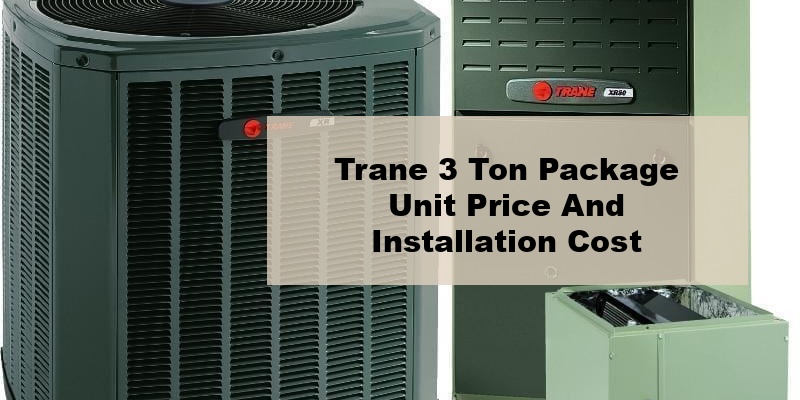
The decision to install a Trane 3 Ton Package Unit involves weighing the upfront price of the unit against the installation cost, plus ongoing energy and maintenance expenses. A packaged unit combines heating and cooling in a single outdoor cabinet, making it a compact option for homes with limited indoor space or simple duct layouts. Prices vary with configuration, efficiency, and regional labor rates. This article explains typical price ranges for the Trane 3 ton packaged unit and installation in the United States, the factors that influence those costs, and practical guidance for budgeting and hiring a contractor.
Content Navigation
- What Is A Trane 3 Ton Package Unit
- Pricing Range: Unit And Installation Costs
- What Affects The Price
- Installation Process And Timeline
- Cost Breakdown: What You Pay For
- Energy Efficiency, Rebates, And Long-Term Savings
- Choosing The Right Contractor
- Common Models And Features In Trane 3 Ton Packaged Units
- Frequently Asked Questions
What Is A Trane 3 Ton Package Unit
A Trane 3 Ton Package Unit is a compact, all-in-one outdoor system that provides both heating and cooling for a residence. In a packaged setup, the air conditioner compressor, heat exchanger, and, depending on the model, a gas furnace or electric heating elements are housed in a single cabinet. This design is well-suited for homes with limited interior space, basements with restricted footprint, or areas where a traditional split-system would be impractical. Trane packages come in various configurations, including electric-only cooling, gas-forced-air heating, and heat pump variants that reverse refrigerant flow for heating and cooling. Efficiency is indicated by SEER (Seasonal Energy Efficiency Ratio) and HSPF (Heating Seasonal Performance Factor) ratings, with newer models typically offering higher efficiency and potential energy savings.
Key factors that influence the choice include climate, ductwork condition, and existing indoor air quality needs. A properly sized and installed 3-ton package unit will maintain comfortable indoor temperatures while minimizing energy waste. Homeowners should expect a professional to perform a load calculation, verify duct integrity, and ensure correct refrigerant charge and airflow after installation.
Pricing Range: Unit And Installation Costs
Price ranges for a Trane 3 ton packaged unit and its installation vary widely by region, configuration, and contractor. Typical estimates observed in the U.S. place the unit price between $3,500 and $6,000. Installation labor commonly ranges from $2,500 to $5,000, depending on site conditions and required modifications. When combined, the total project cost generally falls between $6,000 and $11,000, though special circumstances can push the total higher or lower. It is important to obtain multiple quotes that itemize the unit, labor, and any ancillary work to avoid sticker shock later on.
Prices can differ based on configuration. A basic electric-only packaged unit will generally be cheaper than a gas-electric model or a heat pump variant, which may have higher component costs and more complex installation requirements. Additionally, newer models with higher SEER ratings or advanced features (such as variable-speed blowers or smart thermostat compatibility) may carry a premium but offer greater long-term savings.
What Affects The Price
The total cost of a Trane 3 Ton Package Unit is influenced by several interrelated factors. Understanding these helps homeowners anticipate the final invoice and identify opportunities for savings.
Call 888-896-7031 for Free Local HVAC Quotes – Compare and Save Today!
- Efficiency and performance ratings: Higher SEER and HSPF values typically cost more upfront but reduce energy consumption and operating costs over time.
- Heating configuration: Gas-electric packages or heat-pump configurations add costs for components like a gas furnace or electric resistance elements and related controls.
- Ductwork and ventilation: Existing ductwork in good condition minimizes added expenses, while duct modifications or new runs increase both material and labor costs.
- Installation complexity: Tight crawl spaces, sloped roofs, or difficult access raise labor time and risk, driving up price.
- Old system removal and cleanup: Removing and disposing of a legacy unit, refrigerant recovery, and site cleanup add to the total.
- Permits and codes: Local permit fees and code-compliance requirements can influence cost, especially in regions with strict HVAC installation standards.
- Warranty and service plans: Longer or more comprehensive warranties and maintenance packages add value but increase upfront cost.
- Rebates and incentives availability: Utility rebates, state programs, and federal tax incentives can reduce net cost, depending on eligibility and timing.
Tip: Request quotes that break down line items for unit price, installation labor, ductwork, electrical work, refrigerant piping, and disposal. This transparency makes it easier to compare bids and identify any optional upgrades you may want to include.
Installation Process And Timeline
Installing a Trane 3 Ton Package Unit typically involves several coordinated steps to ensure safe, efficient operation. A typical project timeline ranges from a single day for a straightforward replacement to one to two weeks if substantial ductwork or structural work is required.
Initial steps include site assessment, load calculations, and system design confirmation. The next phase covers removing the old unit, preparing the mounting pad or roof curb, and making space for the new package unit. Electrical disconnects and connections, refrigerant line runs, and condensate drainage are completed with attention to local codes and safety standards. Ductwork adjustments may be needed to ensure proper air distribution and to avoid pressure losses. A thorough system start-up test verifies pressures, airflow, temperature differentials, and thermostat integration. Finally, homeowners receive guidance on thermostat programming and maintenance schedules.
Operational considerations include ensuring adequate clearance around the outdoor unit for service access, verifying that the installation site remains level, and confirming proper venting and drainage. Depending on the climate and usage, a professional may recommend sealing duct joints and balancing airflow to maximize comfort and efficiency.
Cost Breakdown: What You Pay For
Understanding the cost components helps homeowners budget accurately and avoid surprise charges. Below is a practical breakdown based on typical market conditions for a Trane 3 Ton Package Unit installation.
| Cost Category | Typical Range | Notes |
|---|---|---|
| Trane 3 Ton Packaged Unit | $3,500–$6,000 | Gas-electric or electric-only configurations vary in price |
| Installation Labor | $2,500–$5,000 | Labor varies with site access and ductwork needs |
| Ductwork Modifications | $500–$3,000 | Includes sealing, repairs, and new runs if needed |
| Electrical Work | $300–$1,000 | Breaker, wiring, and electrical panel considerations |
| Refrigerant Lines and Materials | $200–$1,000 | Includes piping, insulation, and charges |
| Old Equipment Removal & Disposal | $100–$500 | disposal fees may apply |
| Permits and Inspections | $100–$600 | Varies by locality |
| Optional Upgrades | $100–$800 | Smart thermostat, air quality add-ons, filtration |
Typical total project cost range: $6,000 to $11,000, with higher-end configurations and complex installations potentially exceeding this range. Always confirm a formal written estimate with itemized line items before proceeding.
Call 888-896-7031 for Free Local HVAC Quotes – Compare and Save Today!
Energy Efficiency, Rebates, And Long-Term Savings
Choosing a higher-efficiency Trane 3 Ton Package Unit can deliver meaningful energy savings, especially in hotter climates or homes with older, leaky ductwork. A unit with a higher SEER rating reduces cooling energy use, while an efficient heating configuration minimizes winter energy consumption. The lifetime savings depend on local electricity prices, gas costs (if applicable), climate, and how well the system is installed and maintained.
Federal, state, and utility incentives frequently apply to high-efficiency HVAC equipment. In some regions, rebates or tax credits help offset part of the upfront cost. Availability and amounts fluctuate with policy changes and program budgets. Utilities often run additional promotions for customers who upgrade to high-efficiency systems, and many programs require a qualifying SEER threshold. Homeowners should consult the DSIRE website or their local utility for current offers and eligibility criteria. Maintenance, including annual filter changes and periodic professional service, keeps efficiency high and reduces the risk of unexpected repairs.
From a long-term perspective, payment for a more efficient unit often pays back through lower monthly bills, improved comfort, and better indoor air quality. A homeowner should consider not only the sticker price but the combined value of energy savings, warranty coverage, reliability, and service availability when evaluating a purchase.
Choosing The Right Contractor
Selecting a qualified contractor is as important as choosing the right unit. A well-executed installation ensures safety, performance, and longevity. When evaluating bidders, consider the following.
- Licensing and insurance: Verify current licenses and proof of liability and workers’ compensation coverage. Request references and follow up with recent customers.
- Assessment and load calculation: Ask whether the contractor uses Manual J load calculations to determine the correct size for the home and whether a Manual D duct design is used for airflow balancing.
- Permits and inspections: Ensure the contractor handles permits and pre-installation inspections as required by local codes.
- Warranty and service plans: Compare warranty terms on the unit and on installation quality. Understand what is covered and for how long.
- Transparent quotes: Obtain written quotes with itemized costs for the unit, labor, duct work, electrical, permits, and disposal. Ask for unit model numbers and efficiency ratings.
- Schedule and communication: Confirm installation windows, project milestones, and how issues will be communicated during the process.
Homeowners should also ensure the contractor emphasizes proper ventilation, indoor air quality considerations, and post-installation testing. A good installer will perform a thorough performance check, confirm thermostat compatibility, and provide clear guidance on maintenance schedules and filter replacements.
Common Models And Features In Trane 3 Ton Packaged Units
Trane offers a range of 3-ton packaged units with different configurations and features. When evaluating options, look for configurations that align with climate, fuel availability, and energy goals. Key features to consider include:
- One- or two-stage operation: Two-stage or variable-speed models can improve comfort by delivering more consistent temperatures and reducing cycling, though they may cost more upfront.
- Heating option: Gas, electric, or heat pump configurations provide flexibility based on climate and energy costs.
- SEER/SCOP ratings: Higher ratings indicate greater efficiency. Compare units within the same size class for an apples-to-apples assessment.
- Smart thermostat compatibility: Many Trane packages work well with modern smart thermostats for improved control and energy insights.
- Air quality features: Optional integrated filtration, humidity control, and purification accessories can enhance indoor air quality.
Model naming in Trane’s catalog can vary by region and configuration. Prospective buyers should confirm the exact specifications, warranty terms, and service availability for the chosen unit with the installing contractor and the local Trane distributor.
Frequently Asked Questions
Q: Is a Trane 3 Ton Package Unit suitable for my home? A: Suitability depends on the home size, ductwork condition, climate, and existing infrastructure. A professional load calculation helps determine the appropriate system size and configuration.
Q: How long does installation take? A: Replacement installs often take 1–3 days, while more complex projects with duct changes may take longer, up to a couple of weeks in some cases.
Q: Are there rebates or tax credits? A: Incentives vary by region and program. Check with local utilities and the DSIRE database to identify current offers and eligibility requirements.
Q: What maintenance is required after installation? A: Routine maintenance includes annual professional service, filter replacements, coil cleaning, and inspecting electrical connections and refrigerant levels.
Tips for Getting the Best HVAC Prices
- Prioritize Quality Over Cost
The most critical factor in any HVAC project is the quality of the installation. Don’t compromise on contractor expertise just to save money. - Check for Rebates
Always research current rebates and incentives — they can significantly reduce your overall cost. - Compare Multiple Quotes
Request at least three estimates before making your choice. You can click here to get three free quotes from local professionals. These quotes include available rebates and tax credits and automatically exclude unqualified contractors. - Negotiate Smartly
Once you've chosen a contractor, use the proven strategies from our guide — How Homeowners Can Negotiate with HVAC Dealers — to get the best possible final price.