
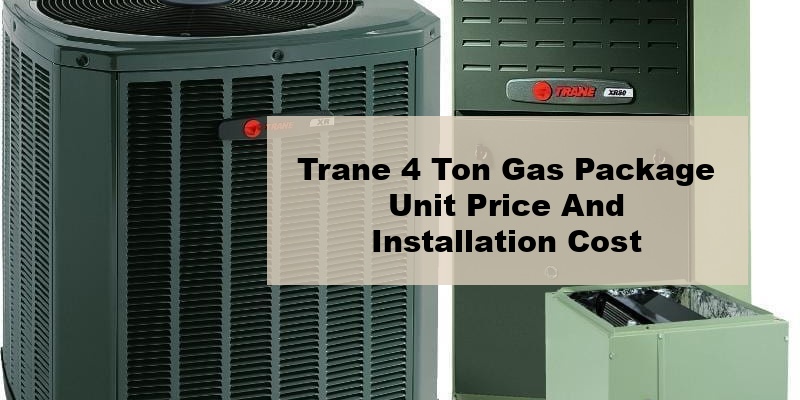
The combination of heating and cooling in a single outdoor cabinet, a Trane four-ton gas package unit appeals to homes needing midrange cooling and efficient gas heating without separate indoor equipment. This article breaks down the components, cost ranges, and practical considerations for U.S. homeowners evaluating the price and installation cost of a Trane four-ton gas package unit. It covers unit pricing, installation factors, energy efficiency, warranties, and buying tips to help readers obtain accurate quotes and plan a smart upgrade.
Content Navigation
- Overview Of Trane Four-Ton Gas Package Units
- What Is A Gas Package Unit And Why It Matters For Four-Ton Capacity
- Typical Pricing Range For Trane Four-Ton Gas Package Units
- Installation Costs: Labor, Permits, And Access
- Factors That Influence Price And Installation Costs
- Comparing Models: Popular Trane Four-Ton Gas Package Models
- Energy Efficiency And Operating Costs
- Warranty And Service Considerations
- Buying Tips: How To Get Accurate Quotes
- Maintenance And Longevity
- Common Mistakes And How To Avoid Them
- Financing Options And Rebates
- Summary And Practical Takeaways
Overview Of Trane Four-Ton Gas Package Units
Trane four-ton gas package units are outdoor, all-in-one systems combining a gas furnace and air conditioner in a single cabinet. They are sized to handle roughly 48,000 BTU of cooling capacity and heating needs appropriate for many mid-sized homes. Key advantages include a compact footprint, simplified installation compared with separate furnace and AC systems, and streamlined service access. Varieties range from standard-efficiency models to high-efficiency configurations featuring advanced controls and quieter operation for comfortable year-round performance.
These units typically integrate multiple components in one enclosure, such as a gas burner, heat exchanger, condenser coil, evaporator coil, blower, and compressor. Depending on the model, features may include multi-speed or variable-speed blowers, electronically commutated motor (ECM) fans, and installed controls that coordinate with other Trane components. When evaluating price and installation cost, homeowners should consider efficiency ratings, noise levels, and compatibility with existing ductwork and electrical service.
What Is A Gas Package Unit And Why It Matters For Four-Ton Capacity
A gas package unit is designed to deliver both heating and cooling from a single outdoor cabinet connected to indoor ductwork. For a four-ton size, the unit provides roughly 48,000 BTU of cooling capacity and a sequenced gas-fueled heat source for winter climate needs. A key metric is the AFUE (annual fuel utilization efficiency) rating, which indicates how efficiently the unit converts natural gas into usable heat. Higher AFUE often means lower fuel costs but higher upfront prices. Correct tonnage is critical; a Manual J load calculation confirms whether four tons are appropriate for the home.
Choosing the right capacity affects energy bills, humidity control, cycle times, and equipment longevity. Oversized units cycle on and off more frequently, reducing efficiency and comfort. Undersized units strain to meet demand, increasing wear and potentially shortening life. A professional HVAC contractor should assess insulation, window efficiency, shading, and duct leakage while evaluating whether a four-ton gas package unit meets the home’s heating and cooling needs.
Typical Pricing Range For Trane Four-Ton Gas Package Units
Prices vary by model, efficiency level, and whether the unit is purchased with or without professional installation. In general, the cost for a Trane four-ton gas package unit before installation ranges from about $3,500 to $6,000 for standard or mid-range efficiency models. High-efficiency four-ton units with premium features can exceed $6,000 for the unit alone. It is common for the total installed price to fall between $7,000 and $12,000, depending on complexity, location, and ductwork needs. These ranges provide a practical framework but may vary by dealer, year, and regional labor markets.
Call 888-896-7031 for Free Local HVAC Quotes – Compare and Save Today!
Homeowners should request formal quotes that break out the unit price, installation labor, permits, refrigerant line sets, condensate drainage, and any required duct modifications. When comparing bids, consider the total installed cost rather than the unit price alone, and factor in potential energy savings from higher efficiency ratings over the system’s life span. Some dealers include maintenance plans or extended warranties in the package, which can affect overall cost and value.
Installation Costs: Labor, Permits, And Access
Installation costs for a Trane four-ton gas package unit cover labor, materials, and project-based expenses. Labor is the largest variable piece, influenced by contractor rates, the job’s complexity, and the time needed to remove the old equipment and install the new unit. Typical labor can range from $2,000 to $5,000 or more, depending on whether ductwork corrections, gas line upgrades, electrical service enhancements, and refrigerant line work are required. Permits may add hundreds of dollars, depending on local building codes and jurisdiction.
Access to the outdoor unit is a practical factor. Limited clearance, uneven ground, stairs, or multi-story rooftops can complicate installation and raise costs. If the existing ductwork is leaky or incorrectly sized, sealing and balancing may be necessary to achieve optimal performance, further increasing the installation bill. Homeowners should anticipate a multi-day project for a full replacement, especially when upgrades or retrofits accompany the unit installation.
Factors That Influence Price And Installation Costs
- Ductwork Condition: Leaks, poor insulation, or mismatched duct sizes can require sealing, resealing, or resizing, adding both material and labor costs.
- Gas Line And Electrical Upgrades: Adequate gas pressure and electrical service (voltage, circuit breakers, and wiring) are essential; upgrades raise both material and labor expenses.
- Condenser Pad, Clearance, And Access: Site requirements, including level pad, drainage considerations, and unobstructed airflow clearance, influence installation time and cost.
- Existing Thermostat And Controls: Adapting to wired or wireless controls and compatibility with smart thermostats can affect setup complexity and price.
- Permit And Inspection Fees: Local codes may mandate permits, inspections, and venting compliance, which impact total cost.
- Geographic Variations: Labor rates and material prices differ across metropolitan areas and regions, influencing final installed cost.
Comparing Models: Popular Trane Four-Ton Gas Package Models
Trane offers a spectrum of four-ton gas package configurations, balancing efficiency, noise, and features. While model numbers vary by year and market, typical configurations include standard-efficiency units with durable metal cabinets, plus high-efficiency variants featuring variable-speed blowers and advanced control boards. When evaluating options, buyers should compare AFUE ratings, sound levels measured in decibels, and the presence of a variable-speed blower, which can improve comfort and energy use. Dealers can present a side-by-side comparison of features, warranty terms, and expected annual operating costs for different configurations.
Because model availability changes with production cycles and regional inventories, it is best to consult a Trane dealer for current four-ton gas package offerings. A qualified installer can recommend the most appropriate model based on the home’s load calculations, duct integrity, and existing gas and electrical service, ensuring the selected unit aligns with both performance goals and budget.
Energy Efficiency And Operating Costs
Energy efficiency in a Trane four-ton gas package unit is primarily driven by the AFUE rating and the efficiency of the integrated blower. Higher AFUE translates to less fuel usage for the same heating output, especially during cold months. In cooling, the efficiency of the condenser and the refrigerant circuit affects electricity consumption. In practice, a higher-efficiency four-ton unit can reduce annual energy costs, but the savings depend on local climate, gas and electricity prices, and usage patterns. For homes with long heating seasons, the fuel savings often offset the higher upfront cost over time.
Call 888-896-7031 for Free Local HVAC Quotes – Compare and Save Today!
To aid decision-making, a simple comparison can help. A standard-efficiency four-ton unit with AFUE around 80-85% may have lower upfront costs but higher annual fuel consumption. A high-efficiency model with AFUE around 90-95% typically costs more initially but can yield noticeable savings over the system’s life. For homeowners, the key is balancing upfront price with projected operating costs, climate, and utility rates.
| Aspect | Standard Efficiency | High Efficiency |
|---|---|---|
| AFUE Range | ~80%–85% | ~90%–95% |
| Annual Operating Cost (Heating) | Higher | Lower |
| Installed Unit Price | Lower | Higher |
| Energy Savings Potential | Moderate | Significant |
Warranty And Service Considerations
Warranty coverage for Trane four-ton gas package units typically includes a limited parts warranty and a compressor warranty, with durations that vary by model and registration. Common terms offer ten years on many major components and a separate warranty on the compressor for similar periods. Some models may extend coverage with a maintenance plan or extended warranty option. Proper registration, regular professional maintenance, and adherence to installation guidelines are usually required to keep warranty protection in force.
Service quality matters just as much as the base warranty. Choosing a qualified, factory-trained installer with local service availability helps ensure correct setup, performance, and longevity. Homeowners should confirm what is covered under warranty, what activities void it, and whether routine maintenance inspections are included in a service agreement.
Buying Tips: How To Get Accurate Quotes
Getting precise quotes for a Trane four-ton gas package unit starts with a professional load assessment and an on-site inspection. Key steps include confirming the home’s Manual J calculation, evaluating ductwork integrity, checking gas line capacity, and verifying electrical service adequacy. Request multiple written quotes, each itemized to show unit price, installation labor, permits, ductwork modifications, refrigerant line sets, and disposal of old equipment. Ask about warranty terms, performance guarantees, and whether maintenance plans are included.
Ask the installer about their certification (for example, NATE or equivalent), experience with Trane gas package systems, and projected timelines. Inquire about potential upgrades, such as a high-efficiency model with a variable-speed blower, and whether smart controls or zoning capabilities can improve comfort and efficiency. Finally, compare financing options and any available rebates or utility incentives to understand total cost of ownership.
Maintenance And Longevity
Routine maintenance is critical to maximize the life and performance of a Trane four-ton gas package unit. Annual professional tune-ups, along with regular filter changes, refrigerant checks, and thermostat calibration, help sustain efficiency and prevent wear. Homeowners should monitor for unusual noises, temperature imbalances, or frequent cycling, which can indicate airflow or duct issues. With proper care, these units commonly operate effectively for 12 to 15 years or longer, depending on usage, climate, and maintenance quality.
Preventive maintenance is often more cost-effective than reactive repairs. A maintenance plan that includes inspection of gas connections, venting, heat exchanger integrity, and electrical components can reduce the risk of breakdowns during peak seasons and preserve warranty validity where applicable.
Common Mistakes And How To Avoid Them
- Basing Decisions Only On Price: Cheapest upfront cost can lead to higher long-term energy bills or unexpected upgrades. Prioritize total cost of ownership, efficiency, and reliability.
- Overlooking Ductwork Condition: Leaky or undersized ducts undermine performance regardless of unit efficiency. Have ducts tested and sealed if needed.
- Skipping Load Calculations: Installing a unit without a proper Manual J assessment may result in improper sizing and comfort issues.
- Ignoring Permits And Codes: Failing to obtain required permits can cause delays and affect warranties. Verify local requirements.
- Neglecting Maintenance Plans: Optional maintenance plans can extend system life and protect efficiency; consider including one.
Financing Options And Rebates
Many homeowners explore financing to manage the investment in a Trane four-ton gas package unit. HVAC contractors often offer financing plans or partner with lenders, sometimes with promotional rates. In addition, utility rebates and state incentives may reduce the effective cost of a high-efficiency installation. Availability varies by region, utility, and current programs. Prospective buyers should ask installers about financing options and research local rebates or tax incentives before finalizing a purchase.
To maximize savings, consumers should compare offers from several installers, check for any bundled maintenance or warranty extensions, and verify that rebates are properly documented on the final invoice and warranty paperwork. A well-planned purchase can yield meaningful long-term energy and comfort benefits while staying within budget.
Summary And Practical Takeaways
For U.S. homeowners weighing a Trane four-ton gas package unit, the price range for the unit itself typically spans $3,500 to $6,000, with installed costs often totaling $7,000 to $12,000. The exact price depends on AFUE rating, features like a variable-speed blower, ductwork condition, and installation challenges. Accurate quotes rely on a formal load calculation, duct evaluation, and a clear scope of work that covers permits and disposal. Energy efficiency, warranty terms, and service options should influence the decision alongside price.
In practice, homeowners who select a model with higher AFUE and modern controls can achieve better comfort and lower operating costs over time, even if upfront costs are higher. Engaging a qualified, Trane-certified installer, obtaining multiple detailed bids, and reviewing warranties and maintenance plans are essential steps to a successful installation that delivers reliable heating, cooling, and value for years to come.
Tips for Getting the Best HVAC Prices
- Prioritize Quality Over Cost
The most critical factor in any HVAC project is the quality of the installation. Don’t compromise on contractor expertise just to save money. - Check for Rebates
Always research current rebates and incentives — they can significantly reduce your overall cost. - Compare Multiple Quotes
Request at least three estimates before making your choice. You can click here to get three free quotes from local professionals. These quotes include available rebates and tax credits and automatically exclude unqualified contractors. - Negotiate Smartly
Once you've chosen a contractor, use the proven strategies from our guide — How Homeowners Can Negotiate with HVAC Dealers — to get the best possible final price.