
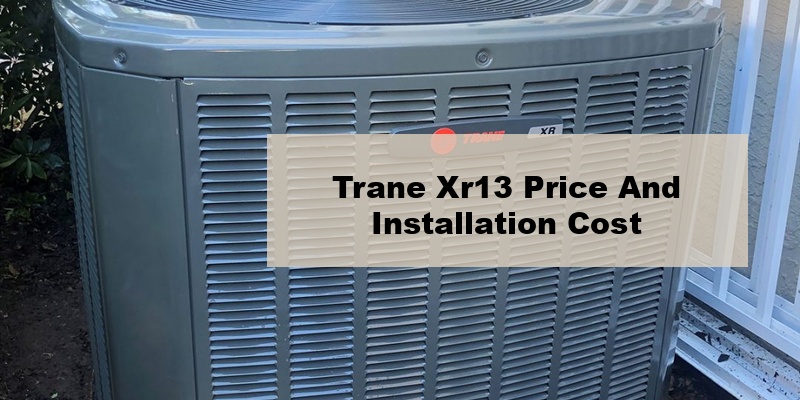
The Trane XR13 is a common entry-level central air conditioner noted for reliability and straightforward performance. This article breaks down the typical price of the XR13 unit itself and the installed cost, along with factors that influence pricing, warranties, and what to expect during installation. Prices vary by tonnage, region, and contractor, but buyers can use the ranges below to budget and compare quotes. The XR13 usually operates around 13 SEER with a single-stage compressor, using R-410A refrigerant, and is compatible with standard ductwork.
Content Navigation
What Is The Trane XR13?
The Trane XR13 is a single-stage central air conditioner designed for residential use. It usually targets around 13 SEER efficiency, delivering reliable cooling without advanced features found in higher-end models. The XR13 is typically paired with a compatible air handler or furnace and a matched outdoor condenser to form a complete cooling system. Availability can vary by region, but it remains a popular choice for homes seeking a balance between upfront cost and dependable performance. The unit uses modern refrigerants and standard ductwork to deliver comfortable indoor temperatures.
Key characteristics include a straightforward design, durability from Trane engineering, and compatibility with common thermostats and control systems. Efficiency and performance depend on proper sizing, installation quality, and duct design. Homeowners should ensure a correct Manual J load calculation is performed to confirm the XR13 is the right capacity for their space and climate.
Typical Price Of The XR13 Unit
The price for the XR13 unit itself varies with tonnage, regional market, and whether the unit is bought directly from a distributor or installed by a contractor. A general range for the outdoor condenser, which is the core component of the XR13, is roughly $1,800 to $3,000. If a matching indoor air handler or furnace is required, that adds to the equipment cost. When purchasing as a complete system, including necessary coils, controls, and wiring, expect the equipment portion to range from $3,400 to $6,000, depending on size and configuration. Regional promos, installation bundles, and dealer incentives can shift these numbers.
Notes: prices are influenced by tonnage, compressor type, coil compatibility, and availability of older stock. In some cases, you may see higher price quotes for higher-efficiency or factory-installed features. Always verify that the quoted unit has the correct SEER rating and is compatible with existing ductwork and electrical service.
Installation Cost For XR13
Installation costs cover labor, permits, materials, and any required upgrades to electrical service or ductwork. Typical installed-price ranges reflect a standard residential setup with no major complications. The following factors influence installation costs significantly: system size (tonnage), ductwork condition, age of the home, local labor rates, permit requirements, and whether additional work is needed (re-routing ducts, upgrading panels, or adding a new thermostat).
Call 888-896-7031 for Free Local HVAC Quotes – Compare and Save Today!
Estimated installed cost ranges for a typical XR13 setup are as follows: Total installed price: $4,000 to $7,500, depending on location and project specifics. Breakdown examples include $1,800–$3,000 for the condenser unit, $1,200–$2,600 for labor, and $200–$1,000 for materials like duct connections, wiring, and refrigerant line sets. Complex installs or older homes can push costs higher, while straightforward replacements in newer homes tend to fall at the lower end.
| Cost Component | Typical Price Range | Notes |
|---|---|---|
| Condenser (XR13 outdoor unit) | $1,800–$3,000 | Depends on tonnage and dealer pricing |
| Indoor air handler / furnace (if needed) | $1,000–$2,800 | Depends on compatibility and size |
| Labor for installation | $1,200–$2,600 | Includes removal of old unit and setup |
| Electrical and permits | $150–$600 | Depends on local permit requirements |
| Ductwork and miscellaneous materials | $200–$1,000 | Based on existing duct condition |
| Total Installed Price | $4,000–$7,500 | Region and project complexity dependent |
Warranties And What Affects Warranties
Warranty coverage for the XR13 typically includes a 10-year limited parts warranty when the unit is installed properly and registered with the manufacturer. Labor coverage is usually provided by the installing contractor and can vary. Some installers offer extended labor warranties or package deals for annual maintenance. Warranties can be affected by: correct system sizing, proper installation practices, using compatible components, refrigerant type (R-410A), and maintenance habits. Always confirm the exact warranty terms with the dealer and ensure product registration is completed.
To maximize warranty protection, choose a licensed HVAC professional with a solid local reputation, request written warranty terms, and keep maintenance records and receipts for future service.
How To Get The Best Price
To secure competitive pricing on the XR13, follow these practical steps. Obtain at least three written quotes from certified installers, ensuring each quote includes a full load calculation (Manual J), equipment specifications, labor estimates, permits, and any ductwork or electrical upgrades. Inquire about current promotions, rebates, and financing options. Check for local utility rebates or state incentives for high-efficiency systems and ensure the contractor documents the SEER rating and compatibility with existing ducts. Price shopping should balance cost with quality of installation and long-term reliability.
Consider the total cost of ownership, not just the upfront price. Energy savings, reliability, and maintenance needs influence long-term value. Ask about maintenance plans; a comprehensive tune-up program can extend system life and reduce costly repairs.
Installation Process: What To Expect
Understanding the installation process helps homeowners prepare and avoid delays. Typical steps include removing the old equipment, verifying refrigerant lines, and confirming ductwork compatibility. An installer will check electrical connections, install the new condenser and indoor unit, add a proper weatherproof pad, and ensure proper refrigerant charge and airflow balance. After setup, the system is tested for cooling performance, thermostat communication, and overall safety. A final walkthrough should cover maintenance requirements and warranty documentation.
Call 888-896-7031 for Free Local HVAC Quotes – Compare and Save Today!
Plan for a half-day to a full day project in most cases, with potential variations for complex ductwork or multi-zone configurations.
Maintenance And Longevity
Regular maintenance is key to maximizing XR13 performance and lifespan. Schedule seasonal professional tune-ups, replace or clean air filters monthly, and inspect refrigerant lines for leaks. Keep outdoor units clear of debris and ensure proper airflow. Homeowners can monitor for unusual noises, rising energy bills, or inconsistent cooling, which may indicate a refrigerant issue, dirty coils, or duct leakage. Proactive maintenance reduces repair costs and helps sustain efficiency. Maintenance visits typically cost $100–$300 per service, depending on location and service depth.
Compare With Similar Models
For buyers evaluating options, compare the XR13 with successor or nearby models such as the XR14 and XR15. The XR14 generally provides higher efficiency (higher SEER) and may carry different warranty terms or pricing. The XR15 might offer even higher efficiency and more advanced features, often at a higher upfront cost. When comparing, consider: SEER rating, price, reliability data, compatibility with existing ductwork, noise levels, and long-term energy savings. A professional installer can help determine whether upgrading to XR14 or XR15 yields a worthwhile payback in the home climate and usage patterns.
In practice, homeowners seeking a balance of cost and performance may prefer the XR13 for its straightforward design and dependable operation, while those in hot or energy-conscious climates may justify higher-efficiency options for greater long-term savings.
Tips for Getting the Best HVAC Prices
- Prioritize Quality Over Cost
The most critical factor in any HVAC project is the quality of the installation. Don’t compromise on contractor expertise just to save money. - Check for Rebates
Always research current rebates and incentives — they can significantly reduce your overall cost. - Compare Multiple Quotes
Request at least three estimates before making your choice. You can click here to get three free quotes from local professionals. These quotes include available rebates and tax credits and automatically exclude unqualified contractors. - Negotiate Smartly
Once you've chosen a contractor, use the proven strategies from our guide — How Homeowners Can Negotiate with HVAC Dealers — to get the best possible final price.