
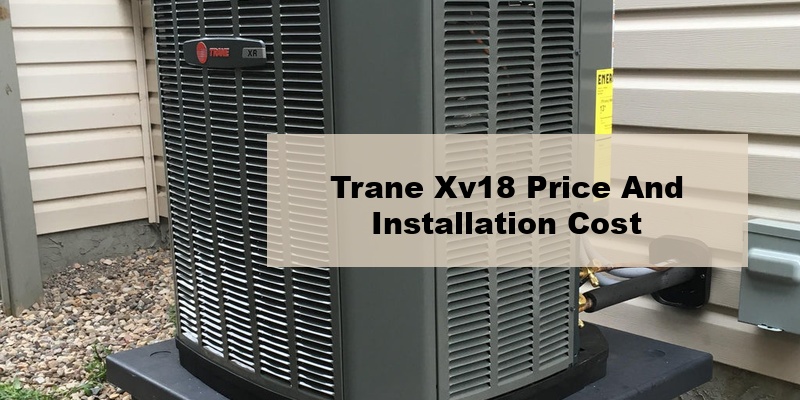
The Trane XV18 represents a high-efficiency option in Trane’s XV series, designed for central cooling and heating in residential homes. This article examines typical price ranges for the XV18 system components and professional installation, plus factors that influence final costs. It also covers energy efficiency, warranties, financing options, and tips for obtaining accurate quotes. Prices vary by home size, climate, ductwork condition, and local labor rates, so readers should use these figures as a guide and seek multiple formal estimates from licensed contractors.
Content Navigation
What Is The Trane XV18?
The XV18 is part of Trane’s XV line of high-efficiency, variable-speed outdoor condensers that are commonly paired with an indoor air handler or furnace. The configuration can function as a central air conditioner or as a heat pump system, depending on the indoor equipment and climate. The XV18 typically emphasizes energy efficiency, quiet operation, and improved humidity control through a variable-speed compressor. Availability and exact specifications can vary by region, model year, and matched indoor components, so buyers should confirm compatible indoor units with the installer.
Key characteristics often associated with the XV18 family include a high-SEER rating—commonly around 18 SEER in cooling efficiency—along with advanced refrigerant and control technology. System performance is highly dependent on correct sizing and proper ductwork, making professional installation essential for achieving advertised efficiency and reliable operation.
For consumers evaluating options, understanding that the XV18 price and performance hinge on the full system package is important. The outdoor condenser is only part of the equation; pairing with the right indoor coil or furnace, a compatible thermostat, and proper duct design determines total cost and long-term energy savings. Official product pages and local Trane dealers provide precise specs for specific configurations.
Price Range: Equipment And Installation
| Item | Typical Price (USD) | Notes |
|---|---|---|
| Outdoor XV18 Condenser | $3,000–$6,000 | Depends on tonnage, features, and regional pricing |
| Indoor Coil Or Air Handler Or Furnace | $1,500–$3,500 | Required to complete the split-system configuration |
| Installation Labor | $2,000–$5,000 | Varies by home size, duct condition, and complexity |
| Permits And Electrical Upgrades | $100–$800 | Local code requirements can affect cost |
| Thermostat And Accessories | $150–$500 | Smart thermostats add value and cost |
| Estimated Total Installed Price (Typical) | $6,000–$12,000 | Higher for larger homes or extensive ductwork |
These ranges reflect typical market conditions in the United States and can vary by region and contractor. For smaller homes with efficient ductwork and lighter loads, total installed prices may fall toward the lower end of the range; larger homes or those needing extensive duct modifications often land toward the upper end. When sizing and system type are optimized, the XV18 can deliver meaningful energy savings over older systems.
What Determines The Final Cost?
- System type and configuration: An outdoor XV18 condenser paired with an indoor air handler or furnace creates a split-system. A heat pump configuration (cooling and heating from the same equipment) tends to have a higher upfront cost than a straight air conditioner, but offers year-round comfort and potential energy savings.
- Seasonal tonnage and home size: Larger homes require more cooling capacity, which increases equipment cost and may raise ductwork and installation complexity.
- Ductwork condition and modifications: Damaged, leaky, or poorly designed ducts degrade efficiency and may require sealing, insulation, or redesign, increasing both price and performance gains.
- Indoor equipment compatibility: The cost includes the indoor coil or furnace, which must be matched to the outdoor XV18 to ensure efficiency and warranty eligibility.
- Labor rates and contractor expertise: Local wage levels and the contractor’s certifications (e.g., NATE-certified technicians) influence installation pricing.
- Permits, electrical upgrades, and inspections: Some jurisdictions require electrical work, line-set upgrades, or permit fees, impacting total cost.
- Warranty options and maintenance plans: Extended warranties or maintenance contracts add upfront costs but can improve long-term reliability and peace of mind.
Energy Efficiency, Operating Costs And Savings
The XV18 is designed to deliver strong cooling efficiency, with SEER ratings around 18 in many configurations. Higher efficiency typically translates to reduced monthly energy bills, especially in hot climates where cooling is a major seasonal expense. The actual savings depend on several factors, including home insulation, thermostat settings, local electricity rates, and how often the system runs at maximum capacity.
Call 888-896-7031 for Free Local HVAC Quotes – Compare and Save Today!
Variable-speed operation improves humidity control by modulating output to match demand, which can reduce dehumidification deficits common with older single-stage units. While the initial investment is higher than standard-efficiency models, long-term energy savings and improved comfort can offset the premium over time. Prospective buyers should request SEER ratings for the exact configuration from the installer and compare projected annual energy costs against current systems.
Consumers can further maximize efficiency with proper maintenance, including filter changes, blower cleanings, coil cleaning, and annual professional inspections. Some models of the XV18 family also support smart thermostats and zoning configurations, enabling more precise temperature control and potential energy savings.
Warranty, Maintenance, And Reliability
Warranty terms for Trane products typically cover critical components for a defined period, with variations based on the exact model, installation conditions, and registration. A common scenario is a 10-year limited warranty on internal system parts when the equipment is registered and properly installed. Labor coverage and certain outdoor components may differ by dealer and regional policy. Homeowners should confirm warranty details with the installing contractor and ensure appropriate maintenance plans are in place to preserve coverage and performance.
Regular maintenance is essential for peak efficiency and reliability. An annual or biannual service visit from a licensed HVAC professional can extend equipment life, maintain efficiency, and reduce the likelihood of unexpected breakdowns. When shopping for service, buyers should inquire about maintenance packages, included inspections, and any parts coverage that accompanies the plan.
Financing, Rebates And Incentives
financing options and incentives vary by lender, retailer, and local programs. Many utility providers offer rebates for high-efficiency heat pumps and air conditioners, while some federal or state programs provide tax credits or incentives for energy-efficient home improvements. The availability and amount of rebates or credits can change year to year, so consumers should check with the contractor, local utility company, and Energy Star or similar government resources for current offers. A well-constructed quote should itemize any applicable incentives and the net price after credits.
Getting An Accurate Quote
To obtain an accurate Trane XV18 price and installation cost, homeowners should collect multiple formal quotes from licensed HVAC contractors. Each quote should specify the exact equipment model, indoor unit configuration, ductwork work, labor scope, and warranty terms. Homeowners should request a detailed load calculation (Manual J), duct leakage test (Manual D), and system commissioning plan as part of the bidding process. This ensures the quoted price reflects proper sizing and performance rather than a best-guess estimate.
Call 888-896-7031 for Free Local HVAC Quotes – Compare and Save Today!
Key questions to ask contractors include:
- Is the XV18 the outdoor unit in the quote, and what is the exact model number?
- Does the price include indoor coil/furnace, or is that a separate line item?
- What ductwork improvements are anticipated, and are any ceiling or wall accesses required?
- Are electrical upgrades, permits, and line-set modifications included?
- What maintenance plan and warranty terms accompany the system?
Choosing A Contractor: What To Look For
Selecting a qualified, reputable HVAC contractor is as important as choosing the right equipment. Look for:
- Licensing and full insurance coverage to protect against accidents or damage.
- Clear, written estimates with itemized costs and a defined installation timeline.
- Evidence of ongoing technician training and factory certifications, especially for high-efficiency systems.
- Strong references and online reviews indicating consistent performance and customer satisfaction.
- Commitment to proper sizing, load calculations, and quality ductwork fabrication or replacement when needed.
Conclusion
Note: There is no conclusion section requested, but it is important to summarize that the Trane XV18 price and installation cost depend on system type, tonnage, duct integrity, regional labor rates, and chosen features. Prospective buyers should obtain multiple, detailed quotes, verify proper sizing, and consider long-term energy savings, warranty coverage, and maintenance plans when evaluating total cost and value.
Tips for Getting the Best HVAC Prices
- Prioritize Quality Over Cost
The most critical factor in any HVAC project is the quality of the installation. Don’t compromise on contractor expertise just to save money. - Check for Rebates
Always research current rebates and incentives — they can significantly reduce your overall cost. - Compare Multiple Quotes
Request at least three estimates before making your choice. You can click here to get three free quotes from local professionals. These quotes include available rebates and tax credits and automatically exclude unqualified contractors. - Negotiate Smartly
Once you've chosen a contractor, use the proven strategies from our guide — How Homeowners Can Negotiate with HVAC Dealers — to get the best possible final price.