
Forever chemicals, technically known as PFAS (per- and polyfluoroalkyl substances), have become a significant concern in drinking water across America. These synthetic compounds earned their nickname because they don’t break down naturally in the environment or human body. With increasing evidence linking PFAS exposure to serious health issues like cancer and immune system damage, many households are seeking effective filtration solutions. This article explores the water filtration technologies specifically designed to remove these persistent chemicals, comparing various systems’ effectiveness, cost considerations, and helping you choose the right filter to protect your household from these potentially harmful contaminants.
PFAS (per- and polyfluoroalkyl substances) comprise a group of over 4,700 synthetic chemicals that have been manufactured since the 1940s. Their water-repellent and stain-resistant properties made them popular ingredients in countless consumer products, including non-stick cookware, waterproof clothing, food packaging, and firefighting foams.
What makes PFAS particularly concerning is their extraordinary persistence. The carbon-fluorine bonds that give these chemicals their useful properties are among the strongest in organic chemistry, enabling them to resist degradation for decades or even centuries. This persistence has led to widespread environmental contamination, with PFAS now detectable in water supplies, soil, air, and even human blood samples nationwide.
Health studies have linked PFAS exposure to a concerning array of health effects, including increased cholesterol levels, reduced vaccine response in children, thyroid hormone disruption, decreased fertility, increased risk of certain cancers, and pregnancy complications. The EPA has established health advisory levels for certain PFAS compounds, though regulations continue to evolve as research advances.
Content Navigation
How Water Filters Remove Forever Chemicals
Removing PFAS from drinking water requires specialized filtration techniques due to their unique chemical properties and tiny molecular size. Standard water filters often fall short when targeting these persistent compounds, but several technologies have proven effective.
Key Filtration Technologies
Activated carbon filtration works through adsorption, where PFAS molecules adhere to the carbon’s surface. The effectiveness varies based on the carbon quality, contact time, and specific PFAS compounds present. This technology works particularly well for longer-chain PFAS like PFOA and PFOS but may be less effective against shorter-chain alternatives.
Call 888-896-7031 for Free Local HVAC Quotes – Compare and Save Today!
Reverse osmosis (RO) systems force water through a semipermeable membrane that blocks contaminants while allowing water molecules to pass. RO typically removes 90-99% of PFAS regardless of chain length, making it one of the most comprehensive solutions available. However, these systems use significant water during the filtration process and remove beneficial minerals alongside contaminants.
Ion exchange resins utilize positively charged materials to attract and bind negatively charged PFAS molecules. These systems can be highly effective but require periodic regeneration or replacement of the resin medium to maintain performance. They’re often used in combination with other filtration methods for optimal results.
Effective Water Filter Types for PFAS Removal
When choosing a water filter for PFAS removal, understanding the effectiveness of different systems is crucial. The table below compares the main filtration technologies and their typical removal rates for forever chemicals:
| Filter Type | PFAS Removal Efficiency | Pros | Cons |
|---|---|---|---|
| Activated Carbon | 70-90% (varies by PFAS type) | Affordable, no water waste, simple installation | Less effective for short-chain PFAS, requires regular replacement |
| Reverse Osmosis | 90-99% | Removes most PFAS types, also filters other contaminants | Higher cost, wastes water, removes beneficial minerals |
| Ion Exchange | 95-99% | High removal rates, effective for most PFAS compounds | Expensive, complex maintenance, less common for home use |
| Distillation | 85-95% | No filters to replace, effective for multiple contaminants | Energy-intensive, slow process, expensive operation |
| Nanofiltration | 90-95% | Removes most PFAS while retaining some minerals | Less common for residential use, higher cost |
For maximum protection, multi-stage filtration systems that combine two or more technologies (such as activated carbon followed by reverse osmosis) often provide the most comprehensive PFAS removal. These systems can address both long-chain and short-chain PFAS compounds while also removing other contaminants.
Top Water Filters for PFAS Removal
Under-Sink Systems
Under-sink filtration systems offer a balance of convenience and effectiveness. These units install beneath your kitchen sink and typically connect to a dedicated faucet. The best under-sink options for PFAS removal utilize reverse osmosis, often with pre-filtration stages involving activated carbon. Popular models include the APEC ROES-50, Waterdrop G3P800, and AquaTru systems, with removal rates exceeding 95% for most PFAS compounds.
Whole-House Systems
For comprehensive protection, whole-house filtration systems treat water as it enters your home. These systems typically use a combination of large-format activated carbon tanks and, in some cases, ion exchange media. While more expensive, they provide protection at every water outlet in your home, including showers and bathrooms where PFAS can also be absorbed through skin contact or inhalation.
Call 888-896-7031 for Free Local HVAC Quotes – Compare and Save Today!
Countertop and Pitcher Filters
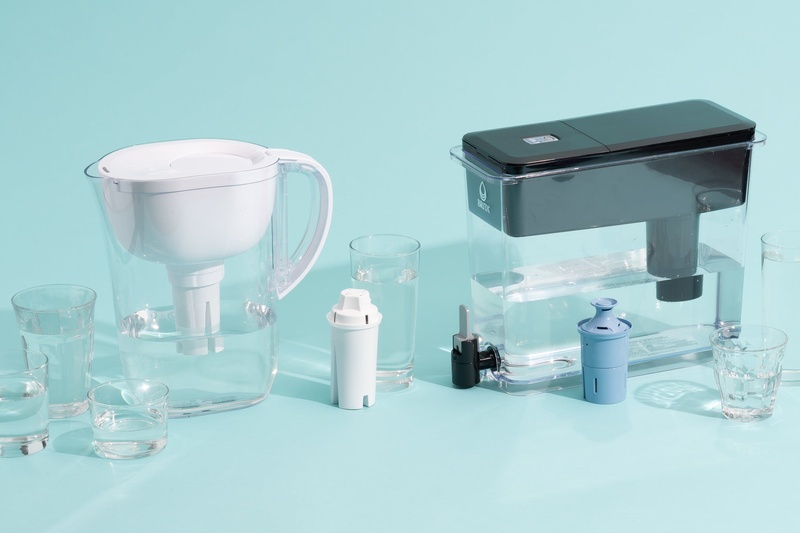
For renters or those seeking a more affordable option, some specialized countertop filters and pitchers are designed to reduce PFAS. While generally less effective than under-sink or whole-house systems, high-quality activated carbon pitchers from brands like Clearly Filtered and ZeroWater have demonstrated respectable PFAS reduction in independent testing. These provide a portable and accessible option without installation requirements.
| Filter System | Type | PFAS Removal | Approximate Cost | Annual Maintenance Cost |
|---|---|---|---|---|
| APEC ROES-50 | Under-sink RO | 95-97% | $200-250 | $80-100 |
| Waterdrop G3P800 | Under-sink RO | 96-98% | $500-600 | $100-120 |
| Clearly Filtered Pitcher | Water Pitcher | 80-85% | $75-90 | $150 (filters) |
| iSpring WGB32BM | Whole-House | 90-95% | $500-700 | $200-300 |
| AquaTru Countertop | Countertop RO | 95% | $350-400 | $100-120 |
Maintenance and Replacement Considerations
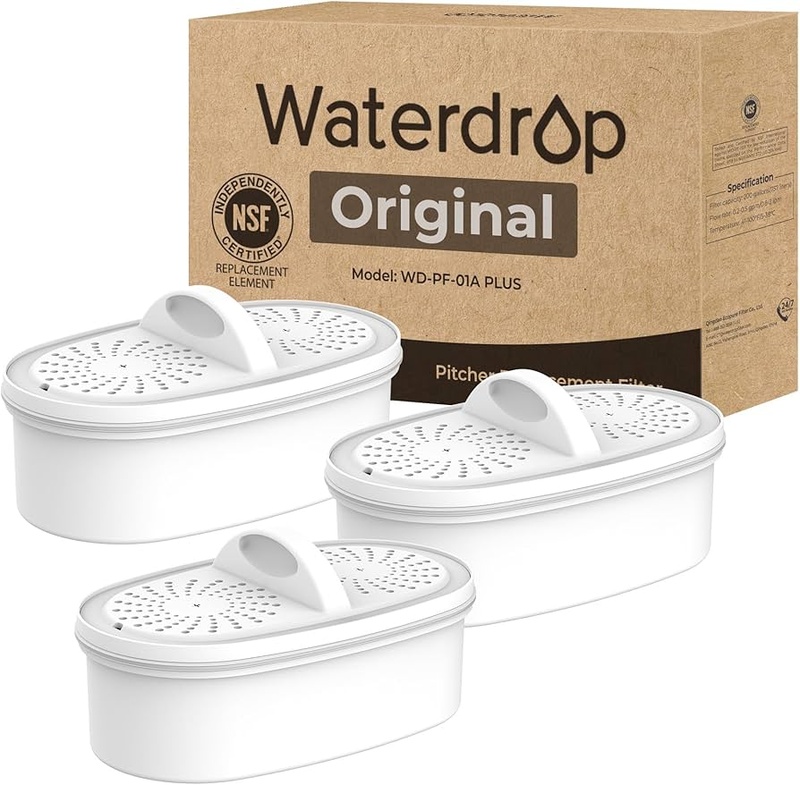
The effectiveness of any water filter system depends heavily on proper maintenance. For PFAS removal, this is particularly crucial as saturated filters can actually release previously trapped contaminants back into your water. Regular replacement of filtration media according to manufacturer guidelines is essential.
Activated carbon filters typically require replacement every 3-6 months depending on water quality and usage. Reverse osmosis membranes generally last 2-3 years but may need earlier replacement in areas with high contamination levels. Pre-filters in multi-stage systems often need more frequent changes to prevent clogging and maintain system efficiency.
When calculating the true cost of a filtration system, factor in these ongoing maintenance expenses. A less expensive system upfront may actually cost more over time if it requires frequent filter replacements. Some advanced systems now include monitoring capabilities that alert you when filter performance declines, helping optimize replacement timing.
Testing Your Water for PFAS

Before investing in a filtration system, consider testing your water to confirm the presence and concentration of PFAS. This information can help you select the most appropriate filtration technology for your specific situation. Several options exist for PFAS testing:
- Consumer test kits from companies like SimpleLab and Tap Score provide sampling materials and laboratory analysis, with prices ranging from $200-400 for comprehensive PFAS panels.
- Certified laboratories can provide the most accurate results but typically at higher costs ($300-500).
- Municipal water reports may include PFAS information, though testing is not yet universal or required in all areas.
When interpreting test results, compare against current health advisory levels. The EPA has set health advisory levels for certain PFAS compounds at extremely low concentrations (measured in parts per trillion), reflecting the potential health risks even at minute exposure levels. A qualified filter system should reduce PFAS concentrations below these advisory levels.
After installing a filtration system, consider follow-up testing to verify its effectiveness. This is particularly important for protecting vulnerable household members like pregnant women, infants, and individuals with compromised immune systems who may be more susceptible to PFAS-related health effects.
Tips for Getting the Best HVAC Prices
- Prioritize Quality Over Cost
The most critical factor in any HVAC project is the quality of the installation. Don’t compromise on contractor expertise just to save money. - Check for Rebates
Always research current rebates and incentives — they can significantly reduce your overall cost. - Compare Multiple Quotes
Request at least three estimates before making your choice. You can click here to get three free quotes from local professionals. These quotes include available rebates and tax credits and automatically exclude unqualified contractors. - Negotiate Smartly
Once you've chosen a contractor, use the proven strategies from our guide — How Homeowners Can Negotiate with HVAC Dealers — to get the best possible final price.