
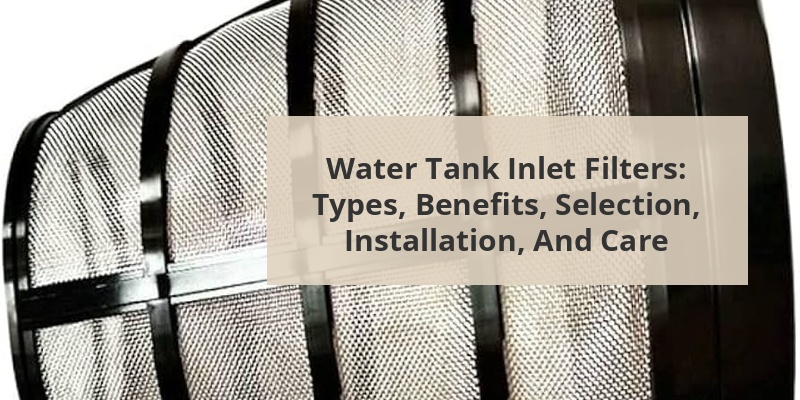
Water tank inlet filters serve as critical gatekeepers for water storage systems, preventing debris, sediment, and contaminants from entering your tank. These specialized filtration devices are installed at the inlet point where water flows into storage tanks, effectively capturing unwanted particles before they can accumulate inside your system. Whether for residential rainwater harvesting, agricultural applications, or industrial water storage, inlet filters help maintain water quality, protect downstream components, and extend the life of your entire water system. Understanding the various types, benefits, and maintenance requirements of these filters is essential for anyone looking to optimize their water storage efficiency.
A water tank inlet filter is a specialized filtration device designed to remove contaminants from water as it enters a storage tank. It acts as the first line of defense against leaves, insects, debris, sediment, and other unwanted particles. Positioned at the water intake point, these filters typically consist of a housing unit containing a mesh screen, filter media, or a combination of filtration elements.
Unlike regular water filters used for drinking water, inlet filters primarily focus on larger particles that could cause blockages, promote bacterial growth, or reduce storage capacity. Their primary function is to maintain system integrity rather than making water potable, though they do contribute significantly to overall water quality.
Content Navigation
Types of Water Tank Inlet Filters
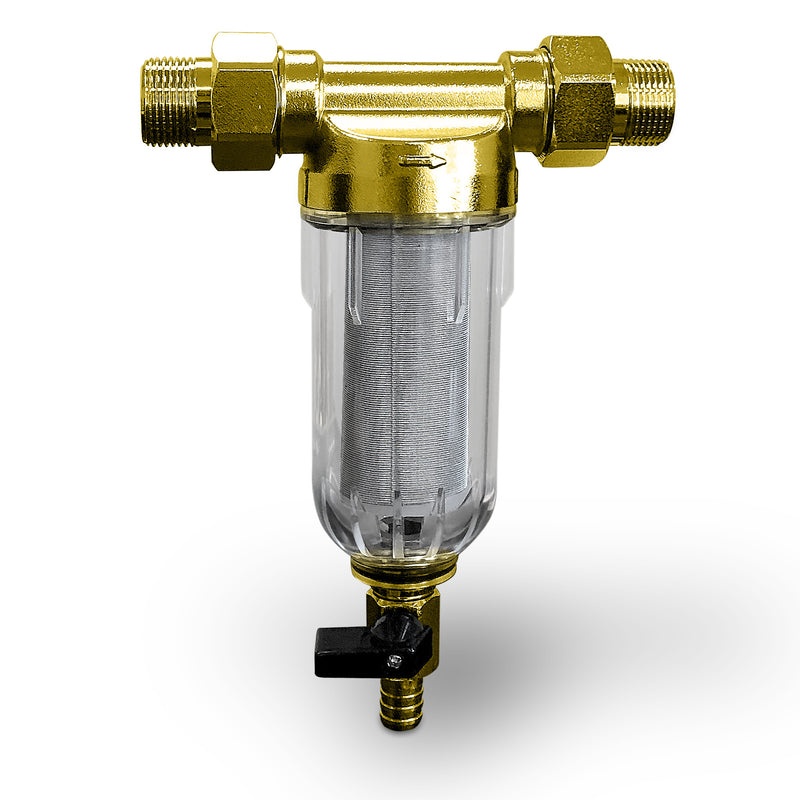
Several types of inlet filters are available to meet different water storage needs and source water conditions. Understanding their differences helps in selecting the appropriate option for your specific application.
Mesh Screen Filters
Mesh screen filters utilize stainless steel or plastic screens with various mesh sizes to physically block debris. They’re typically measured in microns or mesh count, with smaller micron ratings capturing finer particles. These filters are especially effective for removing leaves, insects, and larger sediment from rainwater collection systems.
Basket Filters
Basket filters feature a removable basket-shaped screen that collects debris for easy cleaning. Commonly used in larger tank installations, these filters allow for substantial debris collection before requiring maintenance and are ideal for high-flow applications where frequent cleaning may be necessary.
Call 888-896-7031 for Free Local HVAC Quotes – Compare and Save Today!
First-Flush Diverters
Though not filters in the traditional sense, first-flush diverters redirect the initial flow of rainwater away from the storage tank. This initial water typically contains the highest concentration of contaminants from roof surfaces. By diverting this “first flush,” the system ensures cleaner water enters the storage tank.
Cartridge Filters
Cartridge-style inlet filters use replaceable filter elements that trap particulates of various sizes. These offer more thorough filtration but require regular cartridge replacement. They’re often used in cascading filtration systems where progressively finer filtration is desired.
| Filter Type | Filtration Level | Best For | Maintenance Requirements |
|---|---|---|---|
| Mesh Screen | 100-900 microns | Leaves, insects, coarse debris | Regular cleaning |
| Basket Filter | 500-2000 microns | High-volume applications | Periodic basket emptying |
| First-Flush Diverter | N/A (diverts rather than filters) | Rainwater harvesting | Draining after rainfall |
| Cartridge Filter | 1-100 microns | Finer sediment removal | Regular cartridge replacement |
Benefits of Using Water Tank Inlet Filters
Installing proper inlet filtration offers numerous advantages for your water storage system, regardless of its size or application. These benefits extend beyond simple water quality improvement.
- Prevents system clogging in pipes, valves, and outlets, ensuring consistent water flow
- Reduces sediment buildup in the tank, preserving storage capacity and minimizing the need for tank cleaning
- Extends equipment lifespan by protecting pumps, valves, and other downstream components from abrasive particles
- Improves water quality by reducing turbidity and minimizing organic matter that could lead to bacterial growth
- Decreases maintenance requirements for the overall water system, saving time and maintenance costs
- Enhances system efficiency by maintaining optimal flow rates and pressure throughout the system
For rainwater harvesting systems specifically, inlet filters play a crucial role in making collected water usable for irrigation, toilet flushing, laundry, and with additional treatment, even potable applications.
How to Choose the Right Water Tank Inlet Filter
Selecting the appropriate inlet filter requires consideration of several key factors to ensure optimal performance for your specific water storage system.
Flow Rate Capacity
The filter must be able to handle the maximum water flow into your tank without creating backups or restrictions. Undersized filters can cause water loss during heavy rainfall or rapid filling operations. Consider both average and peak flow rates when selecting your filter.
Call 888-896-7031 for Free Local HVAC Quotes – Compare and Save Today!
Filtration Level
Different applications require different levels of filtration. For basic rainwater collection used for irrigation, coarser filters (500-900 microns) may suffice. For water that will undergo further treatment for household use, finer filtration (50-100 microns) at the inlet stage is recommended.
Installation Location
Consider where the filter will be installed. Some models are designed for in-line installation in pipes, while others are made for downspouts or direct tank mounting. The accessibility for maintenance should be a primary consideration since all filters will require periodic cleaning or servicing.
Material Durability
Inlet filters should be constructed from UV-resistant, non-corrosive materials such as stainless steel, high-grade plastics, or brass components. These materials ensure longevity when exposed to the elements or when used with chemically treated water.
| Application | Recommended Filter Type | Typical Micron Rating |
|---|---|---|
| Residential rainwater harvesting | Downspout filter with first-flush diverter | 500-900 microns |
| Agricultural irrigation | Large basket or mesh screen filter | 800-2000 microns |
| Potable water preparation | Multi-stage with fine mesh or cartridge | 50-100 microns |
| Industrial storage | Heavy-duty stainless steel strainer | 100-500 microns |
Installation and Maintenance of Water Tank Inlet Filters

Proper installation and regular maintenance are crucial for ensuring optimal filter performance and longevity. Even the highest quality filters will fail if not correctly installed or maintained.
Installation Best Practices
When installing water tank inlet filters, follow manufacturer guidelines precisely for your specific model. Typically, installation involves positioning the filter at a point where all water entering the tank must pass through it. For rainwater systems, this usually means mounting the filter at downspouts or at the tank inlet pipe.
Ensure the filter is easily accessible for maintenance and, if possible, install bypass valves to allow for servicing without disrupting water collection. Some systems benefit from pre-filter installations to catch the largest debris before it reaches the main inlet filter.
Maintenance Requirements
Regular maintenance is essential for inlet filter effectiveness. The maintenance frequency depends on your water source, environmental conditions, and filter type.
- Inspect filters monthly during heavy use periods or rainy seasons
- Clean mesh screens by removing and rinsing with a garden hose in the reverse direction of normal water flow
- Empty basket filters when they reach 50-75% capacity to prevent overflow
- Replace cartridge elements according to manufacturer recommendations or when flow becomes noticeably restricted
- Check seals and gaskets during cleaning to ensure they remain watertight
- Drain first-flush diverters after each rainfall event for optimal performance
During seasons of heavy leaf fall or pollen, more frequent inspection and cleaning may be necessary to prevent clogging and ensure continued water collection efficiency.
Common Problems and Troubleshooting
Even with proper installation and maintenance, inlet filters can experience issues. Recognizing common problems and knowing how to address them helps maintain system performance.
Clogging and Reduced Flow
The most common issue with inlet filters is clogging, which restricts water flow into the tank. If you notice overflow at your gutters or reduced tank filling during rainfall, inspect your filter for debris accumulation. Regular cleaning schedules based on seasonal conditions can prevent this problem.
Filter Bypass
Sometimes water finds a path around the filter due to improper sealing or installation. This defeats the filtration purpose and allows contaminants directly into your tank. Check for leaks around filter housings and ensure all connections are secure and properly sealed.
Filter Damage
Physical damage to screens or filter elements can occur from debris impact, freezing conditions, or UV degradation. Inspect filter components regularly for tears, holes, or brittleness. Replace damaged parts promptly to maintain filtration efficiency.
Comparing Top Water Tank Inlet Filter Models
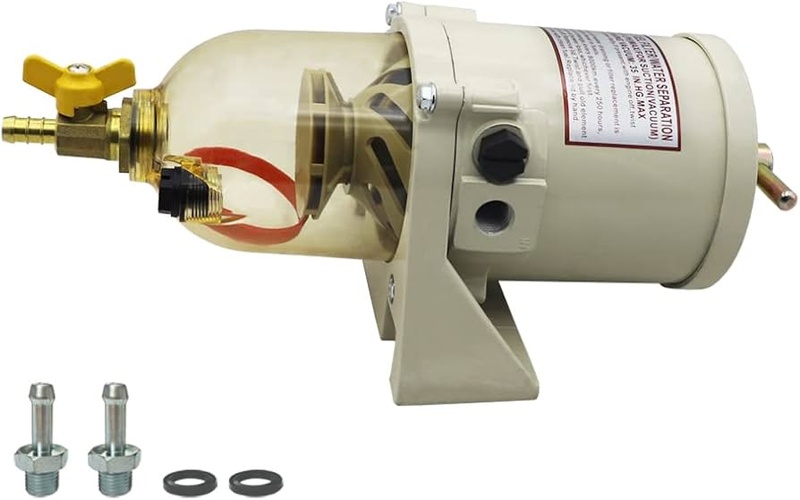
The market offers various inlet filter options across price points and specifications. This comparison highlights key features of popular models to help guide purchasing decisions.
| Model | Type | Filter Rating | Flow Capacity | Price Range | Best Feature |
|---|---|---|---|---|---|
| WISY WFF 100 | Downspout filter | 280 microns | Up to 390 GPM | $200-300 | Self-cleaning design |
| Rain Harvesting Clean Rain | Downspout with diverter | 955 microns | Up to 132 GPM | $150-200 | Integrated first-flush |
| Rainflo Leaf Eater | Pre-filter screen | 950 microns | Up to 150 GPM | $50-80 | Budget-friendly |
| Rusco Spin-Down | Sediment filter | 30-100 microns | Up to 40 GPM | $70-120 | Easy flush valve |
| Watts PWHFC Cartridge | Pleated cartridge | 5-50 microns | Up to 15 GPM | $120-180 | Fine filtration capability |
When evaluating these options, consider your specific water source, intended water use, and maintenance preferences. Higher-priced models often feature better self-cleaning capabilities, longer service intervals, and more durable materials, potentially offering better long-term value despite higher initial costs.
Tips for Getting the Best HVAC Prices
- Prioritize Quality Over Cost
The most critical factor in any HVAC project is the quality of the installation. Don’t compromise on contractor expertise just to save money. - Check for Rebates
Always research current rebates and incentives — they can significantly reduce your overall cost. - Compare Multiple Quotes
Request at least three estimates before making your choice. You can click here to get three free quotes from local professionals. These quotes include available rebates and tax credits and automatically exclude unqualified contractors. - Negotiate Smartly
Once you've chosen a contractor, use the proven strategies from our guide — How Homeowners Can Negotiate with HVAC Dealers — to get the best possible final price.