
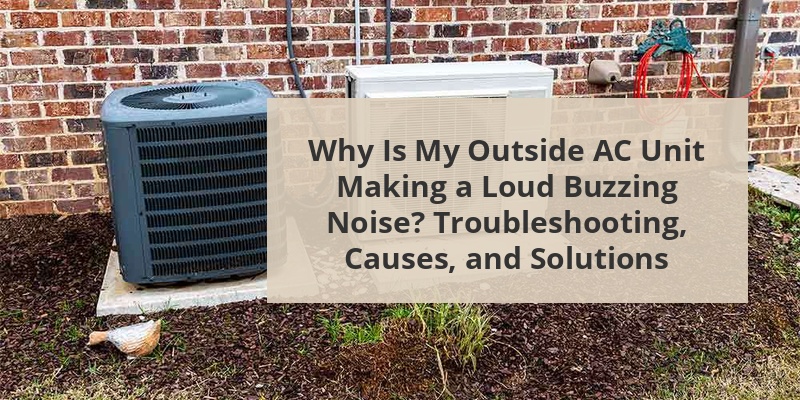
Many American homeowners report a loud buzzing noise coming from their outside AC unit during summer. This sound often signals an issue that ranges from minor to critical. Understanding the causes, implications, and the right approach can both restore comfort and prevent expensive breakdowns. Explore frequent causes and actionable solutions in this definitive guide.
| Possible Cause | Immediate Risk | Recommended Next Step |
|---|---|---|
| Loose Electrical Connections | Electrical shock, fire hazard | Turn off power, call HVAC technician |
| Compressor Problems | No cooling, system damage | Schedule professional diagnosis |
| Debris in Unit | Fan obstruction, overheating | Clear debris, check for damage |
| Fan Motor Malfunction | Overheating, total unit failure | Inspect and replace if needed |
| Contactor Failure | AC won’t turn on/off, further damage | Replace faulty contactor |
Content Navigation
- Recognizing A Buzzing Noise From Your Outdoor AC Unit
- Common Causes Of AC Outdoor Unit Buzzing Noise
- How To Diagnose The Source Of The Buzzing Noise
- How AC System Design Can Lead To Buzzing Noises
- Seasonal Factors That Contribute To Buzzing Noises
- Immediate Steps To Take If You Hear Buzzing
- When Is A Buzzing Noise An Emergency?
- Typical Repairs For Buzzing Outdoor AC Units
- Preventative Maintenance To Avoid Buzzing Noises
- How Noise Laws And Neighborhood Considerations Impact Repairs
- Replacing Versus Repairing A Noisy AC Compressor Unit
- What Different Buzzing Noises Indicate
- DIY Myths And Mistakes To Avoid With AC Buzzing Noises
- Choosing The Right HVAC Contractor For AC Repairs
- Modern Features That Reduce AC Outdoor Unit Noise
- Frequently Asked Questions About Outdoor AC Unit Buzzing
Recognizing A Buzzing Noise From Your Outdoor AC Unit
A loud buzzing sound from your outdoor air conditioning unit is more than an annoyance—it’s a call to attention. This noise typically indicates abnormal electrical activity, mechanical stress, or obstructions. Differentiating a buzzing noise from humming, rattling, or banging can help pinpoint the source quickly. Always take buzzing sounds seriously to avoid bigger issues down the line.
Common Causes Of AC Outdoor Unit Buzzing Noise
Electrical Issues And Loose Wiring
Loose or frayed electrical connections are among the leading causes of buzzing in outdoor AC units. As current flows through unsecured wires, it can arc—causing a distinctive buzzing sound and creating a fire risk. Regular wear, rodent interference, or vibration often blame for loosened terminals. Immediate professional inspection is recommended if electrical faults are suspected.
Compressor Malfunctions
The compressor is the heart of the AC system. When it fails or struggles to start due to voltage imbalance, faulty capacitor, or mechanical wear, it may make a consistent buzzing noise. These failures can stop your system from cooling entirely and typically signal the need for advanced repairs.
Debris And Foreign Objects
Outdoor AC units, exposed to the elements, can collect yard debris such as twigs, leaves, or nests. If these items get caught in the condenser fan or coils, a sharp, irregular buzzing noise will often result. Regular inspection and gentle cleaning are crucial, especially after storms or windy periods.
Fan Motor And Blade Problems
The condensing fan circulates air to cool refrigerant. Damaged fan blades, misaligned motors, or worn-out bearings may cause the motor to buzz loudly—especially under strain. If the fan cannot spin freely, it could overheat and damage internal components, so fast action is necessary.
Call 888-896-7031 for Free Local HVAC Quotes – Compare and Save Today!
Contactor Relay Failures
AC units use a contactor relay to power the compressor and fan motor. Over time, the relay can develop pitting or weld in place, leading to persistent buzzing when electricity flows improperly. Replacement of the contactor relay restores normal function and is a common repair.
Frozen Or Blocked Refrigerant Lines
When refrigerant levels drop or lines freeze, the system’s pressure changes, which can cause the compressor or expansion valve to buzz. These issues are often paired with reduced cooling efficiency and visible ice buildup. A licensed HVAC technician can confirm refrigerant problems and recharge the system safely.
How To Diagnose The Source Of The Buzzing Noise
Initial Observations
Begin by identifying when the buzzing noise occurs. Is it continuous or only when the AC turns on or off? Does the noise change with weather or after recent maintenance? Noting these patterns can provide valuable clues to a technician or experienced homeowner.
Visual Inspection
With power off at the disconnect box, inspect the AC unit for visible signs of damage. Look for loose wires, burnt insulation, lodged debris, or ice accumulation. Feel for abnormal vibrations or hot spots on the housing. Ensure nothing is touching moving fan blades.
Testing And Listening
After restoring power, carefully listen for the buzzing’s location—is it centered at the compressor, the fan motor, or another component? Each has a distinctive sound profile. Try observing sounds with the access panel off versus closed. Take caution when near the running unit.
DIY Versus Professional Help
While some issues like debris removal or clearing vegetation are safe to handle, electrical and compressor repairs must be left to certified HVAC professionals. Attempting electrical repairs can lead to further damage or serious injury. If in doubt, always seek professional assistance.
Call 888-896-7031 for Free Local HVAC Quotes – Compare and Save Today!
How AC System Design Can Lead To Buzzing Noises
Vibrational Resonance
Poor installation or inadequate mounting can cause the unit’s case or piping to resonate, amplifying vibrations that present as buzzing. Upgrading mounting pads or adding anti-vibration supports often quiets these issues. Over time, weather can degrade mounts, requiring re-leveling or replacement.
Aging Components
As AC units age, components such as the compressor windings, fan bearings, and electrical relays wear out. This causes noises that weren’t present when the system was new. Routine maintenance extends system life and prevents unexpected failures.
Seasonal Factors That Contribute To Buzzing Noises
High Temperatures
Extended summer heatwaves can increase pressure inside refrigerant lines and compressor housings. As pressure builds, a straining component (especially the compressor) may buzz under the load. Ensuring optimal airflow and shade for your outdoor unit mitigates temperature extremes.
Pest And Insect Infestations
Outdoor units attract spiders, ants, and rodents seeking shelter. Nests built inside the unit often lead to buzzing if they obstruct wiring or moving parts. Routine pest control and inspection around the condenser can prevent these issues from recurring.
Immediate Steps To Take If You Hear Buzzing
- Turn off your air conditioner at the thermostat.
- Switch power off at the circuit breaker or disconnect box.
- Clear any visible debris around the outdoor unit.
- Do not touch exposed wiring or stored capacitors.
- Call a licensed HVAC technician for further diagnosis if buzzing persists.
When Is A Buzzing Noise An Emergency?
Loud, persistent, or accompanied by electrical smells, smoke, or sparks? Treat the buzzing as an emergency and disconnect power immediately. Electrical fires, compressor lock-up, or arcing can cause property damage or personal harm if delayed. Always err on the side of caution.
Typical Repairs For Buzzing Outdoor AC Units
| Repair Type | Symptoms Addressed | Average Cost Range (USD) |
|---|---|---|
| Capacitor Replacement | Compressor or fan won’t start, persistent buzz | $100-$300 |
| Contactor Replacement | Buzzing during cycling, unit fails to engage/disengage | $120-$350 |
| Compressor Repair/Replacement | Deep, persistent buzz, loss of cooling | $1,200-$2,500 |
| Fan Motor and Blade | Buzzing, vibration, loss of airflow | $350-$700 |
| Electrical Wiring Correction | Arcing, intermittent operation, safety risk | $150-$400 |
| Debris and Cleaning | Obstructed fan, irregular buzzing | $75-$250 |
Preventative Maintenance To Avoid Buzzing Noises
Regular Cleaning
Keep grass clippings, leaves, and debris at least 2 feet clear from all sides of the AC unit. Scheduled cleanings, especially in spring and early fall, reduce blockages that cause excessive buzzing and ventilation problems.
Professional Tune-Ups
Annual HVAC maintenance visits include checking all electrical connections, cleaning coils, and testing system operation. Early detection of worn capacitors, loose relays, and low refrigerant prevents sudden summer breakdowns.
DIY Checks Between Tune-Ups
- Inspect the outdoor unit monthly for debris accumulation.
- Look for insects or pests near wiring or inside panels.
- Check noise levels after storms or power surges.
- Listen for new or changing noises during system start-up and shutdown.
How Noise Laws And Neighborhood Considerations Impact Repairs
Many localities enforce noise ordinances limiting decibel levels of residential AC units. If your outdoor unit is generating excessive noise—especially at night—prompt repair keeps you in compliance and maintains peace with neighbors. Repeated buzzing may prompt HOA action or city violations in some suburban areas.
Replacing Versus Repairing A Noisy AC Compressor Unit
Age And Condition Assessment
If your AC system is over 10-12 years old and the repair exceeds half the cost of replacement, full system replacement is often recommended. Newer systems not only resolve noise but also improve efficiency and indoor air quality.
Availability Of Parts
Older outdoor AC units may require parts that are obsolete or difficult to find. Retrofitting modern components can sometimes muffle noise, but results may be mixed compared to replacing the entire condensing unit.
What Different Buzzing Noises Indicate
| Noise Timing | Likely Source | Severity |
|---|---|---|
| Only At Startup | Capacitor, relay, electrical surge | Moderate |
| Constant During Operation | Compressor, motor, wiring | Severe |
| Intermittent Or Pulsing | Obstruction, relay, thermostat | Moderate to Severe |
| Accompanied By Vibrations | Fan blade, mounting pad, loose parts | Variable |
DIY Myths And Mistakes To Avoid With AC Buzzing Noises
- Never open or touch internal electrical components without proper training and safety equipment.
- Avoid using water on actively buzzing outdoor units, as water may cause shorts or worsen arcing.
- Do not use lubricants or sprays on electrical relays—these require dry contact or replacement, not makeshift fixes.
- Rely on multi-meter diagnostics only if you possess HVAC or electrical experience.
- Replacing fuses or resetting breakers without solving the underlying issue often leads to repeated failures or fire risk.
Choosing The Right HVAC Contractor For AC Repairs
Seek contractors with valid state licensing, insurance, and certified HVAC technicians (NATE or equivalent). Read online reviews and ask neighbors about reputable service providers. Always request a written estimate before repairs begin. Quality contractors offer warranties for both parts and labor on all repair work.
Modern Features That Reduce AC Outdoor Unit Noise
Variable-speed compressors, sound blankets, improved fan design, and vibration isolation pads are standard in today’s high-efficiency outdoor AC units. If recurring buzzing noise remains an issue, upgrading may provide quieter and more reliable operation—plus lower utility bills and a reduced carbon footprint.
Tips for Getting the Best HVAC Prices
- Prioritize Quality Over Cost
The most critical factor in any HVAC project is the quality of the installation. Don’t compromise on contractor expertise just to save money. - Check for Rebates
Always research current rebates and incentives — they can significantly reduce your overall cost. - Compare Multiple Quotes
Request at least three estimates before making your choice. You can click here to get three free quotes from local professionals. These quotes include available rebates and tax credits and automatically exclude unqualified contractors. - Negotiate Smartly
Once you've chosen a contractor, use the proven strategies from our guide — How Homeowners Can Negotiate with HVAC Dealers — to get the best possible final price.
Frequently Asked Questions About Outdoor AC Unit Buzzing
- Q: Can I keep running the AC if it’s buzzing but still cooling?
A: It is not recommended, as a buzzing noise signals underlying issues that can worsen and cause expensive failure or safety hazards. - Q: Should I attempt a DIY repair if I find a loose wire?
A: No. Only licensed professionals should address wiring issues to prevent shock, accidental damage, or code violations. - Q: Does insurance cover AC repairs for buzzing noises?
A: Standard homeowner’s policies generally do not cover wear-and-tear or electrical failures, but warranty or service plans might. - Q: How often should the outdoor AC unit be serviced to avoid noise?
A: Once yearly by an HVAC professional, plus homeowner checks every 1-2 months during heavy use periods.